
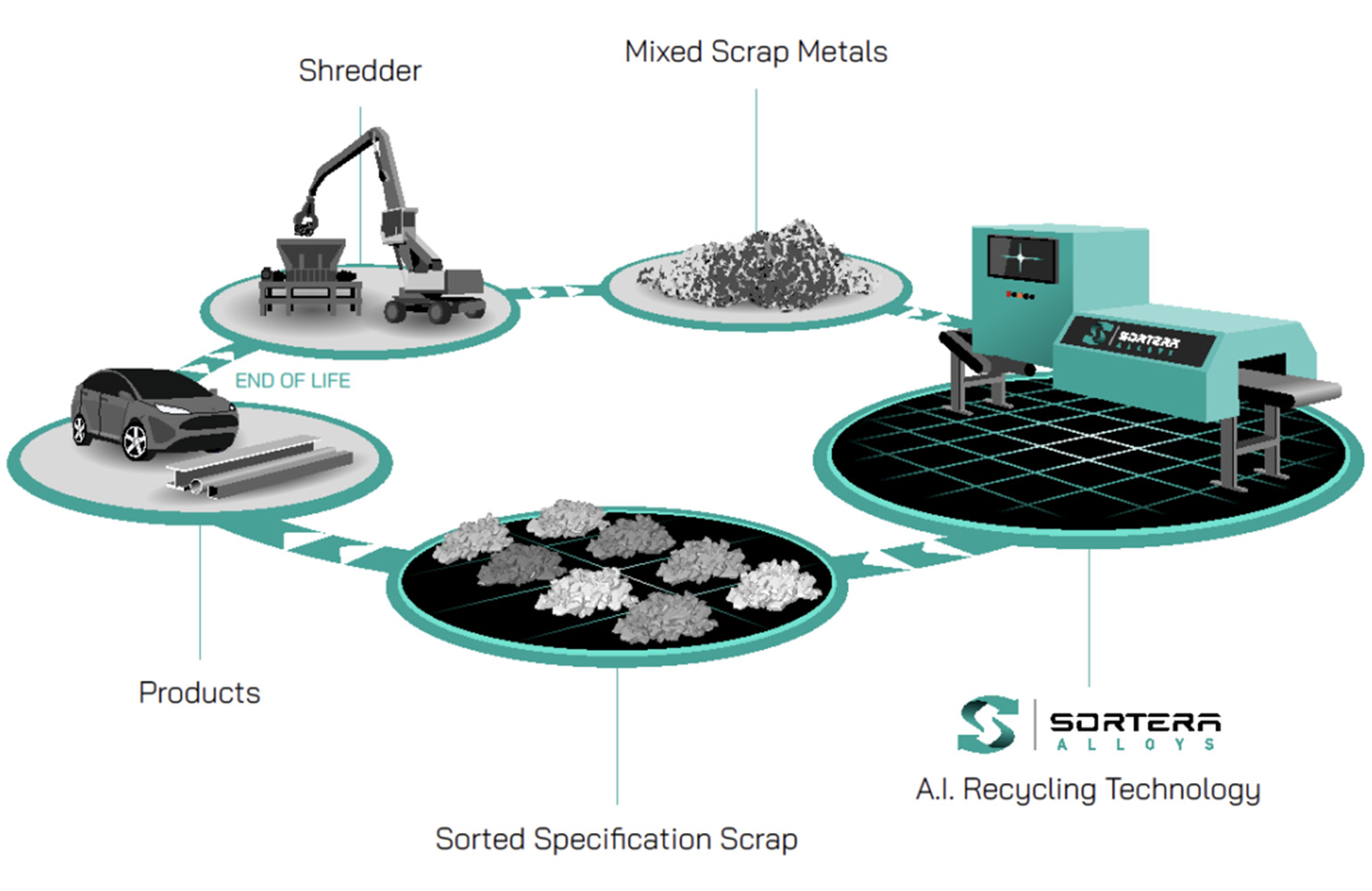
Sortera uses physical AI to double capacity in a Tennessee sorting facility
THE SO WHAT
Doubling annual processing to 240M lbs with “physical AI” is the real story — vision + robotics is now a throughput lever, not a science project. If your plant’s constraint is manual sorting or inspection, you’re leaving literal tonnage on the table by not running pilots this year.
READ THE SOURCE
MORE FROM THE WIRE
 Robotics & Autonomy
TechCrunch Mobility: Robotaxi reality check
Robotaxis are exiting the hype phase and entering the entitlement phase — cities, insurers, and regulators now expect AVs to behave like infrastructure, not pilots. If your mobility strategy still assumes cheap, ubiquitous robotaxi coverage in the next 2–3 years, you’re overestimating supply and underestimating permitting friction.
.jpg) Robotics & Autonomy
Robotics & AutonomyThese Robots Are Making Meals for a Nonprofit in San Francisco’s Tenderloin
Robots filling volunteer gaps in the Tenderloin is the real automation story — backfilling labor where the market and the state have both failed. If you’re building food or service robots, stop chasing QSR logos for a quarter and pilot in under-resourced environments where reliability, not brand, is the constraint.
 Robotics & Autonomy
The future of physical AI isn’t humanoid; it’s task-specific and cost-efficient
Physical AI is converging on appliances, not androids — specialized, local models on cheap silicon doing one job at scale. If you’re budgeting for humanoids on your line, pressure-test the use case against task-specific machines that can be deployed faster, with clearer ROI and lower safety overhead.
 Robotics & Autonomy
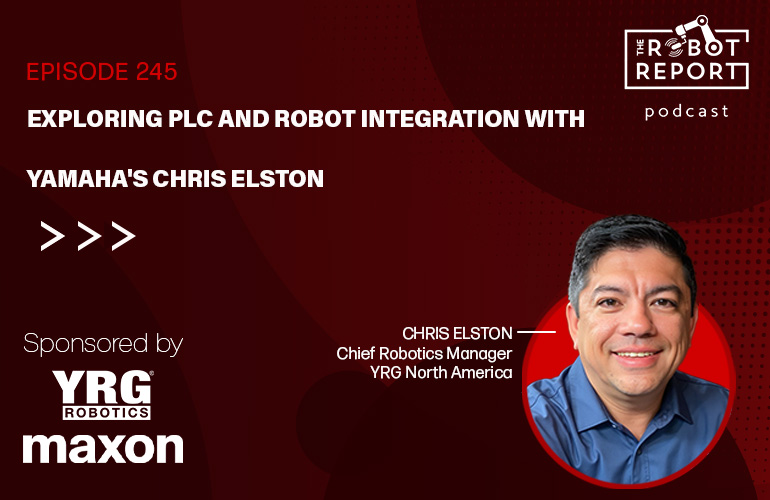
Exploring PLC and robot integration with YRG Robotics Chris Elston
The center of gravity in factory automation is shifting from bespoke PLC logic to integrated robot–PLC stacks that speak the same language. If your line still treats robots as bolt-on islands, you're leaving coordination, uptime, and future AI upgrades on the table.