
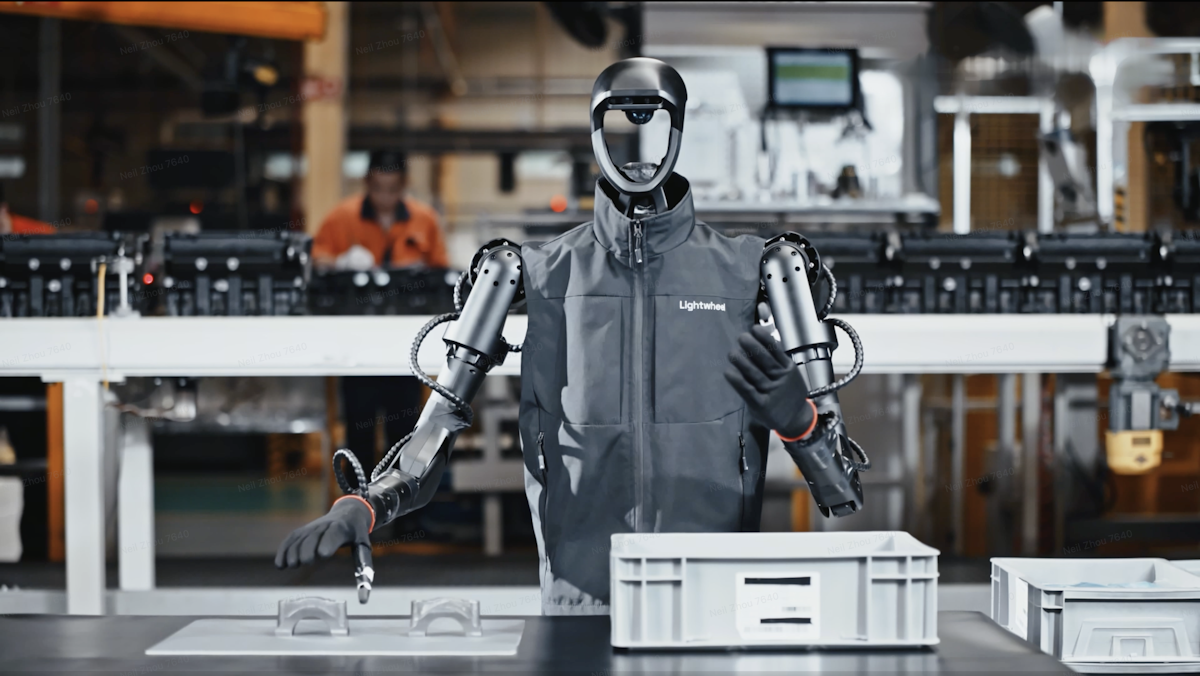
5 Physical AI Infrastructure Platforms Shaping Robotics in 2026
THE SO WHAT
The emergence of distinct 'physical AI' platforms — spanning sim, data ops, validation, and continuous learning — shows robotics is consolidating around a few control points, much like cloud did for software. If you're deploying robots, your leverage will come from picking ecosystems where you can swap hardware and models without redoing the entire stack.
READ THE SOURCE
MORE FROM THE WIRE
 Robotics & Autonomy
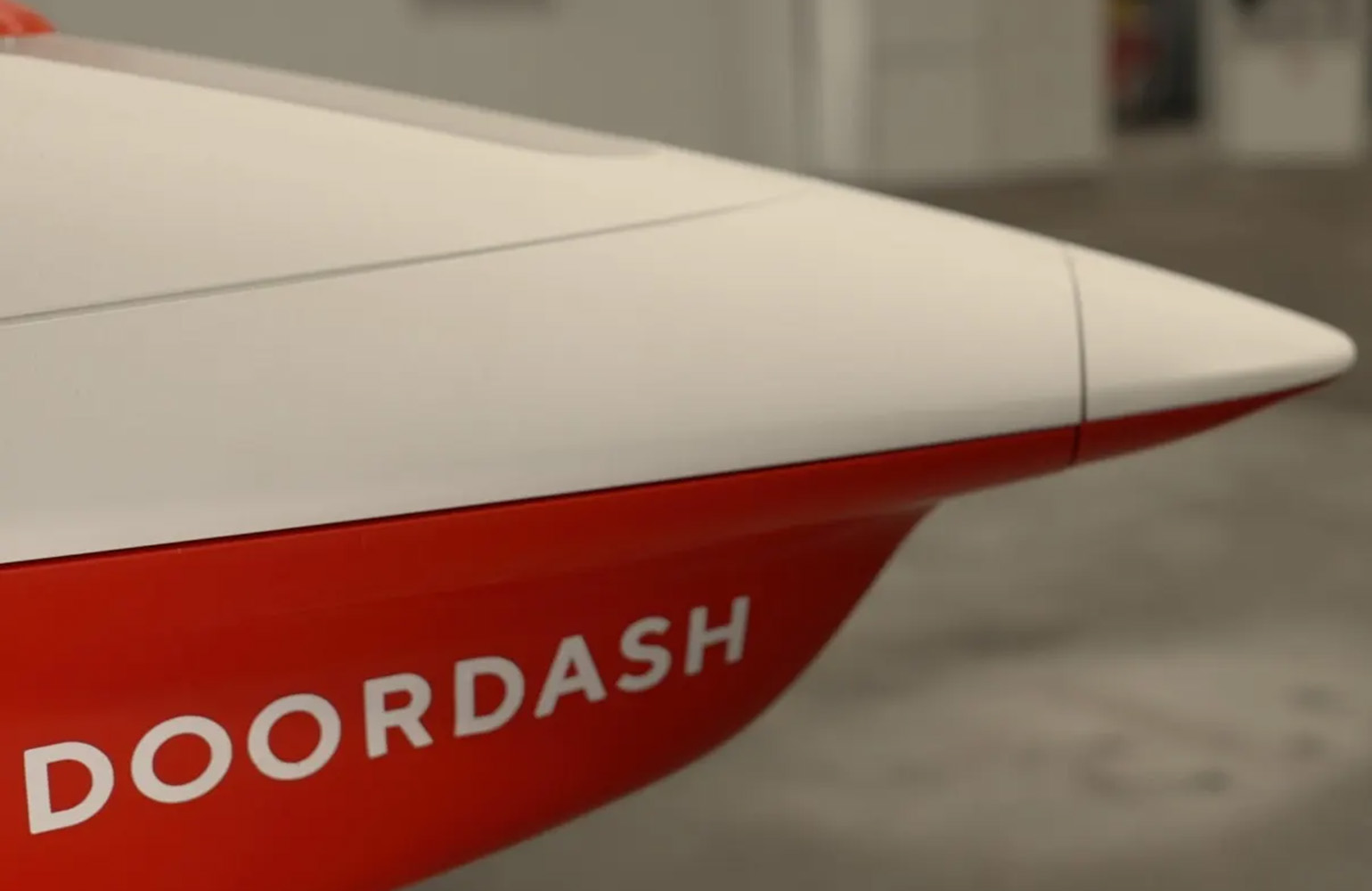
DoorDash gains FAA certification to operate its own drone delivery program
FAA certification for DoorDash’s in-house drone program moves last-mile autonomy from pilot partnerships to owned logistics infrastructure. If you run physical delivery, start mapping which routes justify aerial automation economics—and where regulatory approvals could become a moat.
 Robotics & Autonomy
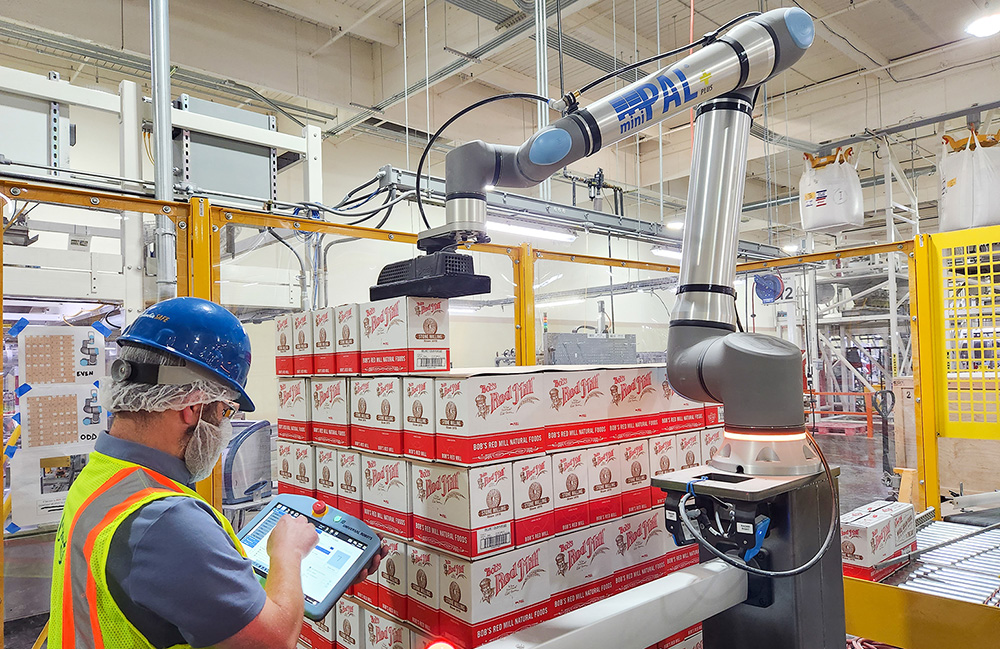
Teradyne Robotics revenue rises 33% year over year in Q2
A 33% YoY jump at Teradyne Robotics—driven by U.S. demand and AI—signals that automation budgets are actually being deployed, not just discussed. If you're in manufacturing or logistics and still treating robots as a pilot line item, assume your competitors are moving them into core operations.
 Robotics & Autonomy
Google DeepMind’s new AI model can control a robot’s entire body
Whole-body control in Gemini Robotics 2 moves humanoids from scripted demos toward general-purpose labor—one model reasoning from feet to fingertips. If you run high-mix physical operations, start mapping tasks where a single, centrally trained policy could replace fleets of single-purpose bots over the next few years.
 Robotics & Autonomy
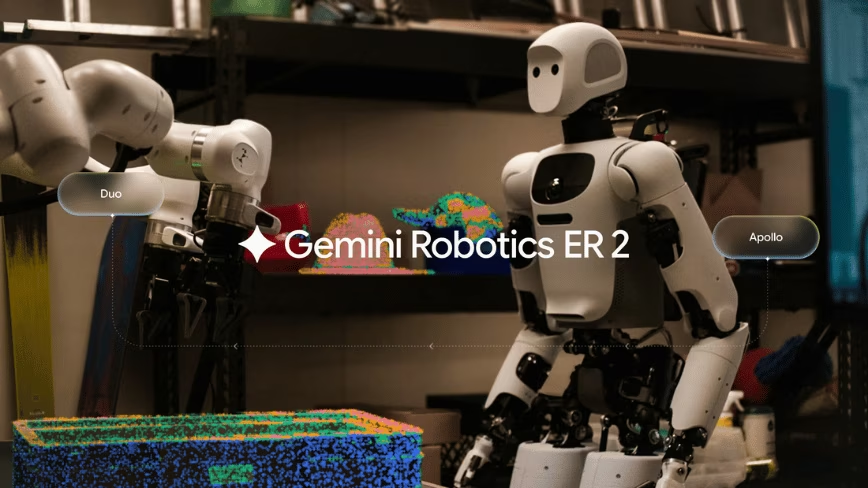
Google’s new AI can now walk a humanoid across the room and tidy up, feet to fingertips
A single Gemini Robotics 2 “brain” coordinating full-body humanoid control and multi-robot setups is a push toward centralized autonomy platforms rather than bespoke stacks per robot. If you run physical operations, this is an early signal to start mapping workflows where a general-purpose controller could swap in across different form factors over the next 3–5 years.