
A former Apple and Uber engineer raised $51 million to rethink the self-driving truck
THE SO WHAT
A $51M bet on cabless, electric self-driving trucks shows capital is rotating from robotaxis to freight-specific autonomy where the unit economics are clearer. Logistics operators should start mapping which lanes and depots could support cabless vehicles first—yard, port, and hub-to-hub routes will see pressure to automate earliest.
READ THE SOURCE
MORE FROM THE WIRE
 Robotics & Autonomy
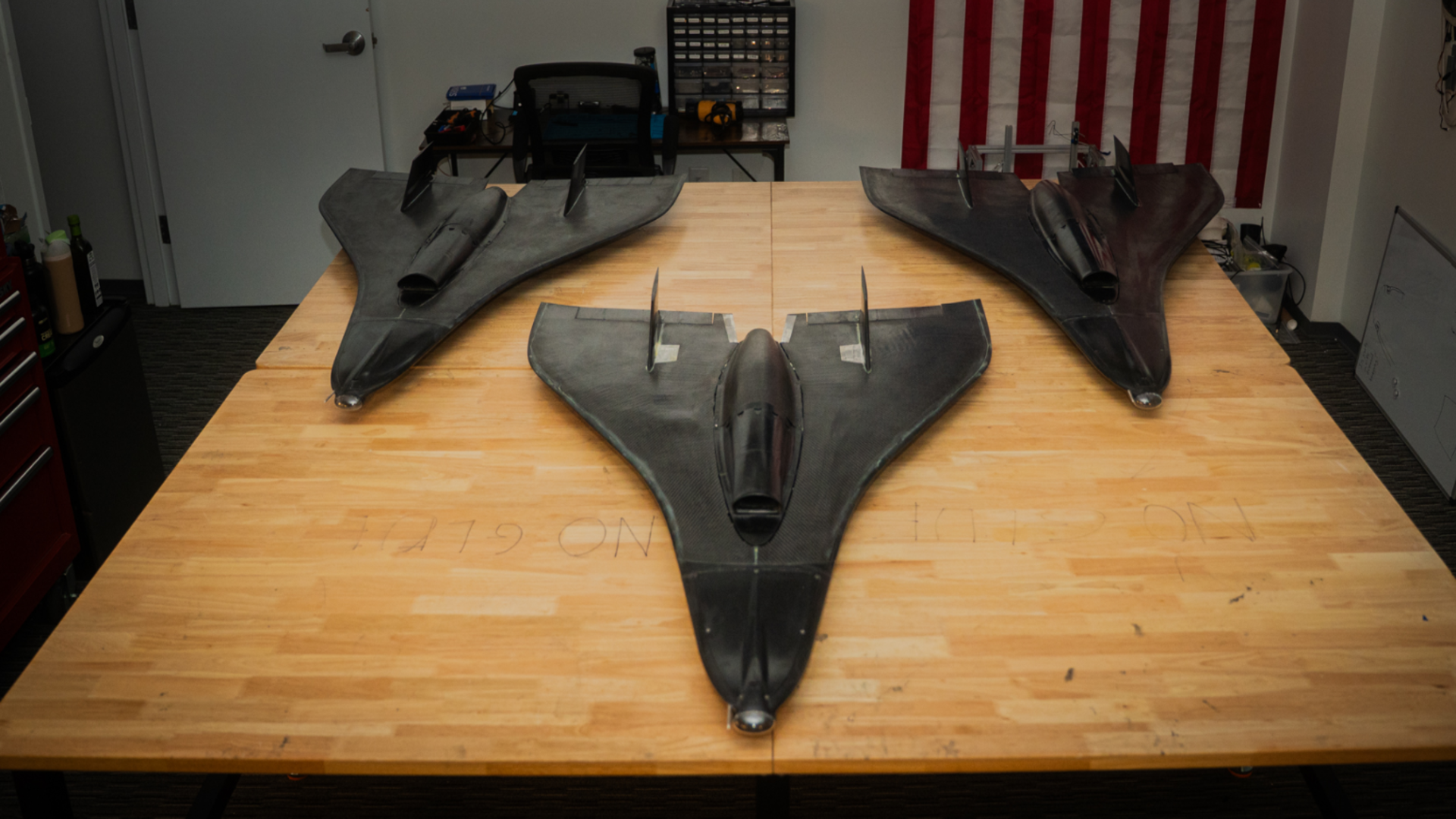
US college student builds 'Reaper' drone — which he says set a new world record speed of 491mph
A $13,000, 491 mph student-built drone with Pentagon interest shows how far the cost and talent barriers for high-performance UAVs have fallen. Defense and industrial buyers should expect a faster iteration cycle from small teams — procurement and partnership models that only fit primes will miss a lot of edge innovation.
 Robotics & Autonomy
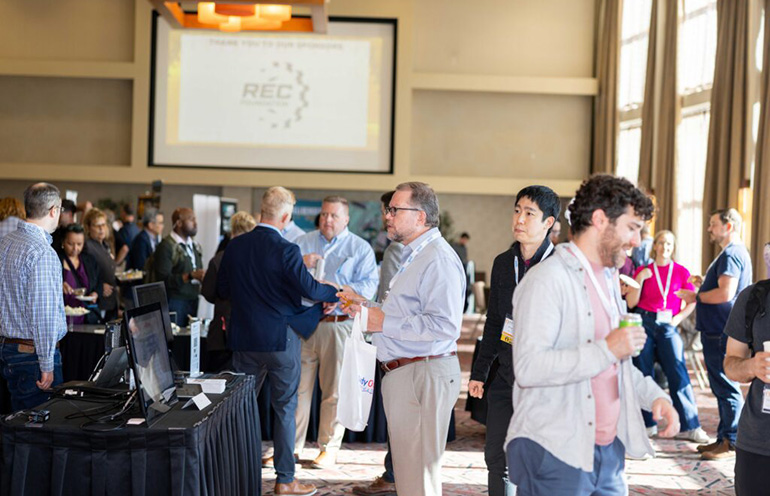
ARM Institute consortium grows to more than 500 organizations
Cross-industry robotics coordination at 500+ members means shared standards, training pipelines, and reference deployments are maturing — lowering the barrier for late adopters. If you have physical operations and aren’t plugged into a consortium like this, you’re likely missing both talent and vendor signal on where automation is actually working.
Peggy Johnson took humanoid robots to Wall Street. Now she has to make them profitable.
Humanoids are moving from demo risk to unit economics risk — the question is no longer “can it walk” but “can it bill.” If you’re in logistics, manufacturing, or facilities, now is the time to define the 2–3 repetitive tasks where a $x/hour humanoid could credibly replace temp labor within 24–36 months.
 Robotics & Autonomy
World Models Will Soon Be Inescapable. Here’s What You Need to Know
World models are the bridge between LLM reasoning and physical reliability — they turn text agents into systems that can plan in 3D space. Any roadmap that touches robots, AVs, or digital twins should assume a shift from static rules to learned simulators over the next product cycle.