
A jury finds Meta liable for misleading New Mexico residents about third-party data sharing, content moderation, and more in the Cambridge Analytica scandal
THE SO WHAT
A state-level jury finding Meta liable over Cambridge Analytica keeps historical data practices legally and reputationally live just as everyone is racing to train and deploy AI on user data. If you’re building data-intensive products, assume discovery will reach back a decade and design consent, logging, and explainability like they’ll be litigated in front of a jury.
READ THE SOURCE
MORE FROM THE WIRE
 Tech & Innovation
Infrastructure complexity is reshaping how smaller technology firms operate
Stack sprawl is turning into an existential tax on small tech firms—every new AI or infra dependency drags in security, compliance, and reliability work they can’t amortize. If you’re sub-200 people, you need a ruthless “fewer primitives, deeper bets” architecture strategy, or infra complexity will quietly cap your shipping velocity and margins.
 Tech & Innovation
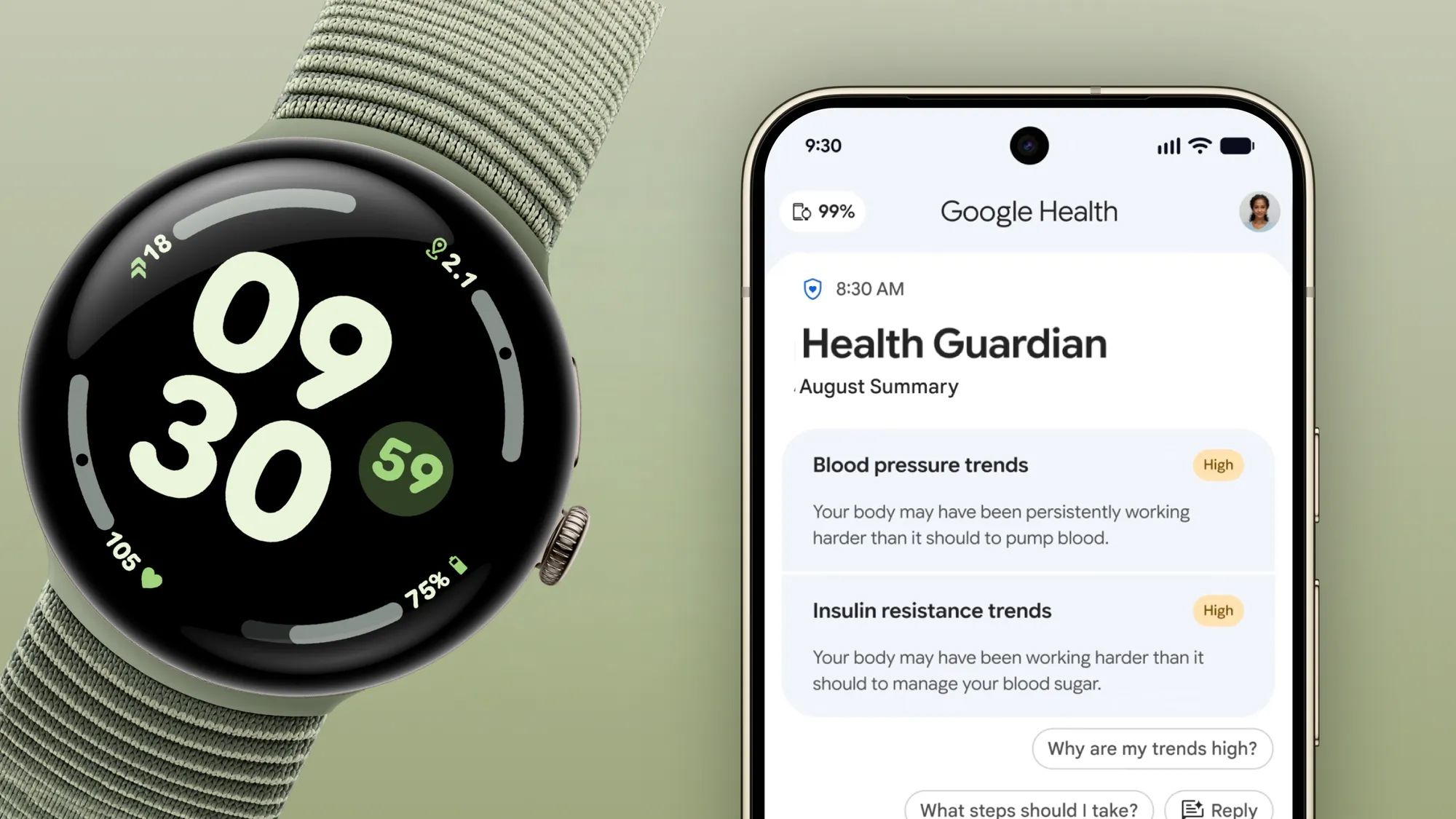
The Pixel Watch 3, 4, and 5 are now getting a free upgrade
Blood pressure trends, insulin resistance trends, and sleep breathing metrics landing as a free Pixel Watch update push more clinical-adjacent data into consumer wearables. Healthcare and wellness operators should assume patients will show up with these streams in hand—decide now whether you’ll ignore, ingest, or integrate them into workflows.
 Tech & Innovation
VR Headsets Are So Cooked
Anecdotal, but the contrast between lightweight glasses and bulky headsets is hardening into a consumer expectation line—comfort and social acceptability now gate adoption more than raw immersion. If you’re shipping VR-only experiences, pressure-test a roadmap that assumes mixed reality glasses or phone-based AR become the default entry point.
 Tech & Innovation
Trump tries to rebrand AI. Is it really that super?
When a sitting president starts branding AI as “super intelligence,” AI policy moves deeper into symbolic politics and away from technical nuance. For operators, that means more headline-driven swings in regulation and public sentiment—track the rhetoric, not just the rulemaking, when assessing policy risk.