
A look at Beijing-based Neolix, which operates the world's largest robovan fleet at 27K, as Shenzhen tests nighttime parcel deliveries by driverless vehicles
THE SO WHAT
A 27,000-vehicle robovan fleet and Shenzhen’s nighttime delivery pilots show autonomy scaling first where labor is expensive, streets are predictable, and customers tolerate low-touch service. Logistics and retail operators should be mapping which of their routes look most like “after-dark Shenzhen” — that’s where pressure to adopt will land first.
READ THE SOURCE
MORE FROM THE WIRE
 Robotics & Autonomy
Worx's Landroid Vision Cloud WR306E is well worth a punt for efficient lawn care on a relative budget
Consumer robots that can tolerate “some set-up shenanigans” but then run reliably are a preview of near-term expectations for home and light-facility autonomy. If you sell into SMB or prosumer segments, assume customers will accept rough edges at install in exchange for low-opex automation.
 Robotics & Autonomy
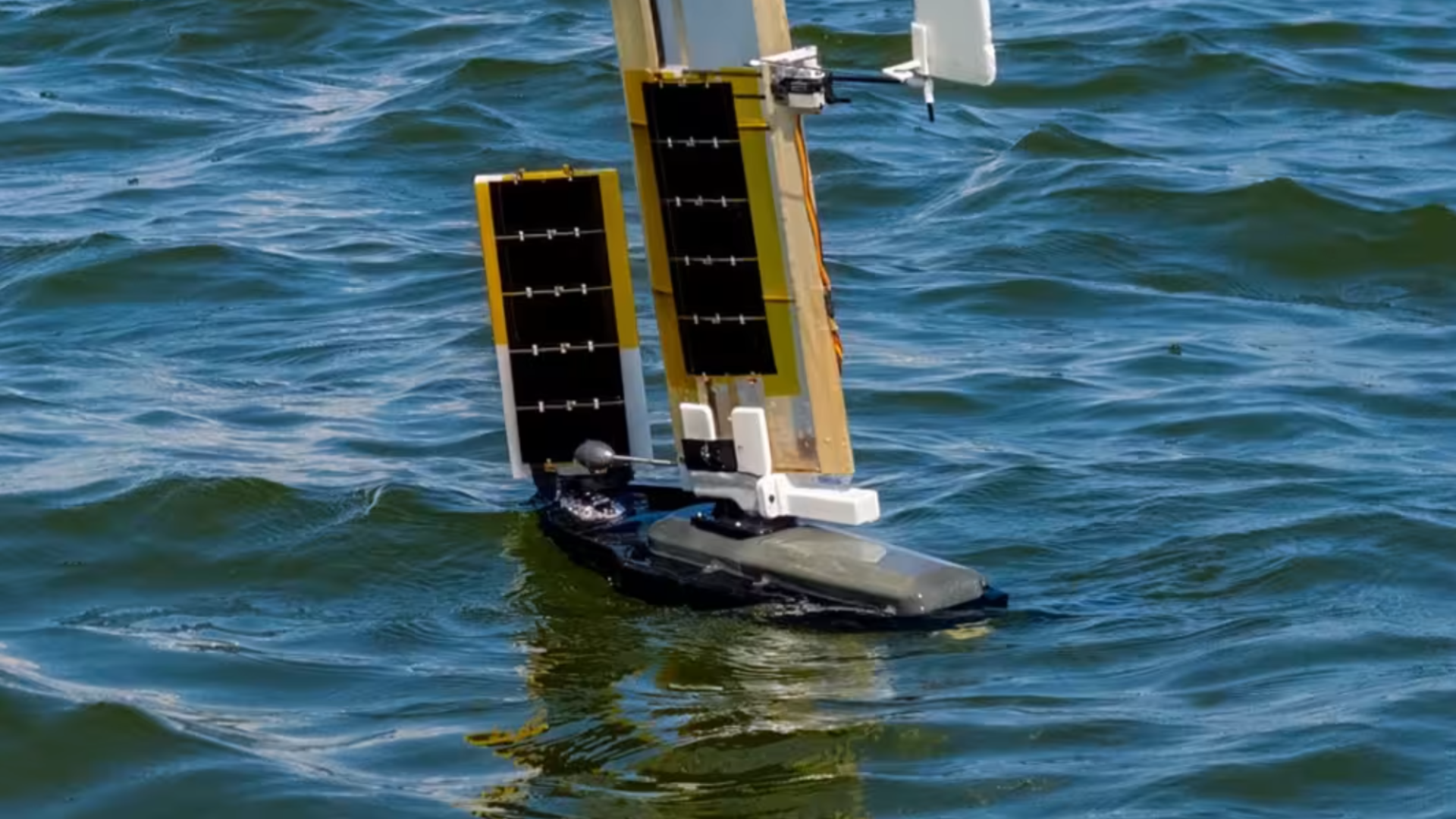
Researchers build sailboat drone prototype that can 'fly' — we think it's more like falling with style
Air-droppable, autorotating sail drones like ALBATROSS compress deployment time for maritime sensing and patrol — you trade propulsion complexity for cheap, wide-area coverage. If your operations touch offshore logistics, fisheries, or coastal security, assume persistent low-cost surface sensors are coming into your data environment.
 Robotics & Autonomy
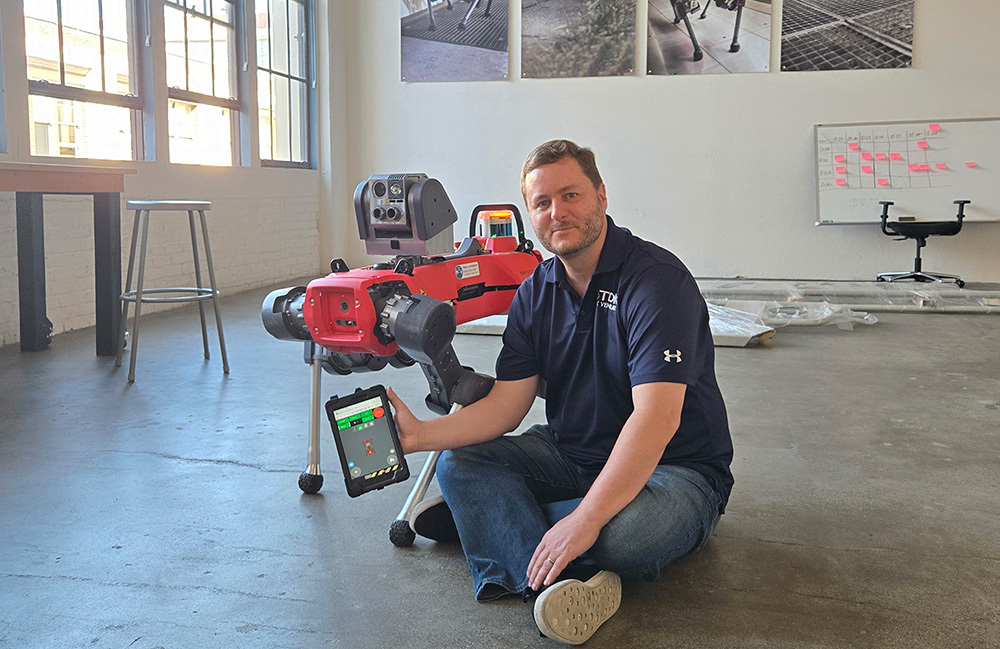
Why dexterity is physical AI’s real bottleneck
The constraint in physical AI is shifting from perception to reliable manipulation — turning flashy demos into 24/7 work. If you're scoping robotics into operations, design pilots around repeatable, narrow tasks and budget for a long tail of edge-case handling rather than betting on general-purpose dexterity.
Robotics & AutonomyA look at Walmart's troubled push to automate its ~200 US warehouses, as it and partners like Symbotic face technical setbacks; Walmart owns 12.6% of Symbotic
Walmart’s warehouse robots struggling with cardboard and turkeys is a reminder that edge cases, not demos, set the real automation timeline. If your board is penciling in full-facility automation, re-baseline on phased deployments and hybrid human–robot workflows over the next 3–7 years, not 18 months.