
A malicious Chrome extension for Adobe Acrobat could let hackers access private WhatsApp chats
THE SO WHAT
A cross‑site scripting‑class flaw in a popular Acrobat Chrome extension that exposes WhatsApp chats shows how browser add‑ons have become a blind spot in data protection. Security teams should treat extensions as third‑party SaaS: inventory them, lock down installs, and monitor for data exfil paths.
READ THE SOURCE
MORE FROM THE WIRE
 Deep & Emerging Tech
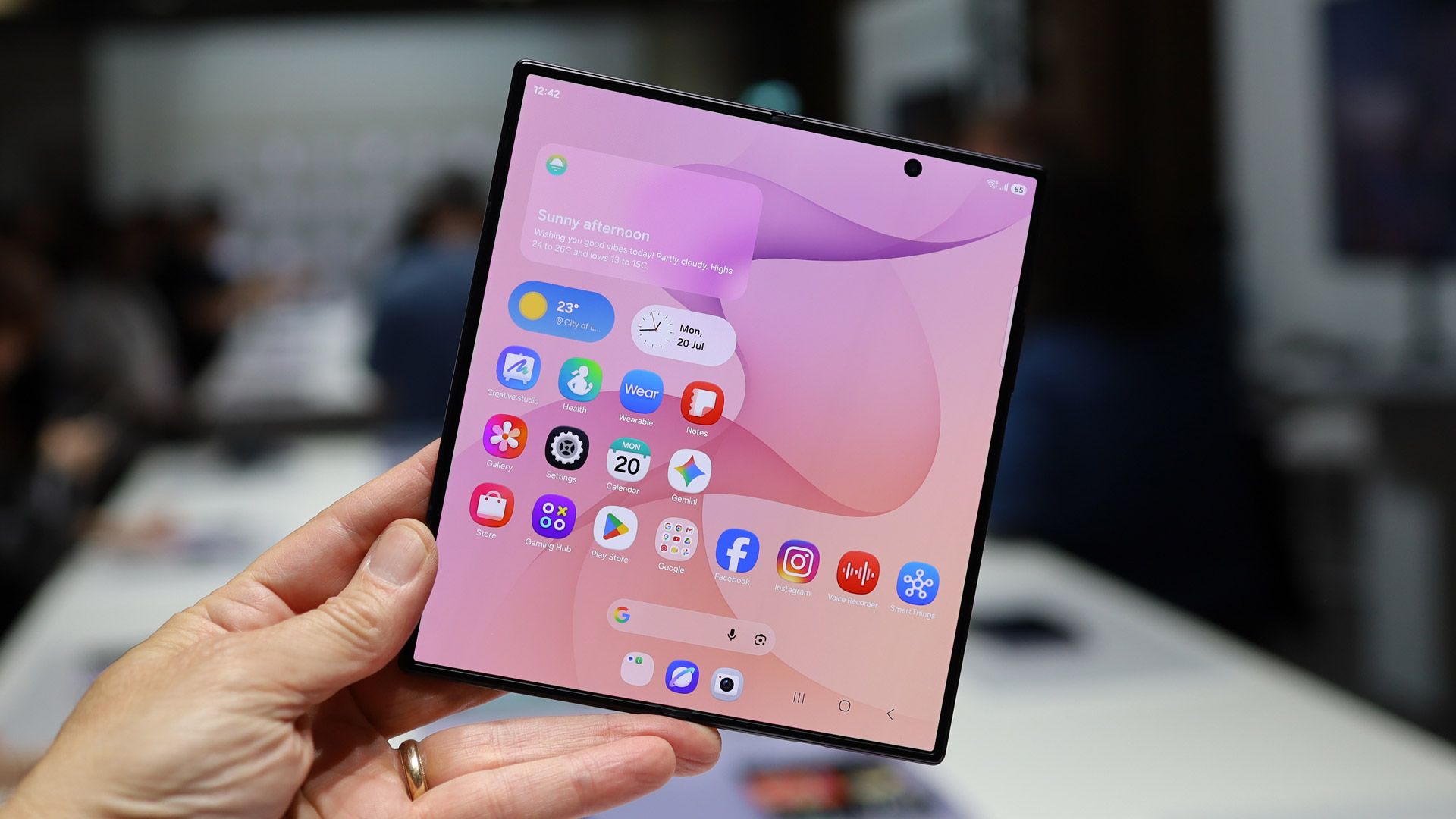
'We carefully verified the silicon-carbon battery so that our users can trust it and use it with competence': Samsung execs on how it tuned the latest battery technology — and why that matters
Silicon‑carbon in mainstream Galaxy Z 8 devices is a signal that next‑gen chemistries are moving from lab to volume production, not just EVs. Hardware teams should revisit thermal envelopes and duty cycles you assumed were fixed by lithium‑ion constraints.
 Deep & Emerging Tech
D-Wave Quantum to Report Second Quarter 2026 Financial Results on August 6
D‑Wave flagging its Q2 earnings date is mainly a reminder that public quantum players are now judged on revenue and runway, not just physics milestones. If you’re experimenting with quantum, vendor financial health belongs in your risk register alongside qubit counts.
 Deep & Emerging Tech
Qedma Integrates Quantum Error Mitigation Software with Quantinuum Platform
Qedma’s error‑mitigation layer integrating with Quantinuum’s hardware is another step toward a modular quantum stack where software compensates for noisy qubits. Early adopters should track these middleware options closely—they may determine when “useful” quantum workloads become viable for you.
 Deep & Emerging Tech
Sleep Patch Could Track Brain’s Nightly Cleansing Ritual
Continuous, noninvasive tracking of the glymphatic system turns “sleep quality” from a vague wellness metric into a measurable physiological variable. If this tech matures, expect new clinical endpoints, insurance codes, and consumer devices built around brain-waste clearance, not just hours slept.