
A Ukrainian war robot used AI to complete a 12-mile supply run almost entirely on its own. The unit says it's a combat first.
THE SO WHAT
Battlefield robots completing 93% of a 12‑mile mission autonomously is a proof point that high-stakes, GPS-denied autonomy is moving from demo to deployment. Defense, logistics, and mining operators should assume similar autonomy stacks will be commercially viable and start mapping which resupply and inspection routes can be handed off first.
READ THE SOURCE
MORE FROM THE WIRE
 Robotics & Autonomy
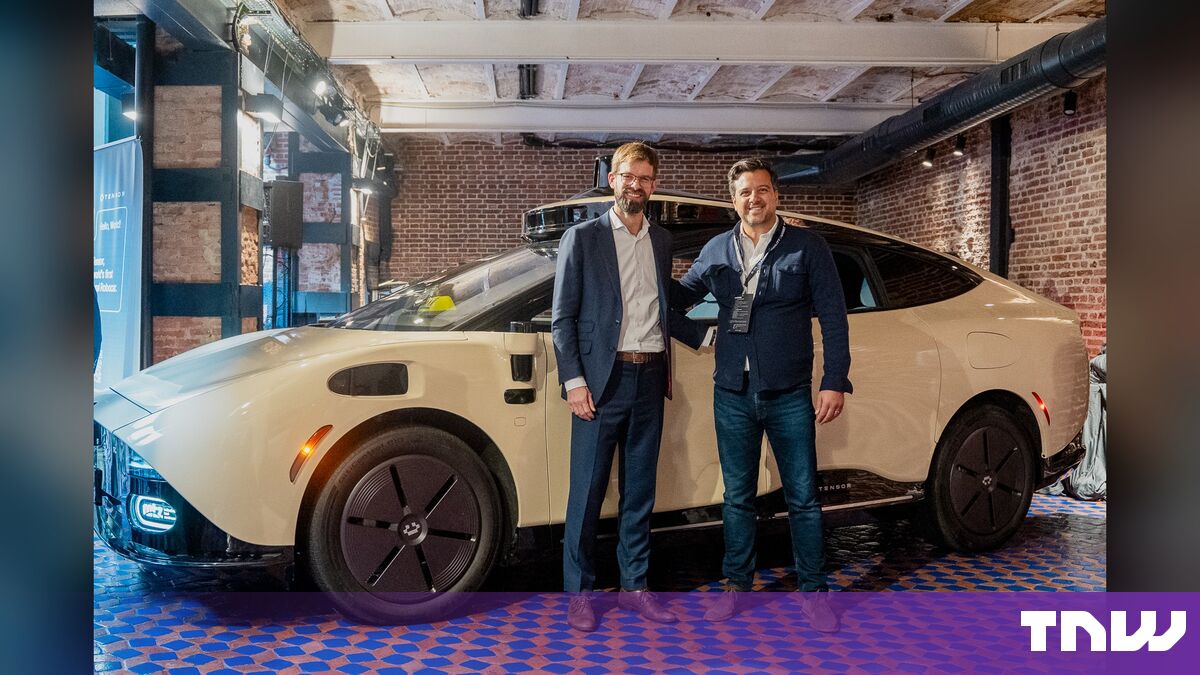
Munich’s biggest taxi firm plans up to 500 Tensor robotaxis in Germany
A major taxi operator planning up to 500 robotaxis in German cities means autonomy is moving from pilots to fleet strategy in tightly regulated markets. Urban mobility operators should be modeling mixed human/AV fleets now—pricing, dispatch, and maintenance will not look like today’s taxi economics.
 Robotics & Autonomy
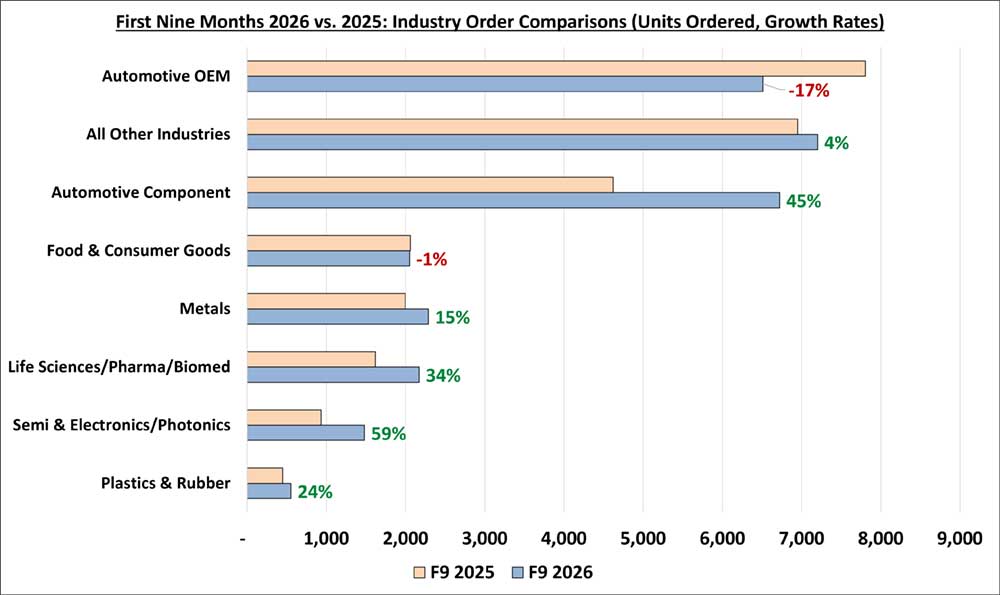
North American robot orders climb 24.8% in Q3 of 2026, says A3
A 24.8% jump in robot orders—driven by nearly doubled demand from auto component makers—signals that capex is shifting from talk to deployment. If you operate in adjacent sectors, expect lead times and integrator attention to tighten over the next 6–12 months.
 Robotics & Autonomy
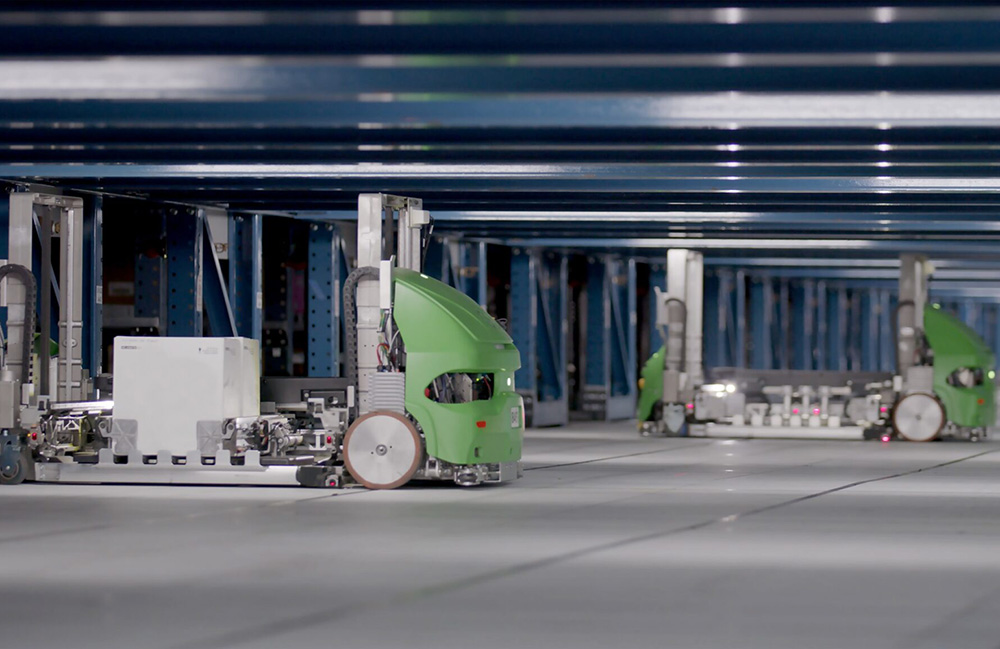
What Symbotic’s Walmart growth teaches robotics startups about anchor customers
Symbotic’s Walmart arc is the canonical anchor-customer trade: one giant buyer can fund your scale and trap your optionality. Robotics founders should model customer concentration, MFN clauses, and roadmap lock-in before signing the deal that “makes” the company.
 Robotics & Autonomy
Waymo for Business now sends robotaxi receipts straight to Ramp
Waymo piping robotaxi receipts directly into Ramp is a small integration with a clear message—AV rides are being normalized as just another line item in corporate T&E. If you manage travel policy in a supported city, you can now treat autonomous rides as a controllable category, with the same spend visibility as traditional ground transport.