
AI Boom Has Years to Run Before Risks Bite, Chiavarone Says
THE SO WHAT
If major allocators see multiple years of AI infra buildout before a real bubble risk, capital for GPUs, power, and data centers is likely to stay loose. For operators, that’s a window to lock in long-term capacity and partnerships—assume pricing power shifts toward scarce inputs like power and land, not just chips.
READ THE SOURCE
MORE FROM THE WIRE
 Applied AI
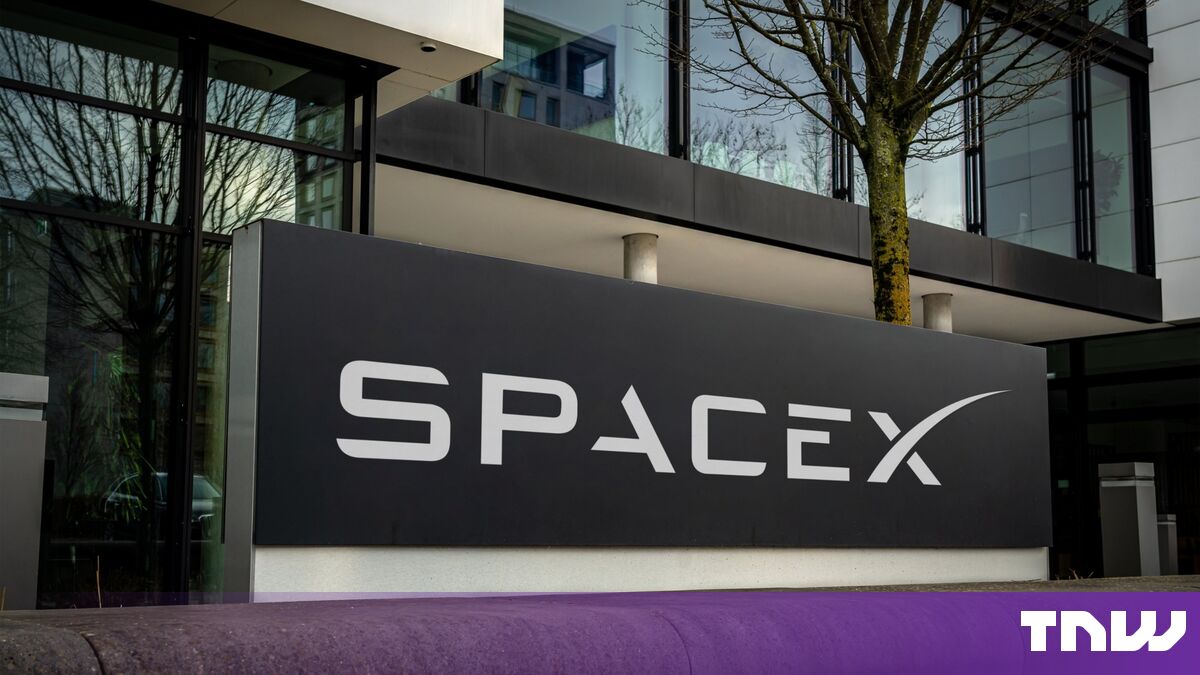
SpaceX revenue rises 161% to $14.6B as AI business overtakes Starlink
When a launch company books more revenue from AI than from Starlink, space infrastructure is becoming an AI infra business by proxy—compute and data are now as core as rockets. If you depend on GPU access, assume nontraditional providers with their own power and real estate will be credible alternatives to hyperscalers within a few years.
 Applied AI
When technology becomes part of the talent infrastructure
If AI-ready PCs and device strategy are now framed as “talent infrastructure,” IT spend is quietly becoming a retention lever, not just a cost center. HR, IT, and line leaders should be co-owning device standards and AI access, because it will show up in both engagement scores and output.
 Applied AI
Demis Hassabis says he expects AGI within two to three years, down from his three-to-five-year prediction earlier in 2026, and discusses AI's science potential
When a leading lab compresses its AGI timeline from 3–5 years to 2–3, your planning horizon just got pulled forward whether you believe the forecast or not. Treat this as a scenario input: stress-test your IP, regulatory, and workforce assumptions against a world where frontier capability steps up meaningfully before 2030.
Applied AIShould you get a personal AI assistant?
Personal AI assistants are shifting from novelty to a real line item in individual productivity stacks. For orgs, the risk is shadow-AI—employees will adopt their own agents unless you provide sanctioned options with clear data boundaries.