
AI-controlled .50-cal gun turrets are becoming a reality of war
THE SO WHAT
AI-powered .50-cal turrets moving from experiment to “integral part of air defense” in Ukraine marks a hard turn toward automated lethal systems. Defense and dual-use builders now operate in a world where autonomy on weapons is not hypothetical, and export controls, ethics boards, and supply-chain scrutiny will follow.
READ THE SOURCE
MORE FROM THE WIRE
 Robotics & Autonomy
Waymo taps Toyota to supply robotaxis for Japan and the U.K.
Waymo leaning on Toyota’s bZ4X for Japan and UK tests shows AV scale-up is converging with mainstream OEM platforms, not bespoke pods. If you’re in mobility, plan for autonomy to arrive as a trim level on standard EVs rather than a separate fleet category.
 Robotics & Autonomy
29-Year-Old Female Founder Breaths Life Into Next Generation Home-Help Robots
Home-help humanoids moving from concept to product means the first real consumer market for general-purpose robots is likely to be domestic chores, not factories. If you’re in hardware or AI for manipulation and navigation, this is a cue to design for messy, unstructured home environments and consumer price points rather than industrial specs alone.
 Robotics & Autonomy
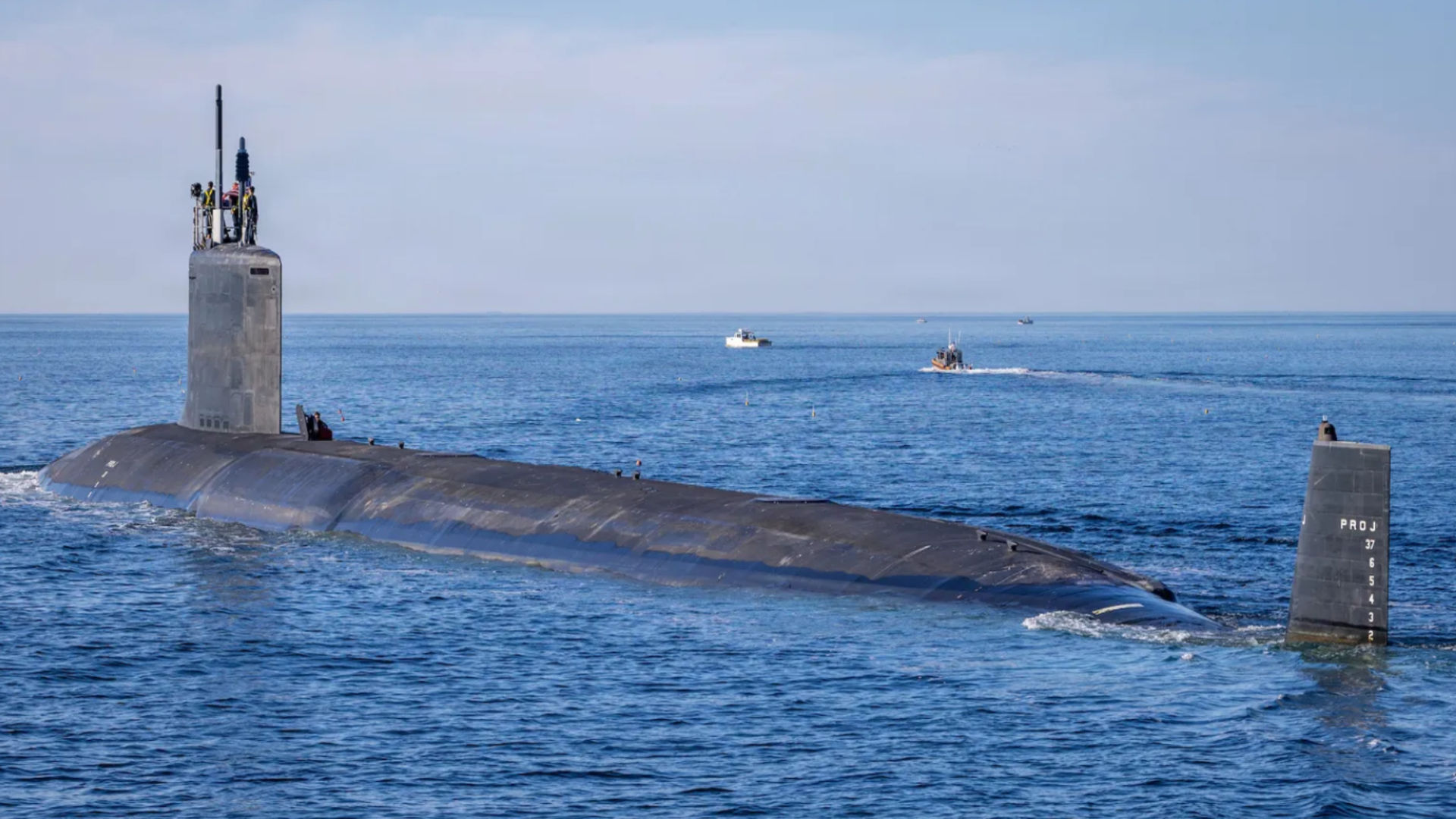
Saab unveils its monster underwater drone vehicle, created and built in less than a year
A large underwater drone going from concept to demonstrator in under a year shows how fast defense-adjacent autonomy is moving. If you build sensing, navigation, or mission software, underwater and subsea are becoming real markets, not just R&D showcases.
 Robotics & Autonomy
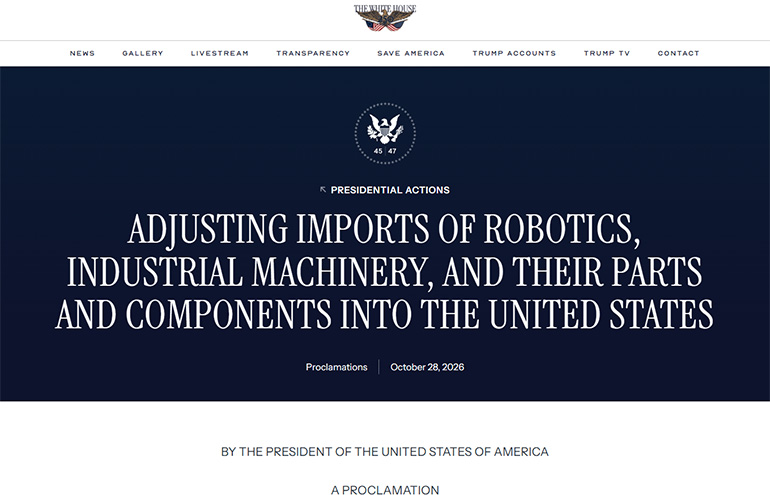
White House makes Section 232 determination regarding foreign-made robots
Labeling dependence on foreign-made robots a national security risk moves industrial automation into the same policy bucket as steel and chips. If you deploy or build robots in the US, expect incentives for domestic sourcing—and start mapping exposure to tariffs, content rules, and reshoring pressure.