
AI Debt Blowups Become Fodder for ETFs Aimed at Retail Investors
THE SO WHAT
When AI credit stress becomes an ETF theme for retail, the market is treating AI as a volatility product as much as a growth story. For operators, this means financing conditions can swing sharply on sentiment—lock in non-volatile capital where you can and avoid structures that assume smooth credit markets.
READ THE SOURCE
MORE FROM THE WIRE
 Tech & Innovation
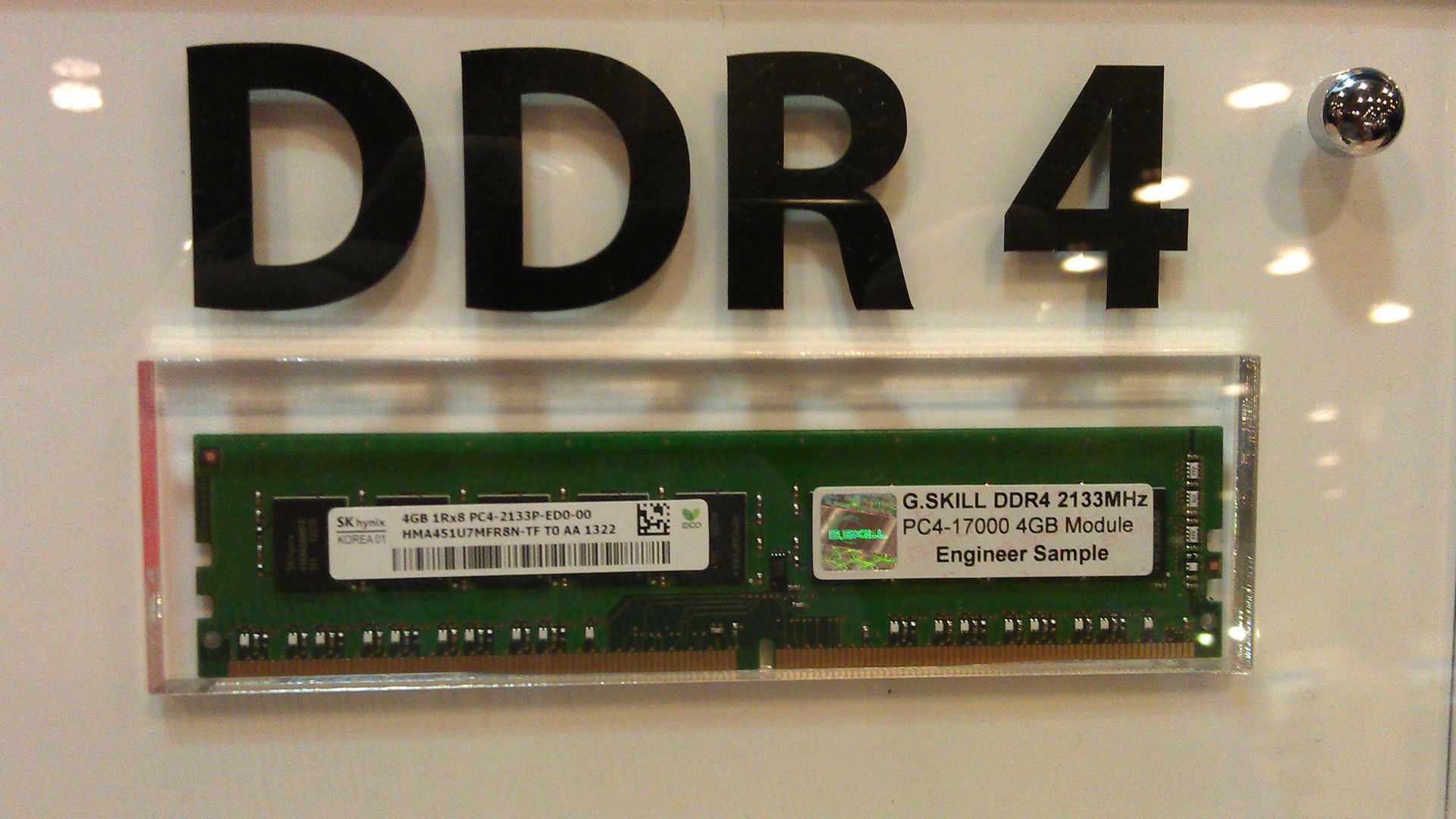
Is DDR4 back? 64GB RAM PCs see major fall, but new data suggests hope is on the horizon
Enterprises trying to standardize AI-capable desktops and workstations will be stuck in a DDR4/DDR5 limbo a bit longer—capacity targets are colliding with price-sensitive buyers. Treat memory configs as a cost-optimization lever in 2026 hardware refreshes, not a fixed spec.
 Tech & Innovation
This PDF converter and editor is $23.99 for life, no Acrobat subscription required
The existence of a $23.99 lifetime PDF editor is a reminder that generic document tooling is fully commoditized. If your product’s value prop rhymes with “we edit PDFs,” you need deeper workflow ownership or vertical features to defend margin.
 Tech & Innovation
La crisis de Nvidia expone su dependencia de Jensen Huang
Key-man risk is now explicit at the core of the AI hardware stack—boards and regulators are being forced to model a future where Nvidia’s valuation and roadmap decouple from a single operator. If you’re building on Nvidia, treat leadership concentration as a real supply-chain variable, not just a governance footnote.
Tech & InnovationRetirees should be big beneficiaries of the midterms: ‘Democrats will hold every gavel that matters for aging and public policy’
If Democrats control the key committees on aging, Social Security, Medicare, and long-term care, the policy window for healthcare and elder-tech reimbursement just widened. Operators in care delivery and retirement services should be refreshing their regulatory theses now—not after new funding formulas harden.