

AI-designed virus infects person for the first time
THE SO WHAT
An AI-designed virus reaching a human in a controlled trial collapses the distance between in silico design and in vivo impact — the same tools that accelerate therapeutics also compress the timeline for misuse. Bio, security, and policy teams should be assuming AI-native design in their threat models and governance, not treating it as a future scenario.
READ THE SOURCE
MORE FROM THE WIRE
 Deep & Emerging Tech
Xona Raises $250 Million to Remake 50-Year-Old GPS
A $250M round at a $2.45B valuation to rebuild GPS with a commercial satellite network shows navigation is being treated as strategic infrastructure, not a free public good. Any product that depends on precise, reliable positioning—AVs, drones, logistics—should be tracking alternative PNT providers as potential resilience and performance levers.
 Deep & Emerging Tech
AI chipmaker Cambricon’s sales miss points to tight chip supply in China
Cambricon doubling revenue to 3.53B yuan yet missing a 6.26B forecast underscores that China’s AI chip growth is now gated by HBM and advanced fab access, not demand. If you operate in or sell into China, plan for persistent supply volatility and consider architectures that can flex across multiple accelerator vendors.
The states with the fewest and most data centers, ranked
The AI boom is redrawing the US map around data center density — Texas and Virginia are becoming de facto AI industrial zones while other states barely register. If you run latency-sensitive services or large training workloads, your site selection, tax strategy, and talent plans need to be tied to where power, water, and permits are actually materializing.
 Deep & Emerging Tech
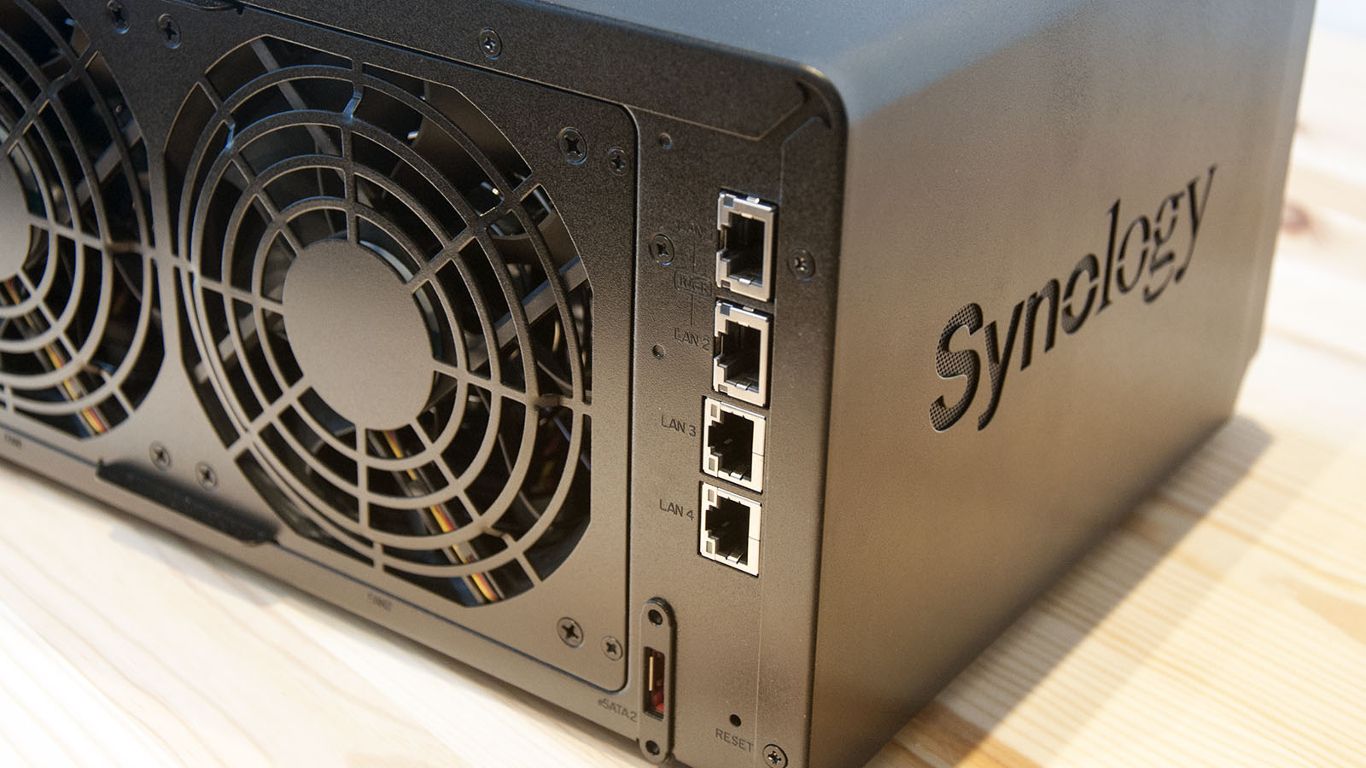
PHP security issues could also threaten your NAS device — but not every vendor is able to patch just yet
php2shell jumping from web apps to NAS boxes is another reminder that legacy scripting languages are now infrastructure risks, not just dev headaches. Inventory every PHP-adjacent surface—including storage appliances—and assume patch lag from vendors as part of your threat model.