
AI Frenzy Splits VC Into Winners and Have-Nots
THE SO WHAT
When VCs talk about an AI "have and have-not" split, it means capital is concentrating in a small set of AI narratives and relationships, not evenly across the stack. If you're building outside the current hype lanes, assume longer fundraise cycles and design your burn and milestones so you can survive without immediate access to those "winner" networks.
READ THE SOURCE
MORE FROM THE WIRE
 Startups & Venture
Klaviyo acquires Elias Torres’ Agency in full-circle reunion for tech founders
Klaviyo buying an agency and installing its founder as CPO to lead AI agents shows how seriously SaaS vendors are treating agent-native product leadership. If you sell into e-commerce, expect your marketing stack vendors to pitch “AI operators” as a core feature — and decide which workflows you’re comfortable handing to them.
 Startups & Venture
Jeff Dean and other top AI researchers are leaving Google to launch their own startup
Top research talent walking out to build an AI-for-science company is a bet that frontier models are about to become a core R&D tool, not just a productivity layer. If you run a lab-heavy org — pharma, materials, energy — assume your next wave of competition may be built around this thesis and start mapping where AI-native discovery could compress your timelines.
 Startups & Venture
Yann LeCun’s second attempt at a VC fund lands with $100M and Gemini’s co-lead as a partner
A $100M fund led by Yann LeCun and Oriol Vinyals concentrates both capital and deep technical judgment in early-stage AI. Founders pitching them should expect harder questions on scientific novelty and architecture — and incumbents should watch where this fund places its bets as an early map of the next research wave.
 Startups & Venture
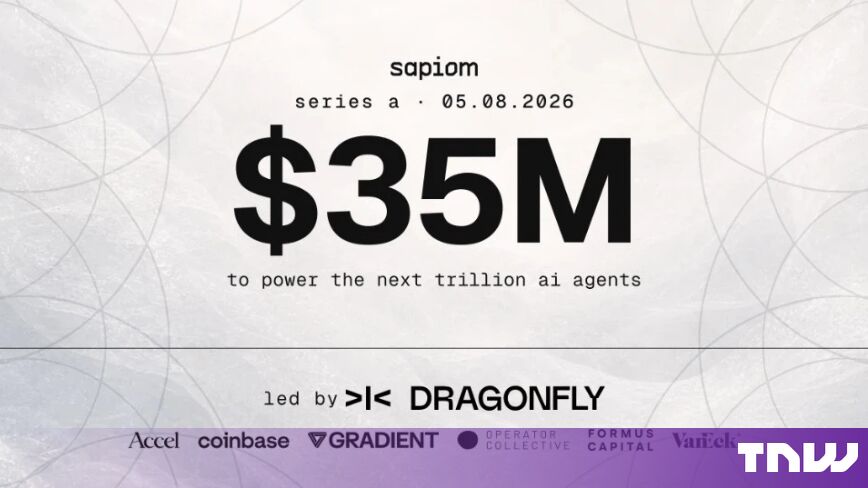
A startup that slashes AI agent bills just raised $35M. Anthropic is a backer.
Sapiom raising $35M less than a year after launch to sit between agents and models is a clear tell that cost routing and orchestration are becoming their own layer in the stack. If you're experimenting with agents, assume a future where you standardize on an intermediary for cost, latency, and policy — not direct calls to a single model API.