
Alphabet’s massive profit growth is just an illusion, as SpaceX and Anthropic help mask a historic cash drain
THE SO WHAT
When Alphabet’s earnings quadruple on paper but are driven by unrealized gains in SpaceX and Anthropic, you’re looking at a balance sheet masking heavy cash burn in AI and infra. Operators should ignore the headline EPS and focus on what this implies: continued pressure to monetize AI surfaces — ads, cloud, and assistants — to fund that historic cash outflow.
READ THE SOURCE
MORE FROM THE WIRE
 Tech & Innovation
A new dawn for digital rights? What Burnham’s 'do better' promise could mean for your privacy
If the UK reopens Starmer-era digital policing rules, expect a reset on surveillance, data retention, and encryption that will ripple through any product touching UK user data. Privacy, logging, and cross-border data transfer assumptions you made for the last government may not survive the next 12–24 months.
 Tech & Innovation
Valve’s Steam Hardware Isn’t Selling Too Hot. Does it Matter?
For Valve, weak hardware sell-through matters less than keeping Steam as the default distribution layer — hardware is a strategic lever, not the core P&L. For game studios, the takeaway is that PC remains an open, platform-owned ecosystem where storefront relationships matter more than device bets.
 Tech & Innovation
Alphabet’s Future Spending Commitments Soar to $811 Billion
Alphabet locking in $811B of future commitments — up nearly $500B in a quarter — is industrial-scale capex disguised as cloud and AI spend. If you’re a large buyer, this is your cue that hyperscaler pricing, capacity, and contract terms will increasingly be shaped by long-dated obligations they’ve already signed, not by your next RFP.
 Tech & Innovation
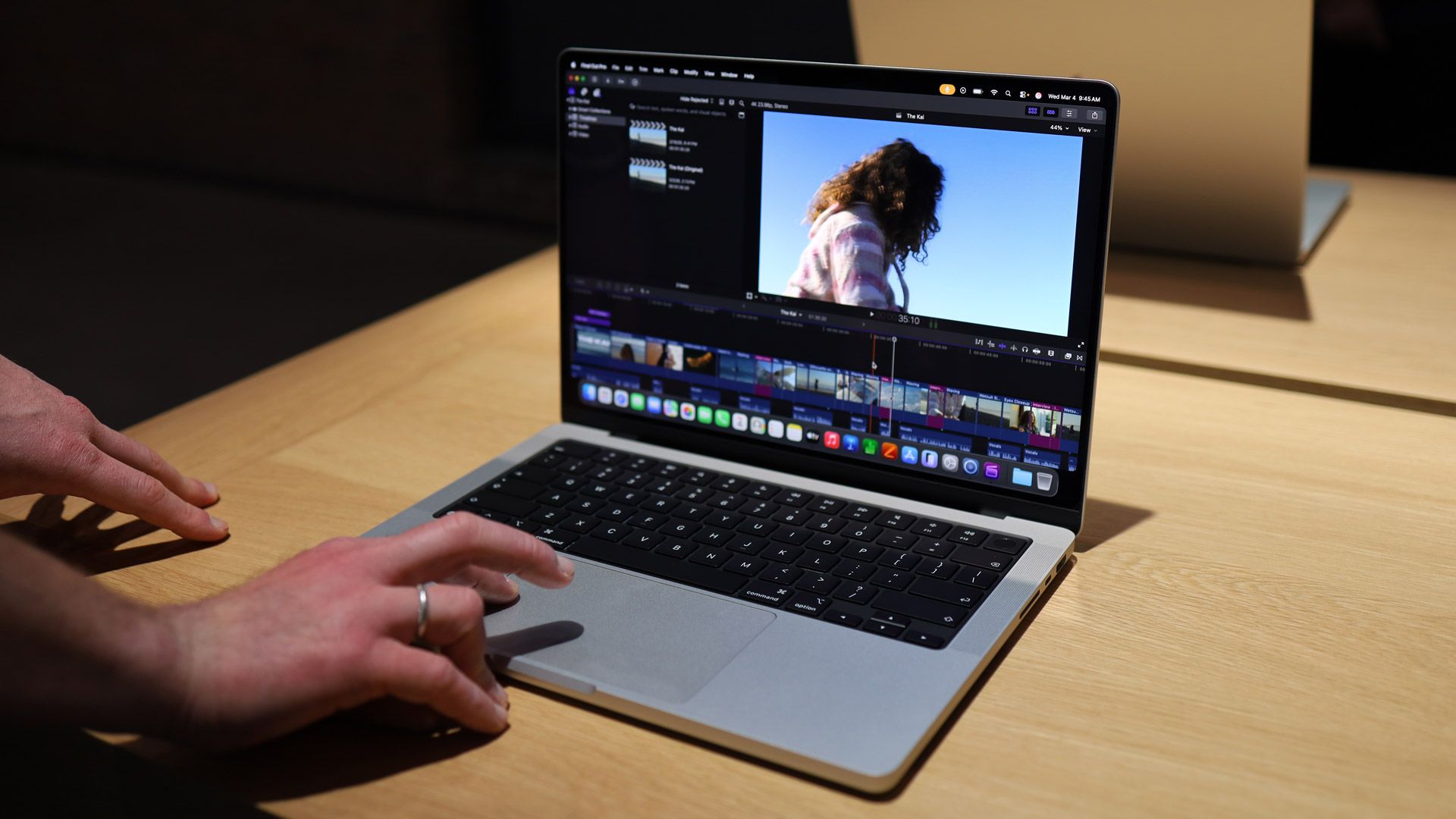
'Apple is entering 'the touchbar phase' again': MacBook OLED could be on track to launch in a few months, but skeptics still hate that rumored touchscreen
An OLED, possibly touch-enabled MacBook is Apple testing how far it can blur the Mac–iPad line without cannibalizing either. For app builders, the risk is UX fragmentation — you may need to revisit interaction models and input assumptions across Mac, iPad, and hybrid devices sooner than planned.