
Amazon, Meta AI Wearables Raise Privacy Concerns Over Always-Listening Devices
THE SO WHAT
Always-on AI wearables move the privacy conversation from “what you type” to “what you are near”—location, conversations, and bystanders become part of the data exhaust. Consumer brands and employers need a policy stance now on where these devices are allowed and what “consent” means in shared spaces.
READ THE SOURCE
MORE FROM THE WIRE
 Applied AI
Partnering with Blacksmith
If agents can write production-scale code, the new bottleneck is proving that code is safe, performant, and compliant at the same speed. Expect “agent-era CI/CD” vendors like Blacksmith to become a required layer in any serious agent deployment, not a nice-to-have devtool.
Applied AI‘The true barrier to entry is scale’: Inside the new frontier of European fintech’s AI arms race
If the moat in European fintech shifts from licenses and UX to proprietary transactional models trained on billions of events, sub-scale players get structurally priced out of AI-native risk and fraud. Early signal: if you don’t own or aggregate unique transaction exhaust, you’re a distribution layer for whoever does.
 Applied AI
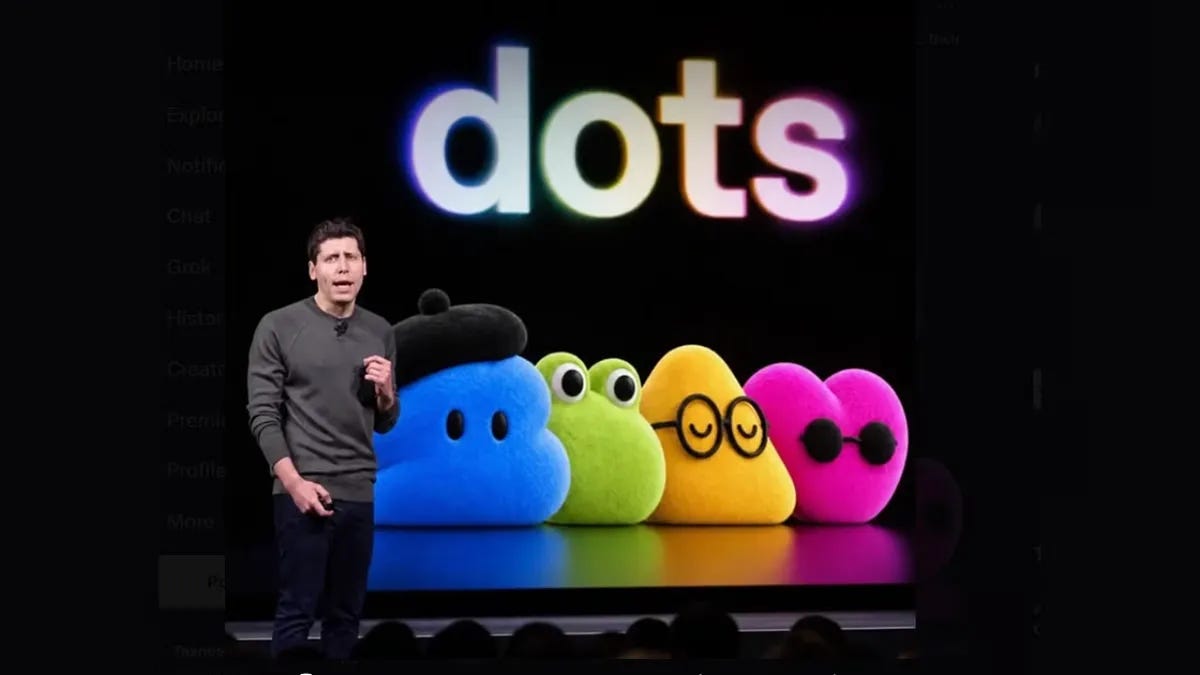
Full Guide to OpenAI dots
If “dots” make it trivial to wire OpenAI agents into Slack and other daily tools, the real shift is from bespoke copilots to lightweight, user-configured workflows. Teams should track where bottom-up dot usage emerges—it will reveal the highest-friction processes worth formalizing or automating centrally.
 Applied AI
Muse Spark Open, Meta + Apple, Thin and Thick
Meta’s new open model plus a partnership to run it locally on Apple hardware tightens the loop between open weights and on-device inference. For app builders, this expands the viable design space for privacy-preserving, low-latency AI features that don’t depend on cloud roundtrips or per-token costs.