

Amazon’s About You page goes viral for what it guesses about shoppers
THE SO WHAT
Amazon’s “About You” page going viral for calling out traits like “flat buttocks” is a live case study in how opaque inference systems collide with user perception. If you’re inferring sensitive attributes, assume screenshots will hit social — build explicit controls for what’s surfaced to users versus kept strictly for internal targeting.
READ THE SOURCE
MORE FROM THE WIRE
 Deep & Emerging Tech
Google signs billion-dollar deal to expand nuclear power capacity at multiple US plants
A 20-year, billion-dollar deal to uprate nuclear plants for 13 states makes clear that hyperscalers now treat zero-carbon baseload as core infra, not ESG marketing. If you rely on cloud or run large AI workloads, start tracking your vendors’ power mix and long-term PPAs as closely as you track GPU roadmaps.
 Deep & Emerging Tech
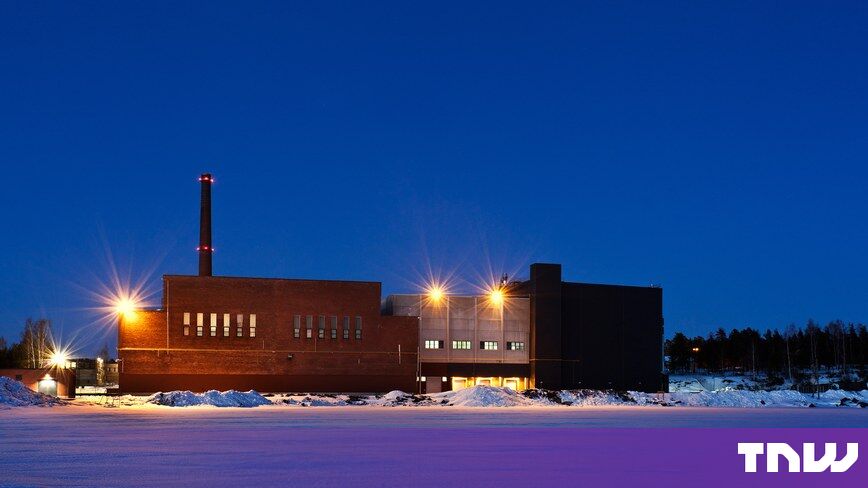
Finland orders Google to stop clearing forest at two data centre sites
Finland halting forest clearing at two Google data center sites shows that environmental permitting — not just power and chips — can bottleneck AI infra buildout. If you’re planning large-scale compute, map local land-use and regulatory risk as a first-class constraint, not an afterthought.
 Deep & Emerging Tech
VPN threat protection vs. dedicated antivirus: Are VPNs really enough?
The VPN-vs-antivirus debate is a reminder that bundled “threat protection” often leaves real gaps compared to dedicated endpoint security. Security leads should audit what their VPN actually inspects and controls — and not assume it replaces a proper EDR stack.
Deep & Emerging TechConstellation Brands Down on Earnings; Intel Up on Terafab | Stock Movers
Intel trading up on Terafab news — in the same breath as routine consumer earnings — is another data point that capital markets are re-rating semiconductor manufacturing as a core growth story. If you’re planning AI-heavy products, assume foundry and packaging capacity, not just GPU availability, will influence your cost and timing over the next 3–5 years.