
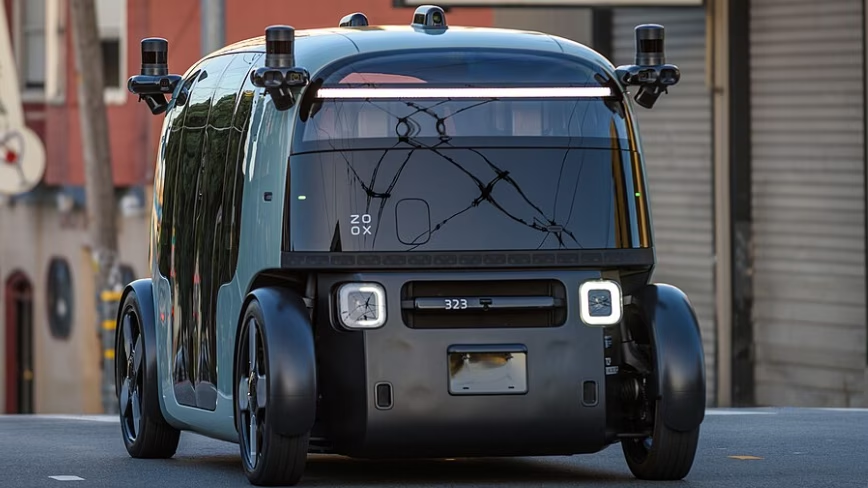
Amazon’s Zoox recalls 105 robotaxis after one drove into heavy smoke at an active fire scene
THE SO WHAT
A recall over a robotaxi driving into heavy smoke underscores how edge-case perception and emergency-scene behavior remain unresolved autonomy risks. If you operate in public spaces, treat first-responder coordination and rare-environment sensing as core product work, not post-launch patch material.
READ THE SOURCE
MORE FROM THE WIRE
 Robotics & Autonomy
Video Friday: Your Robot Surgeon Will See You Now
Surgical robotics is quietly normalizing robots as primary operators in high‑stakes environments, not just as assistive tools. If you run any precision workflow — from manufacturing to lab automation — patient outcomes are your preview for how much autonomy stakeholders will tolerate when the robot is in charge.
 Robotics & Autonomy
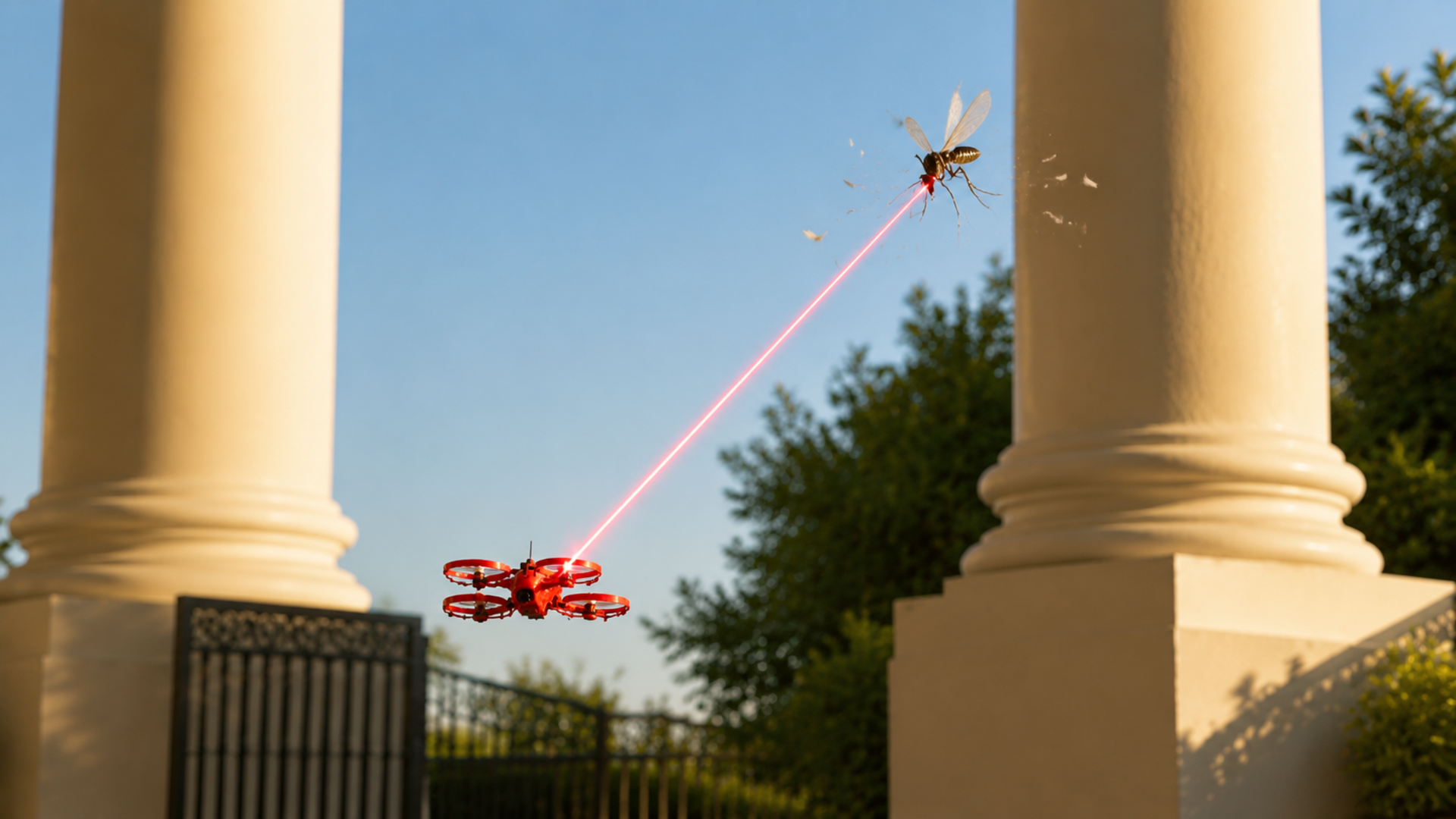
Ex-MBDA engineer builds $1,100, 40g AI micro-drone using AMD phased-array sonar for YC-backed startup Tornyol to eradicate mosquitoes, currently restricted to 3-minute flights
A $1,100, 40g AI micro‑drone with phased‑array sonar hunting mosquitoes is a glimpse of ultra‑cheap, specialized autonomy for environmental control — even if it only flies three minutes today. If you operate in ag, public health, or facilities, start mapping where swarms of disposable, task‑specific drones could replace manual or chemical interventions.
 Robotics & Autonomy
Zoox issues software recall after a robotaxi got confused by heavy smoke
A robotaxi misbehaving in heavy smoke — and triggering a software recall — highlights how edge-case sensing around first responders is now a regulatory focal point, not a theoretical concern. AV operators need explicit playbooks and test suites for disaster and emergency scenarios before regulators write them for you.
 Robotics & Autonomy
Shark PowerDetect UV Reveal review: A robot vacuum-mop that finds hidden messes
Consumer robots that use UV to detect hidden stains show how much perception is moving beyond simple bump-and-map. For anyone building service or industrial bots, the bar is rising — users will expect machines to find the mess they can’t see, not just follow a preplanned route.