
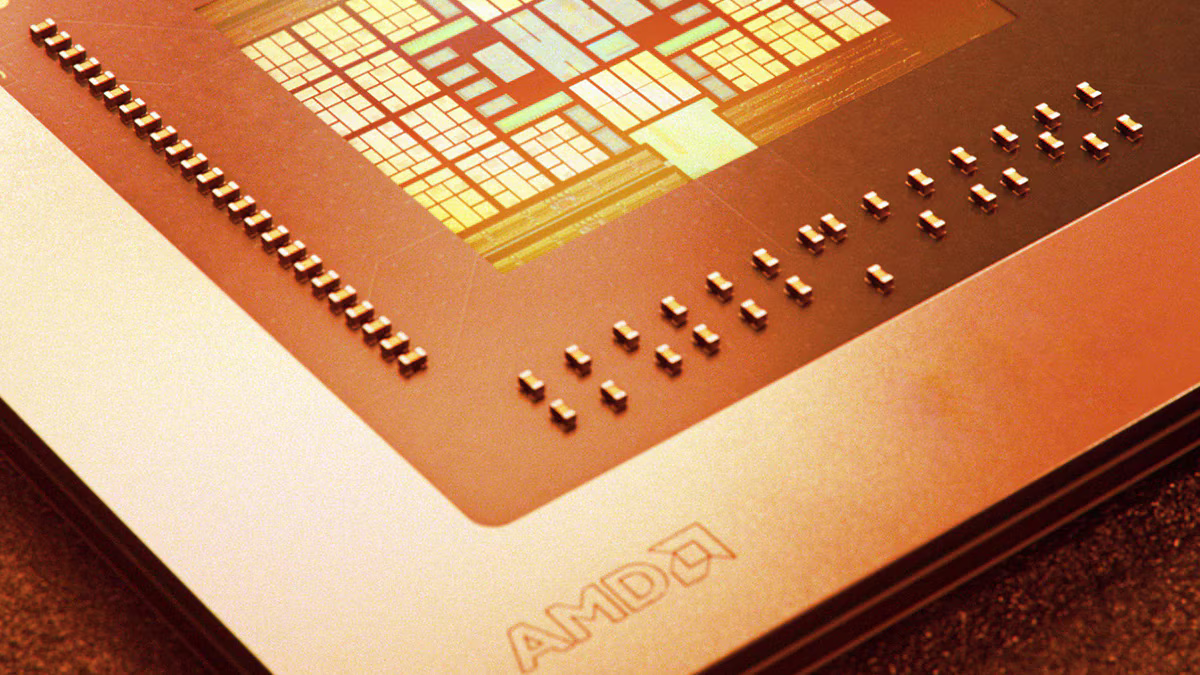
AMD is adding tamper-resistant hardware to its chips to protect from physical attacks
THE SO WHAT
Backside probing went from “out of scope” to a design constraint—chip vendors are hardening silicon against lab-grade physical attacks. If you handle high-value models or keys on-prem, start mapping which workloads need tamper-resistant hardware and plan refresh cycles accordingly.
READ THE SOURCE
MORE FROM THE WIRE
 Deep & Emerging Tech
The AI power scramble is in full force. Which companies really stand to profit?
The real margin in the AI boom may accrue to power producers and grid-scale infrastructure, not just chip vendors. If you’re planning large AI deployments, treat long-term power contracts and grid relationships as core strategy work, not back-office procurement.
Deep & Emerging TechFerguson CFO on AI Boom, Housing Pressure and $1.6 Billion Deal
Ferguson seeing housing drag while AI, data centers, and large capex projects drive industrial demand is another data point that AI infra is now a core end-market for traditional suppliers. If you’re in construction or MRO, reweight your pipeline toward data center and power-adjacent projects — that’s where spend is compounding.
 Deep & Emerging Tech
Oura founders back Vire Health’s waist-worn temperature tracker for women
Oura alumni backing a €449 waist-worn tracker for 100 early users is a bet that women’s health needs a new form factor and more granular data, not just another ring. If you’re in digital health, assume the bar is moving from generic wellness to condition-specific, sensor-rich hardware plus longitudinal data services.
 Deep & Emerging Tech
New OQI Impact Tool Supports The Responsible Design of Quantum Computing Applications
An open OQI Impact Tool for quantum developers is an attempt to bake societal and governance checks into the design phase, not bolt them on later. If you’re experimenting with quantum, expect grant-makers and regulators to start asking whether you used frameworks like this before scaling sensitive applications.