

An interview with Google SVP of Devices Rick Osterloh on Googlebooks, which he calls "the ultimate focusing move" for Google, future Pixel Googlebooks, and more
THE SO WHAT
Calling Googlebook “the ultimate focusing move” telegraphs that Google wants a tighter, opinionated hardware–software stack around Android and ChromeOS. If you’re an OEM or ISV in Google’s ecosystem, assume more integrated experiences and be ready to align with their preferred patterns—or differentiate sharply where you don’t.
READ THE SOURCE
MORE FROM THE WIRE
 Tech & Innovation
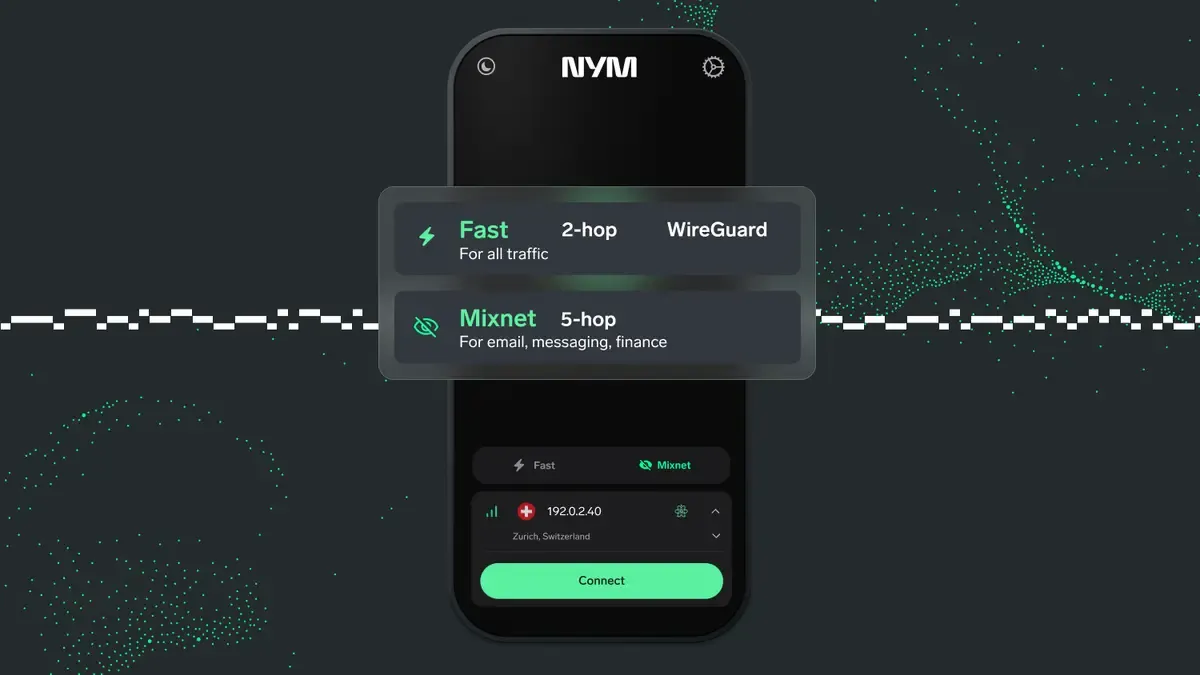
NymVPN’s massive new update adds one-click connections, advanced split tunneling, and fresh pricing
Decentralized VPNs are moving from hobbyist tooling toward mainstream UX—one-click connect, geo-exclusion, and anti-censorship in a single release means they’re targeting incumbents, not just privacy diehards. If your product depends on IP-based geofencing or traffic analysis, assume more of your users will be effectively invisible by default.
 Tech & Innovation
Microsoft finally fixes this annoying Excel paste problem, but you probably never even noticed
Even tiny Excel bugs can quietly tax thousands of analysts for years—this is a reminder that legacy office workflows still hide real friction. If you’re investing in AI copilots, pair that with a ruthless pass on basic UX papercuts in the tools they wrap around.
 Tech & Innovation
Our favourite free graphics suite gets supercharged as Canva's Affinity gets a flurry of upgrades in a bid to rival Adobe
Canva tying Affinity more tightly into its ecosystem—with automation, file compatibility, and links to Cavalry and ProSuite—is a push to own the full creative workflow, not just casual design. If you build tools for designers or marketers, assume a future where Canva is both the canvas and the asset manager you have to integrate with.
 Tech & Innovation
Googlebooks dissected: Are they for you?
Googlebooks tying hardware tightly into Android is another swing at a vertically integrated laptop experience—closer to phone-like behavior than traditional PCs. If you ship productivity or comms apps, you should be validating UX on these hybrids early; they’re testbeds for where Google wants Android computing to go.