

Analysis: South Korea and Taiwan each surpassed Japan in total exports for the first time in H1 2026, as AI demand drove explosive growth in chip exports
THE SO WHAT
South Korea and Taiwan overtaking Japan in H1 2026 exports on the back of AI-driven chip demand reinforces that semiconductor capacity is the real growth engine, not finished goods. If your roadmap depends on advanced nodes, your exposure is now tightly coupled to two export-heavy economies with concentrated geopolitical risk.
READ THE SOURCE
MORE FROM THE WIRE
 Deep & Emerging Tech
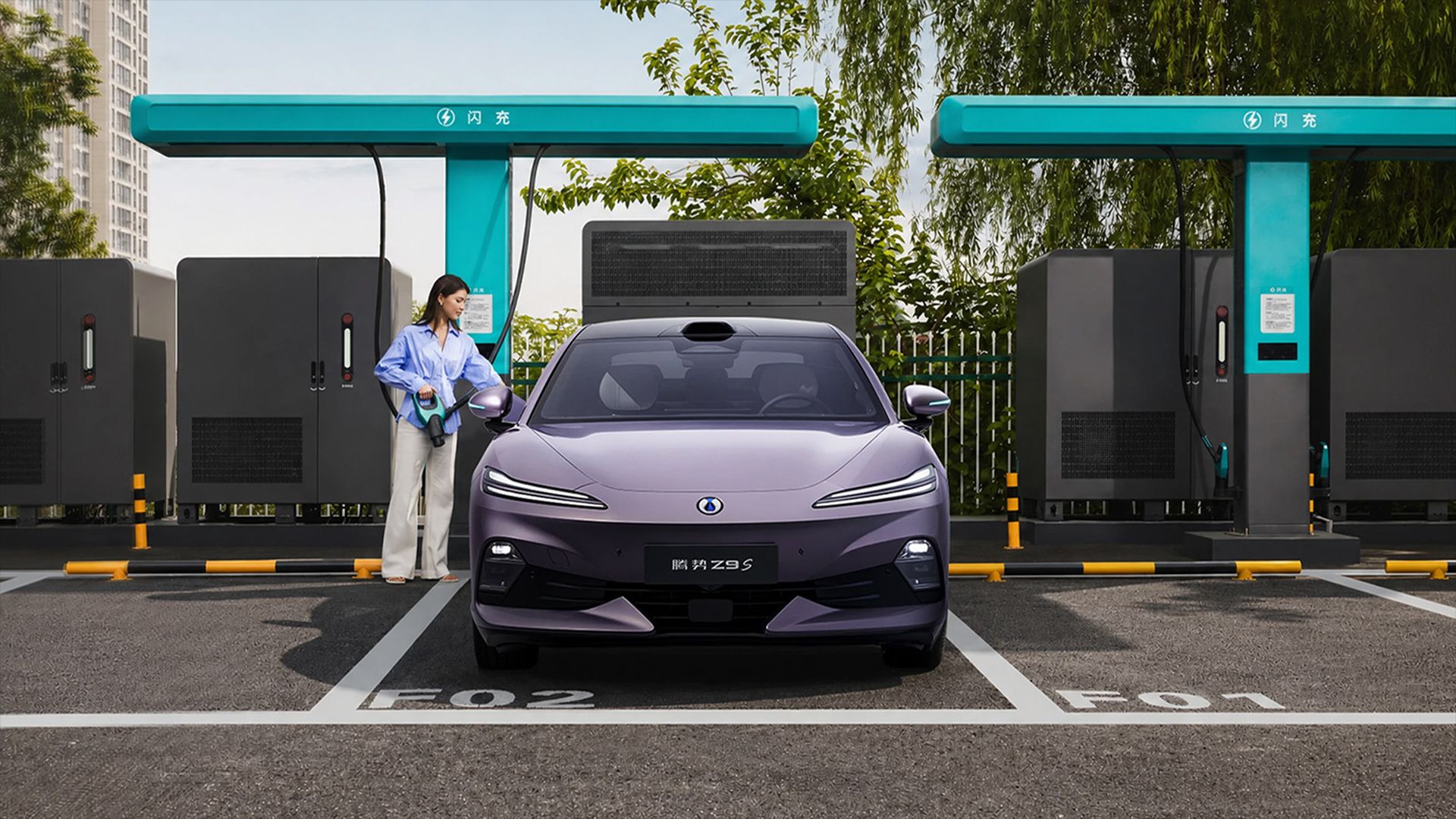
Denza claims its latest Z9S model boasts the world’s longest electric range — allowing owners to drive from New York to Detroit without a stop
If 683 miles per charge holds up outside the lab, range anxiety stops being the gating factor and charging network density becomes a secondary differentiator. OEMs and fleet operators should start modeling duty cycles and asset utilization under a world where long-range BEVs can run full-day routes without touching a charger.
 Deep & Emerging Tech
Sources: Nvidia agrees to invest $2B in Lancium, the power infrastructure developer of the Stargate campus in Texas, plus $1B more if it hits certain thresholds
Compute strategy is now power strategy—Nvidia putting up $2B with another $1B contingent into Lancium, the developer behind OpenAI and Ora’s Stargate campus, is a bet on locking in electrons as much as GPUs. If you’re planning large-scale AI buildouts, you need a power and land partner on your vendor list, not just a cloud and chip vendor.
 Deep & Emerging Tech
Analysis: SpaceX is on track to build ~10 GW of compute capacity by 2027's end, with 6 GW-8 GW in 2027 alone, which could drive $300B in annual revenue run-rate
If SpaceX really gets to ~10 GW of AI-grade compute by 2027 — with 6–8 GW landing in 2027 alone — compute becomes an integrated part of a launch + satcom + data stack, not just a cloud SKU. For operators, long-term AI infra planning now has to price in non-traditional providers that bundle bandwidth, orbit, and inference capacity into one industrial footprint.
 Deep & Emerging Tech
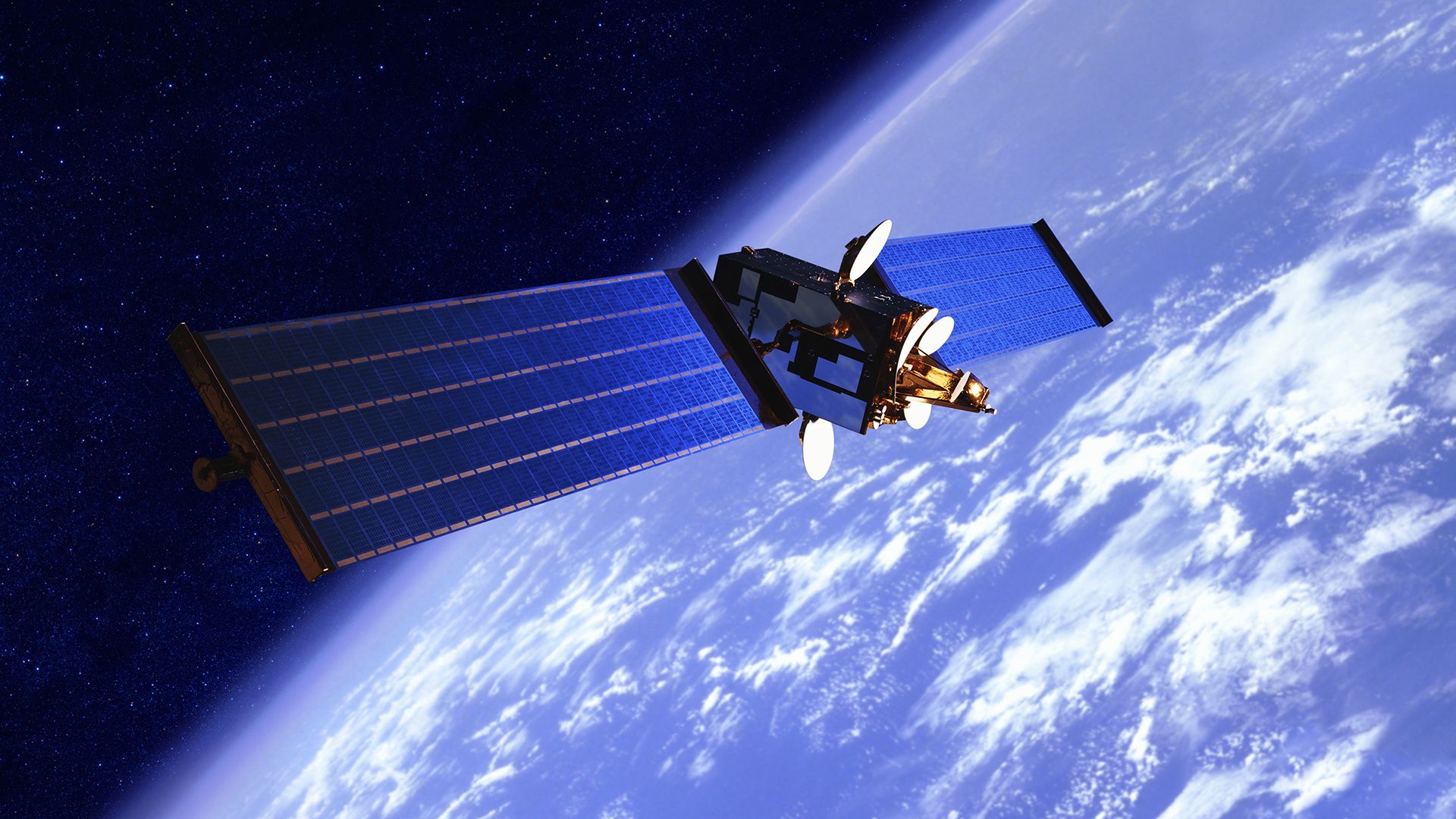
Russia is kickstarting its plans to dominate the space race once again — but it will have to depend on Chinese hardware to do so
Russia’s Angara expansion leaning on Chinese equipment for critical manufacturing is another data point that space and defense supply chains are bifurcating along geopolitical lines. If your product touches launch, satcom, or dual-use hardware, assume export controls and vendor concentration risk will shape who you can sell to and who you can buy from.