
Anthropic launches Claude Opus 5, a cheaper AI model for coding, agents and enterprise workflows
THE SO WHAT
The shift from raw capability to economics of daily use is now explicit—Opus 5 is Anthropic’s answer to buyers who care more about cost-per-workflow than benchmark wins. If you're budgeting for 2026, assume your default model tier will be this "near-frontier at half price" band and negotiate contracts accordingly.
READ THE SOURCE
MORE FROM THE WIRE
 Applied AI
I gave ChatGPT my medical records. It was less scary—and more useful—than expected
Patients are already stress-testing LLMs on real medical records — whether or not health systems are ready. If you run clinical workflows, assume shadow AI consults are happening and move faster on guardrails, disclosure, and integration rather than pretending usage will wait for your official rollout.
 Applied AI
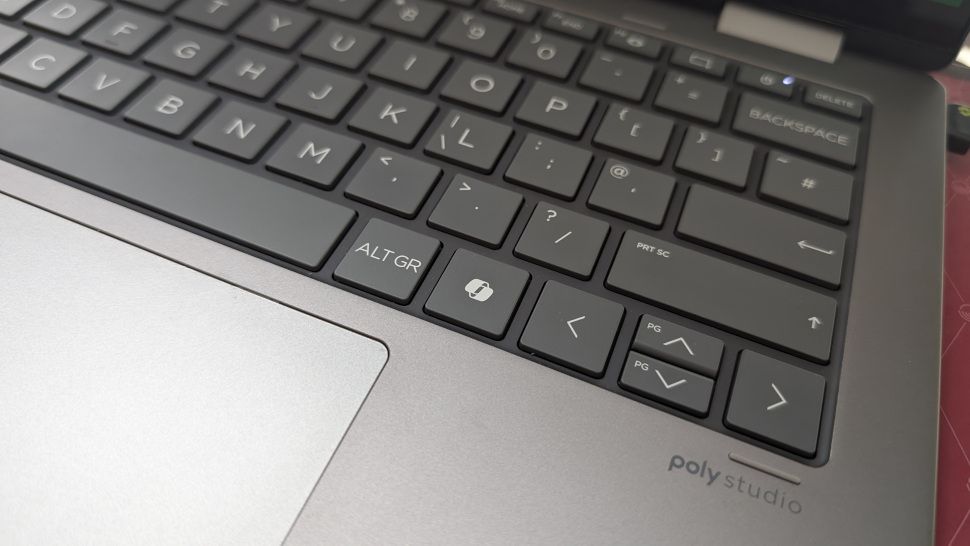
Hate the Copilot key in Windows 11? It looks like Microsoft's bringing in the option to remap it to do nothing — if you feel that's more useful
Giving users the option to null-route the Copilot key is a quiet admission that forced AI surfaces can backfire. If you're embedding assistants into core workflows, build opt-outs and remaps in from day one or expect shadow-IT level resistance.
 Applied AI
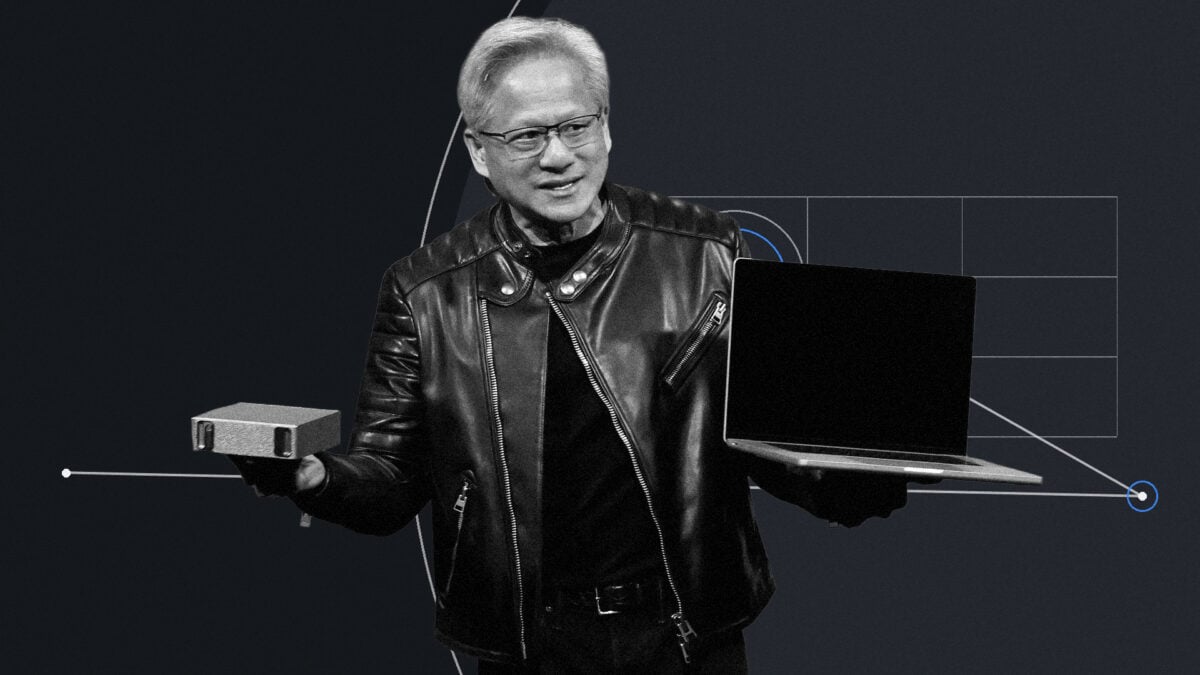
Nvidia’s CEO Wants to Support Open AI Models So Bad, He Was Willing to Join the X Cesspool
Nvidia leaning into open-weight ecosystems is about protecting GPU demand from a single-vendor model monopoly. If you're building on open models, expect more direct courtship from infra providers and use that to negotiate better pricing and support.
 Applied AI
Jensen Huang has a high-stakes message for AI policymakers
The fight over open-weight restrictions is about who captures value from Nvidia’s hardware—centralized frontier labs or a broader ecosystem. If your roadmap depends on open models, you now have regulatory risk to track alongside technical and vendor risk.