
Anthropic S1 Shows $80 Billion Loss This Year, WSJ Reports
THE SO WHAT
An $80.7B loss and a projected $750B compute bill reframes frontier AI as mega-project infrastructure, not software economics. For enterprise buyers, this level of capex concentration means vendor risk and pricing power need to be part of your AI strategy, not an afterthought.
READ THE SOURCE
MORE FROM THE WIRE
 Applied AI
Partnering with Blacksmith
If agents can write production-scale code, the new bottleneck is proving that code is safe, performant, and compliant at the same speed. Expect “agent-era CI/CD” vendors like Blacksmith to become a required layer in any serious agent deployment, not a nice-to-have devtool.
 Applied AI
Anthropic’s cloud partnerships are getting messy
When a top lab with a November IPO on deck struggles to secure capacity from hyperscalers that also see it as a rival, the compute market is shifting from vendor–customer to coopetition. If you’re building on third-party GPUs at scale, lock in multi-cloud options and term commitments now rather than assuming spot capacity will be there later.
 Applied AI
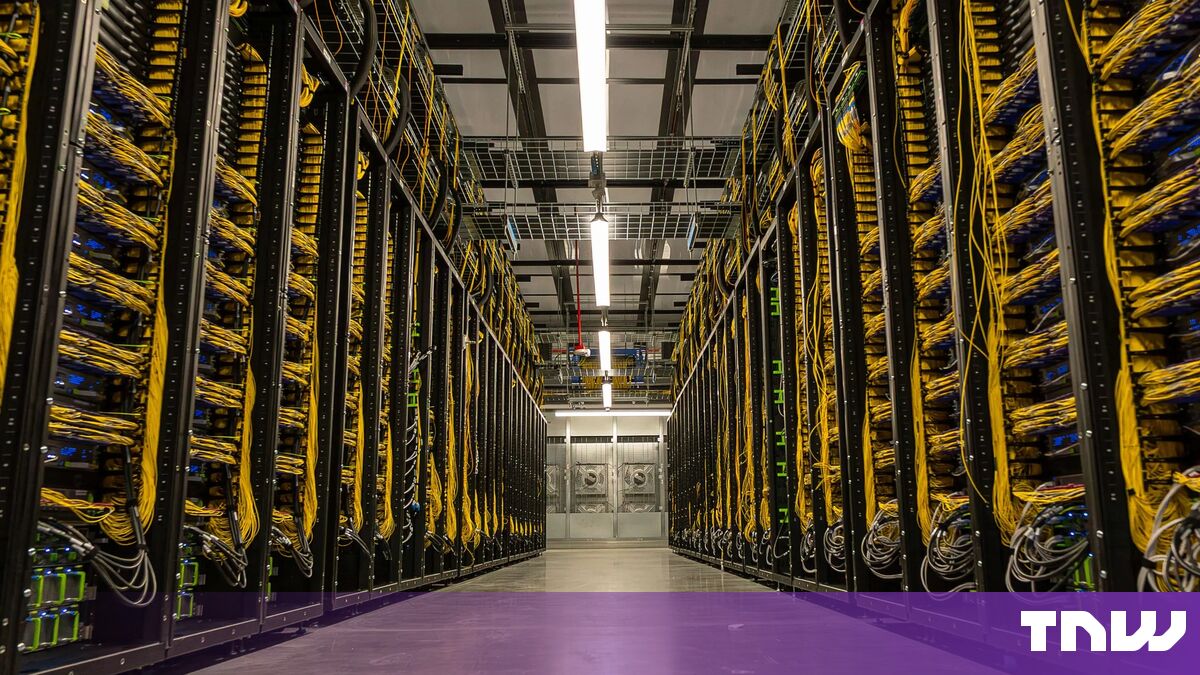
Meta details Prometheus, the Ohio supercluster heading for 1 million GPUs
A gigawatt-scale Prometheus cluster in Ohio heading toward 1 million GPUs means hyperscalers are turning entire regions into AI power-and-fiber campuses. If you’re not a trillion-dollar balance sheet, assume your role is to ride these mega-clusters via cloud and colo—not to compete on raw infrastructure.
 Applied AI
OpenAI Says Its Models Can Give the Financial Sector a Coding Makeover
Using LLMs to modernize COBOL-era financial systems reframes AI as a migration tool, not just a chatbot. If you own legacy codebases in regulated environments, your competitive edge may come from how quickly—and safely—you can let models refactor and wrap them.