
Anthropic's S-1 shows a governance structure that suits a "fun quirky little mission-driven worker cooperative" seeking to raise billions as a public company
THE SO WHAT
Mission-first, multi-class governance is now live-tested at AI scale—public investors are being asked to buy into a structure where economic upside and control are explicitly decoupled. If you’re building in frontier domains, expect LPs and later-stage capital to push harder on how your mission guardrails interact with their exit paths.
READ THE SOURCE
MORE FROM THE WIRE
 Applied AI
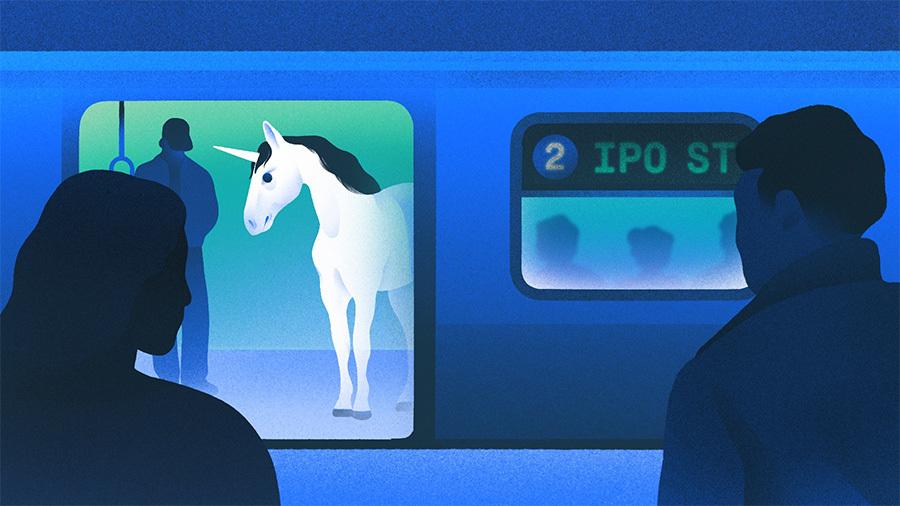
Anthropic's IPO outlines an unusual succession plan: confidential, ranked lists of up to ten successors per founder, subject to approval from five cofounders
Anthropic is hard-coding founder ideology into the cap table via pre-baked, confidential successor lists rather than leaving control to markets or a single board. If you’re building around a strong mission thesis, this is a reminder that governance design is now a first-class product decision, not legal boilerplate.
 Applied AI
Some Observations About Anthropic’s IPO Filing
Anthropic’s 335-page S-1 is the first detailed public blueprint of hyperscale AI lab economics—earnings trajectory, capital intensity, and risk stack in one place. If you’re raising for AI infra or apps, underwriters and LPs will benchmark your story against these numbers whether you like it or not.
 Applied AI
HPE is sending its most powerful AI compute platforms to the Moon aboard an all-new lunar rover
HPE’s Spaceborne Computer heading to the Moon is less about lunar workloads and more about proving AI compute can survive and operate in extreme, bandwidth-constrained environments. If you’re designing edge AI for defense, energy, or remote industrial sites, this is validation that “space-grade” reliability is becoming a commercial reference point.
 Applied AI
OpenAI launches GPT-6.1 Terra, a cheaper model for everyday computer work
GPT-6.1 Terra pushes “computer use” into the mid-tier model—turning routine office workflows into an addressable surface for API-driven agents, not just chat. If you run internal tools or SaaS, assume users will expect native agent control over files, apps, and browser sessions, and design permissions and logging accordingly.