
Apple Is Finally Ready to Enter Its Next Big Category: the Smart Home
THE SO WHAT
Apple treating the smart home as its next major category under John Ternus means the default controller for lights, locks, and sensors may shift toward the iPhone and HomePod the way it did for wearables. If you're building home or building automation, assume tighter Apple integration will be a customer expectation and plan for certification, APIs, and revenue-share conversations accordingly.
READ THE SOURCE
MORE FROM THE WIRE
 Tech & Innovation
Windows 11's 26H2 update could trigger the rollout of delayed features
A 'predictable and low-disruption' Windows 11 26H2 that quietly backfills delayed features is still a change-management event for IT—especially where Copilot and AI hooks ride along. Treat this as a scheduled opportunity to standardize images, lock down new defaults, and decide which AI-facing features you actually want turned on in your fleet.
 Tech & Innovation
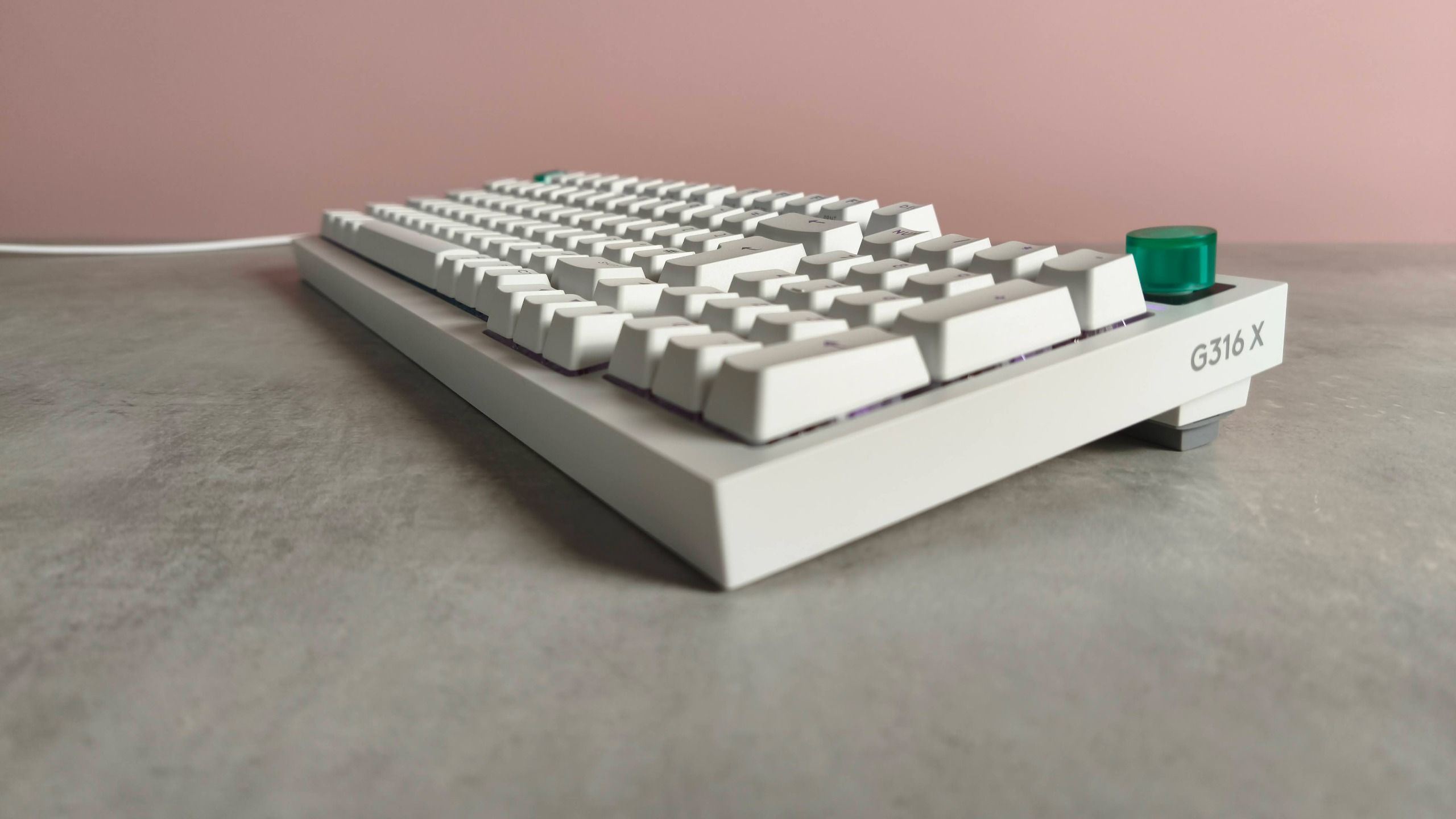
Logitech G316 X 98 review: a super-thocky keyboard with a useless screen
Peripherals with bolted-on screens that don't earn their desk space are a reminder that 'more surface' isn't the same as more signal. If you're speccing hardware for teams, prioritize ergonomics and durability over gimmick displays that add distraction and attack surface without workflow value.
 Tech & Innovation
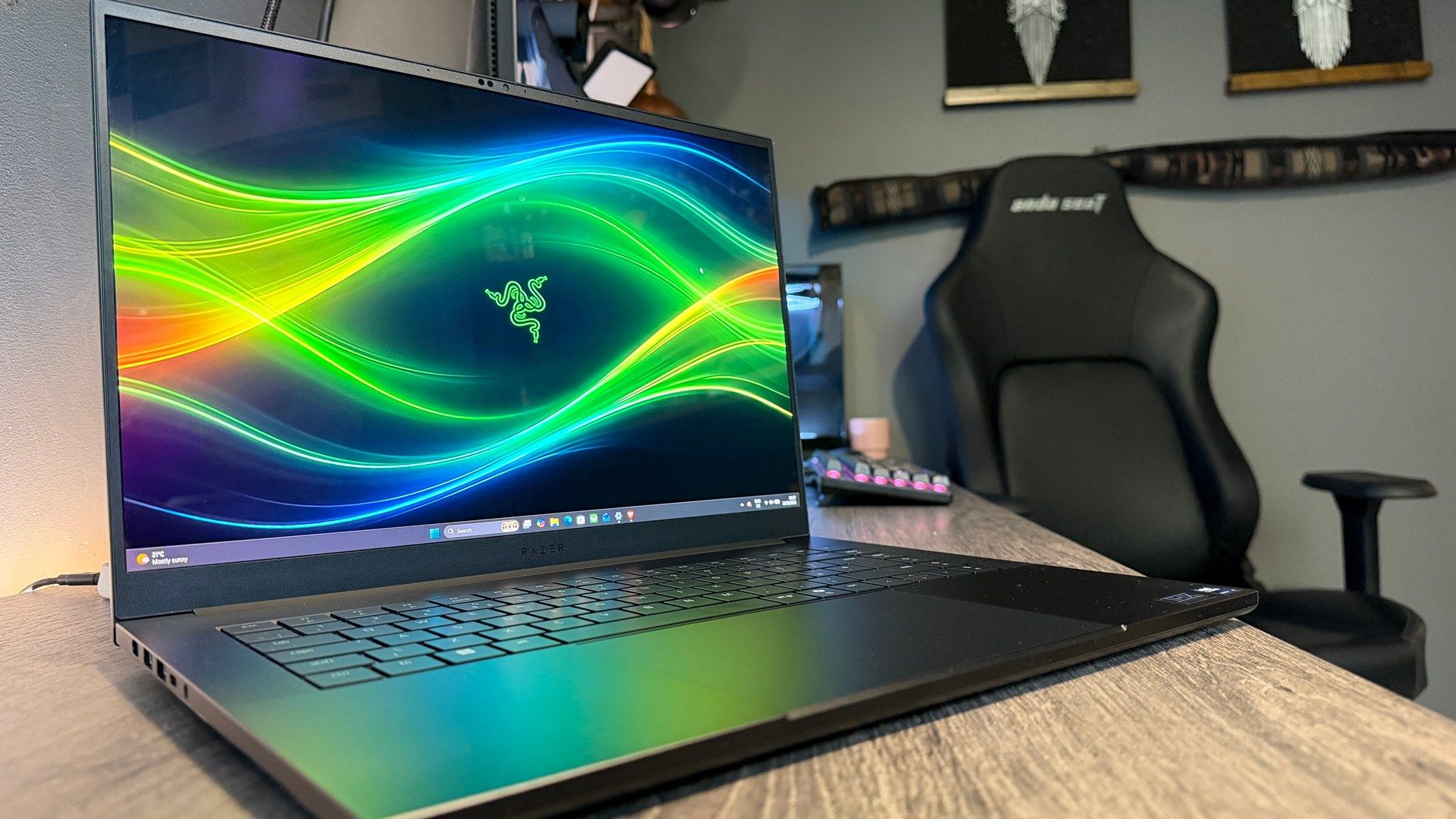
Cost effective? No, but the Razer Blade 16 (2026) might just be the best gaming laptop I've ever tested
A maxed-out Razer Blade 16 that wins on performance but not cost is another data point that the high end of mobile compute is drifting toward workstation pricing. If your teams need local AI or graphics horsepower, compare these 'gaming' rigs against traditional workstations—they may be the more flexible dev box despite the sticker shock.
 Tech & Innovation
Control your PC from your phone with this free app
KDE Connect-style tooling that turns phones into remote controls and bridges for PCs reduces friction in cross-device workflows without new hardware. For IT and ops, these 'free' utilities are both a productivity unlock and a shadow-IT vector—decide whether to standardize and support them or explicitly block them.