
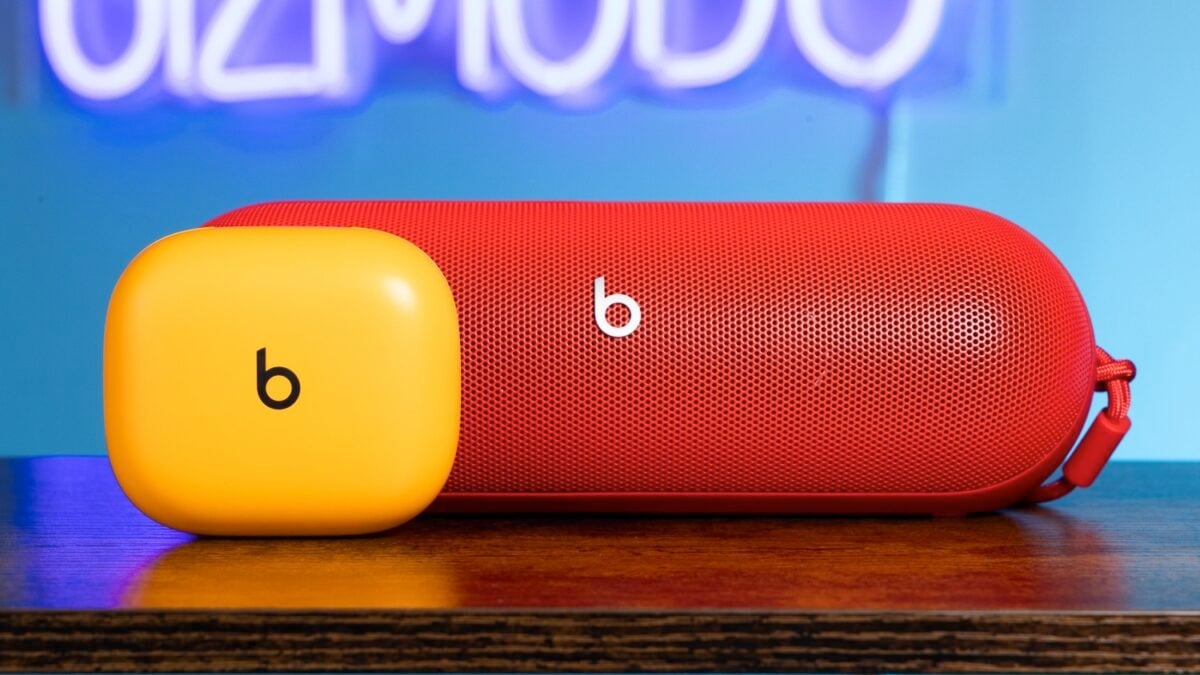
Apple May Pivot the Beats Brand Into a Way of Marketing Less Polished Products, Starting With Gamer Gear
THE SO WHAT
Using Beats as a sandbox for "less polished" gamer gear lets Apple probe new segments without diluting the core brand’s premium expectations. If you operate a multi-brand portfolio, this is a reminder to align experimentation and rougher UX with sub-brands where the audience values culture and speed over refinement.
READ THE SOURCE
MORE FROM THE WIRE
 Tech & Innovation
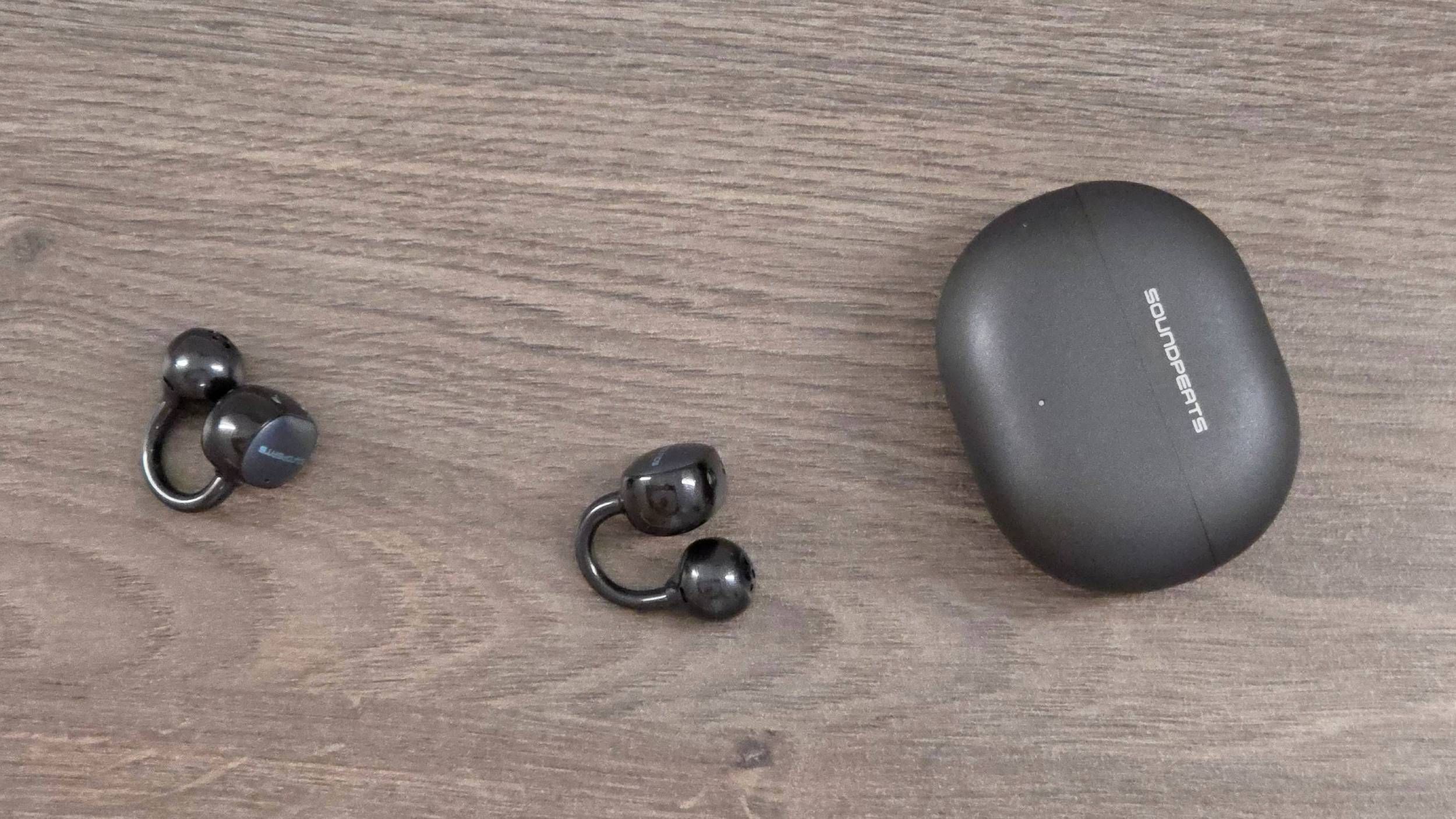
I was ready to call these the best open earbuds ever, and they're incredibly cheap — but one recurring issue ruined it all
Great acoustics and fit are now table stakes—connectivity reliability is the make-or-break for consumer hardware reviews and returns. If you ship connected devices, treat RF/BT stack testing and edge-case connectivity as a first-class product surface, not an afterthought behind industrial design.
 Tech & Innovation
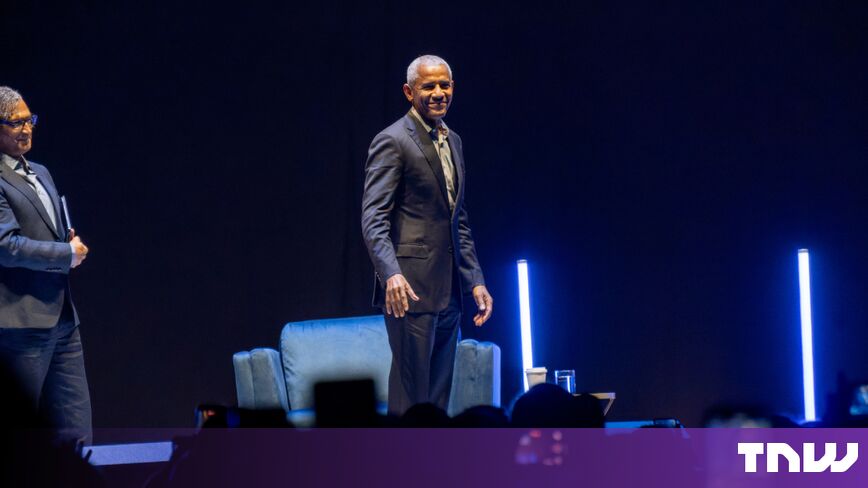
Obama warns AI in private hands could be dangerous and urges Democrats to act
When a former U.S. president tells party donors that AI in private hands is “moving very fast” and “can be dangerous,” he’s seeding a mandate for more aggressive federal intervention. Operators should expect tighter scrutiny on data use, model deployment, and labor impact—start documenting your AI risk posture now so you’re not scrambling when legislative text catches up.
Really? Palantir cofounder on AI's threat: 'We’re on top of it’
When security vendors downplay AI existential risk, they’re really arguing that existing governance and defense tooling can stretch to cover new threats. For CISOs and boards, the gap between that narrative and your own threat modeling is where budget and architecture decisions will get made.
 Tech & Innovation
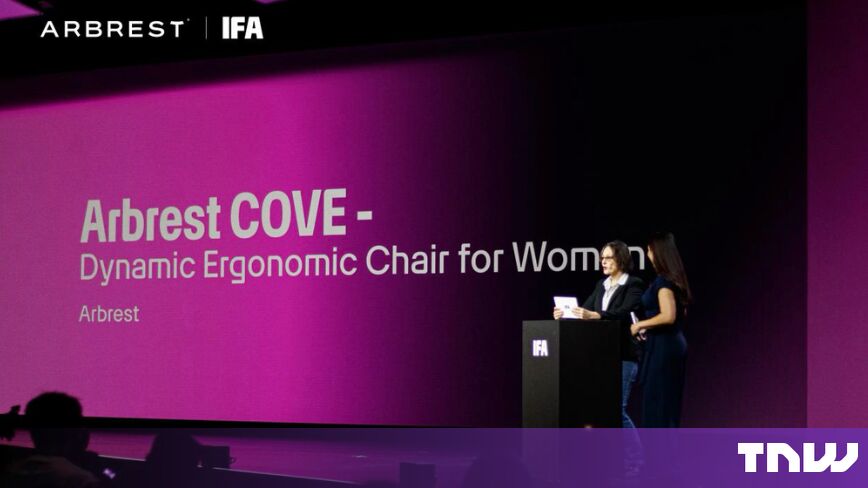
From IFA demonstrations to a wider design question: why should an office chair expect the body to stay still?
Dynamic seating like ARBREST’s COVE treats motion as the default state, not an exception—mirroring how we’re redesigning digital workflows around constant context switching. For workplace operators, ergonomics is becoming a systems question: furniture, space, and policy all tuned for micro-movement instead of static desk time.