
Apple says it is shipping security updates early as AI speeds up hacking
THE SO WHAT
Apple pulling security fixes forward because AI is accelerating exploit development means the cadence of defense is now set by models, not humans. For operators, that translates into a non-negotiable requirement for rapid patch pipelines, automated testing, and user communication that can handle unscheduled, high-frequency updates.
READ THE SOURCE
MORE FROM THE WIRE
 Deep & Emerging Tech
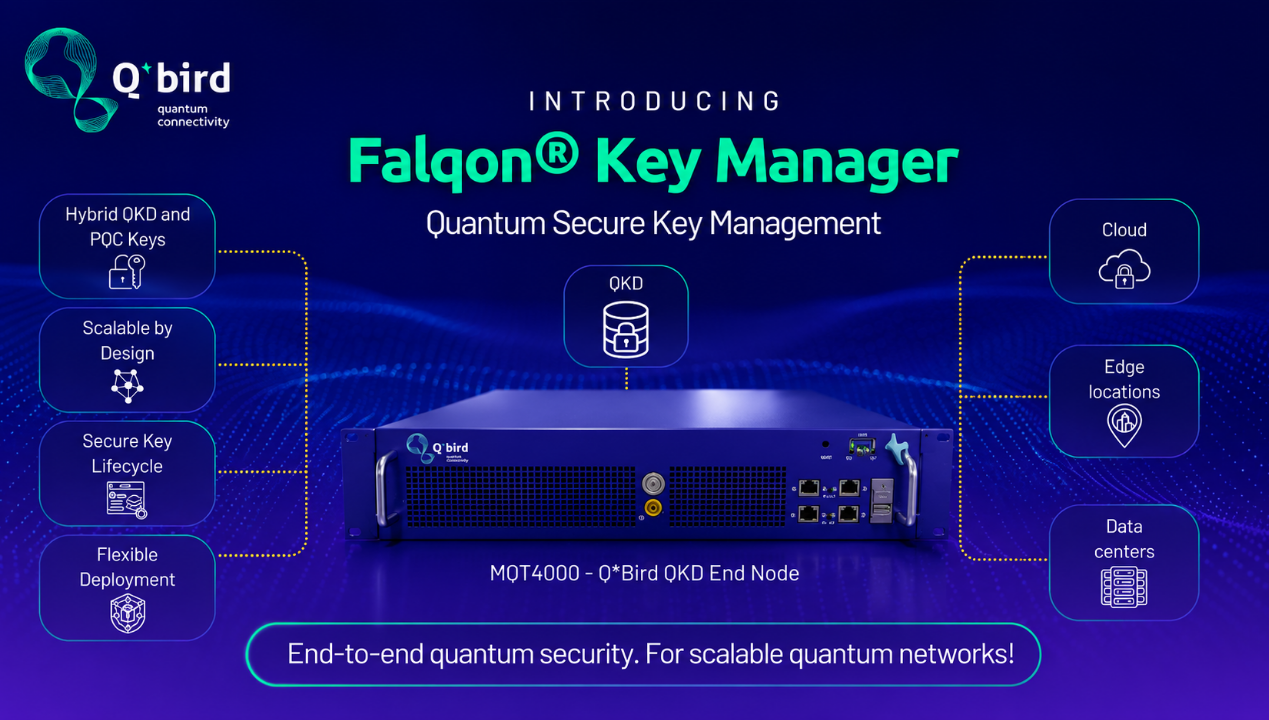
Q*Bird Launches the Falqon Key Manager to Enable Scalable Quantum Secure Networks
A standalone quantum key manager like Falqon is a sign that “post-quantum” is moving from whitepapers into network architecture. CISOs and infra leads should at least map where key management lives in their stack and which vendors have a quantum-safe roadmap—retrofits will be harder and more expensive later.
 Deep & Emerging Tech
IMF: Cyberattacks Getting Faster
If the IMF is flagging shrinking windows between vulnerability disclosure and exploitation, patch latency just became a macro risk, not a local IT problem. Boards and CFOs should treat rapid update capability—tooling, process, and staffing—as part of financial stability, especially in regulated sectors.
Deep & Emerging TechLee’s $880 Billion AI Bet Ties Legacy to South Korea Chip Boom
An $880B national bet on AI chips in South Korea underscores how semiconductors are becoming state-level industrial policy, not just corporate capex. If you depend on GPU and memory supply, your planning horizon now has to account for geopolitical chip hubs and incentives, not just cloud provider roadmaps.
The data center boom is making the memory shortage even worse
AI data center buildout is now directly distorting DRAM/NAND supply—consumer devices are competing with GPU clusters for the same wafers, with no near-term relief. If your roadmap depends on high-memory servers or devices in 2026–2027, lock in supply and pricing now or design around tighter memory footprints.