
Apple Seeks US Approval to Buy Chips From Blacklisted CXMT: FT
THE SO WHAT
Apple lobbying to buy memory from a blacklisted Chinese vendor underscores how tight and price-sensitive the DRAM market has become. If your hardware P&L depends on memory costs, assume more volatility and geopolitical friction in your supply chain planning.
READ THE SOURCE
MORE FROM THE WIRE
 Deep & Emerging Tech
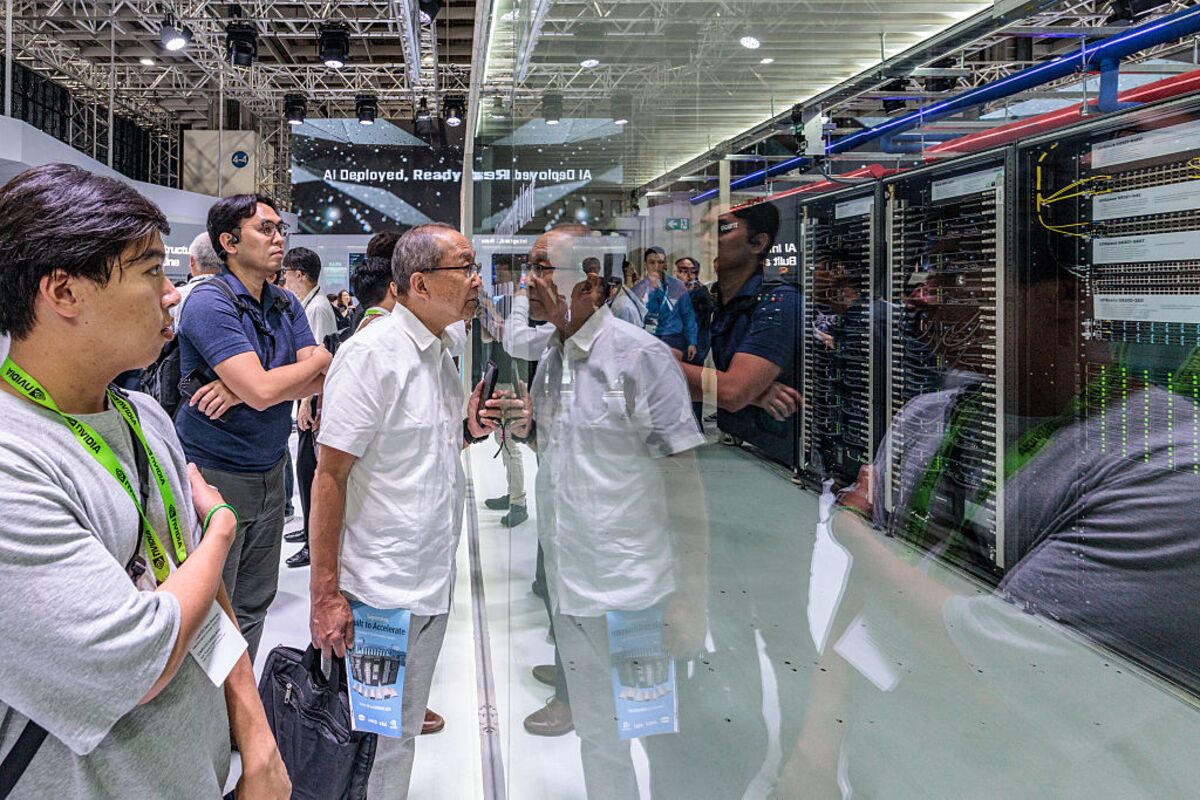
AI’s Energy Crunch Has Investors Searching for Next IPO Winners
Capital is rotating from pure AI names into the power stack—Wall Street is betting billions on grid, generation, and cooling firms whose tech isn’t fully proven yet. If you’re planning large-scale AI deployment, treat energy availability and pricing as a first-class strategic constraint, not a line item procurement will sort out later.
 Deep & Emerging Tech
SpaceX’s new $11 billion ‘saving grace’ comes with a big catch
An $11B pivot toward selling hardware access to rivals underscores how valuable vertically integrated space and compute infrastructure has become—even for companies with their own AI ambitions. If you’re betting on space-based or edge compute, assume your infra suppliers may also be your AI competitors and structure contracts and data flows accordingly.
 Deep & Emerging Tech
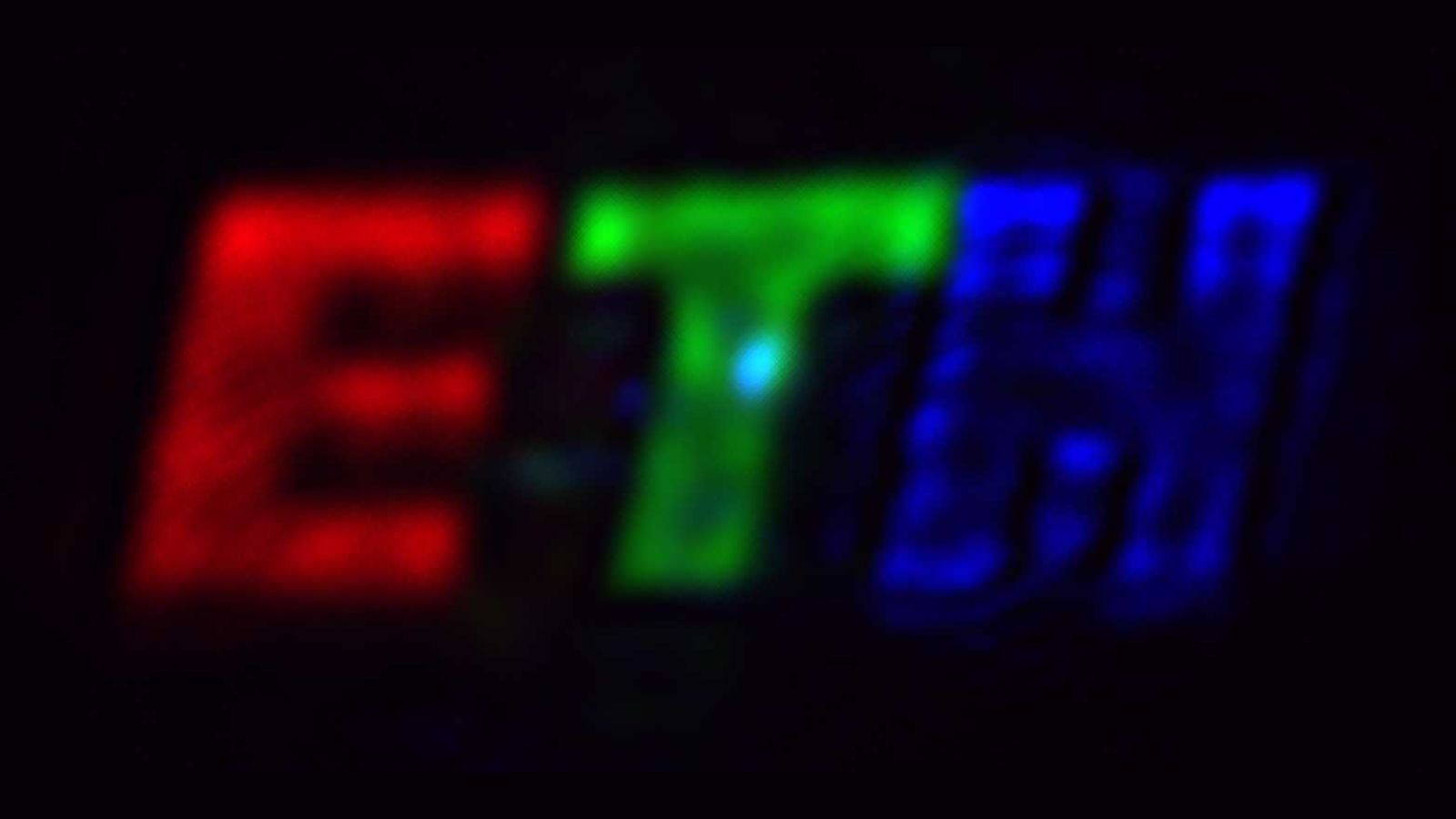
Researchers invent 'new type of pixel' that could create displays that double as cameras — and the internet's first thought is 'what could go wrong?'
Displays that both emit and sense light collapse the boundary between screen and camera—turning every surface into a potential imaging device. Hardware teams should see this as a path to new interaction models, while policy and security teams should assume ‘front-facing camera’ is no longer a meaningful privacy constraint.
 Deep & Emerging Tech
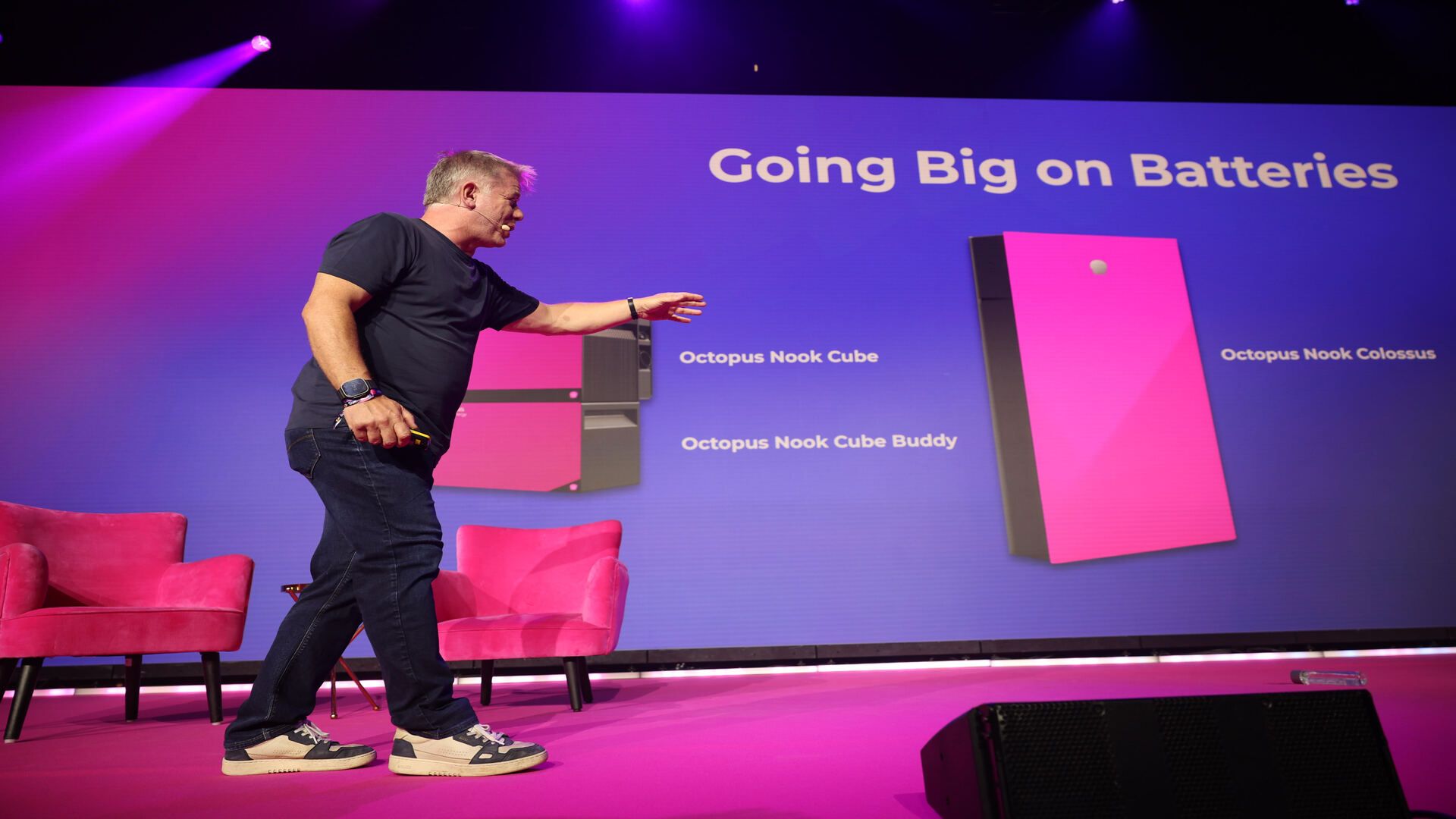
Octopus Energy just announced 30kWh home batteries to compete with Tesla Powerwall — but they won't go on sale till 2027
Octopus planning 30kWh home batteries across five European markets by 2027 points to residential storage becoming a mainstream grid asset, not a niche upgrade. If your product depends on stable, cheap power—especially AI or EV-heavy—start modeling scenarios where customers buffer their own load and arbitrage tariffs.