
Association for Advancing Automation: North American companies ordered ~11K robots in Q3 2026, up 25% YoY, as they seek to ease labor shortages in manufacturing
THE SO WHAT
A 25% YoY jump to ~11K robots in a quarter is labor substitution turning into a baseline planning assumption in North American manufacturing. If your plant still treats automation as a capex exception instead of a standing line item, your cost structure and delivery reliability will diverge from peers over the next 12–24 months.
READ THE SOURCE
MORE FROM THE WIRE
 Robotics & Autonomy
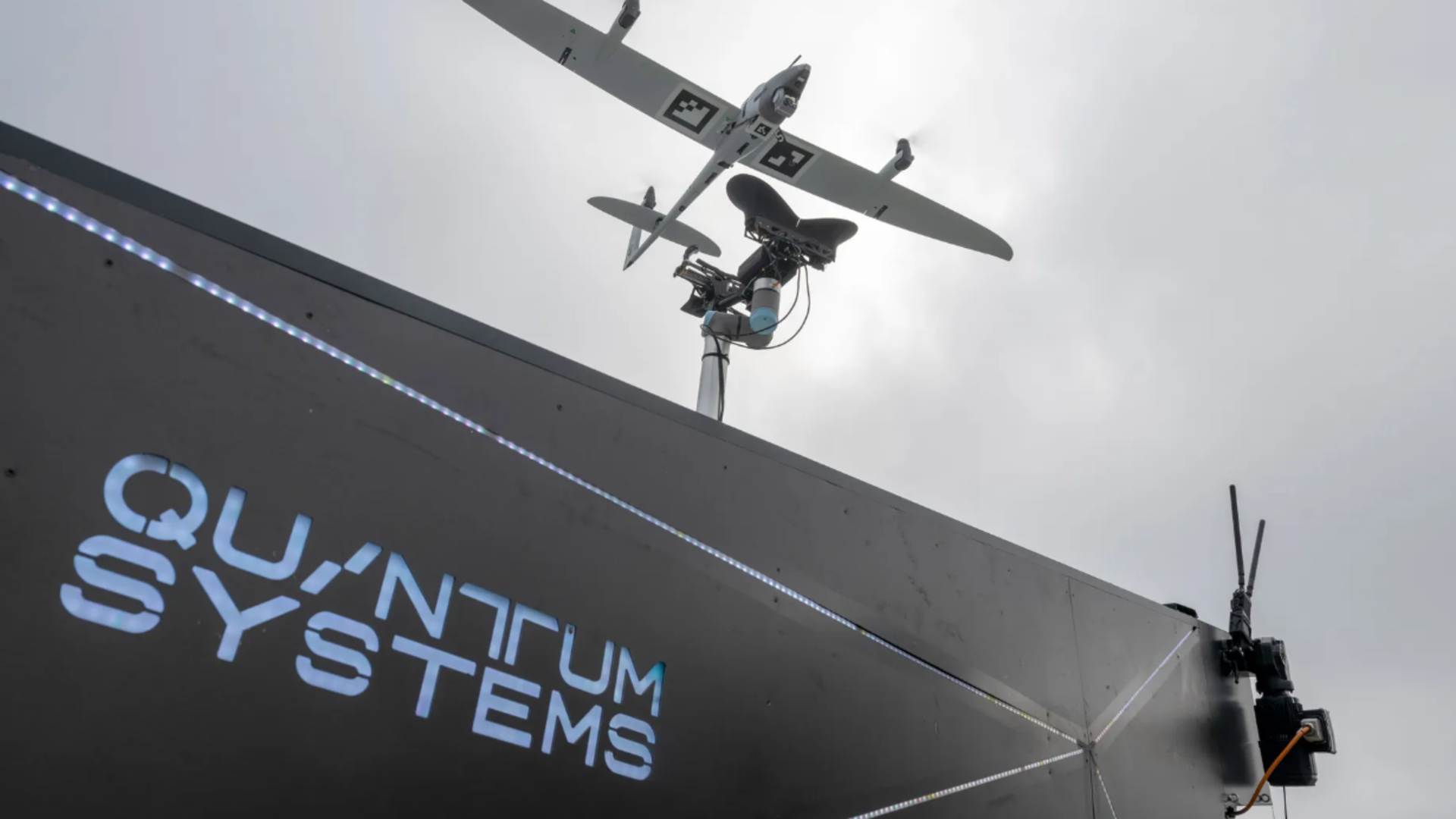
Hackers try to plant malware into Ukraine-bound drones — Germany's Quantum Systems says there's 'no risk' after cyberattack failed
The attempted supply-chain attack on Quantum Systems’ Qbase updates is a reminder that autonomy stacks are now frontline cyber targets, not just IT assets. If you deploy drones or robots into conflict or critical infrastructure, treat update channels and ground-station software as safety-critical surfaces.
 Robotics & Autonomy
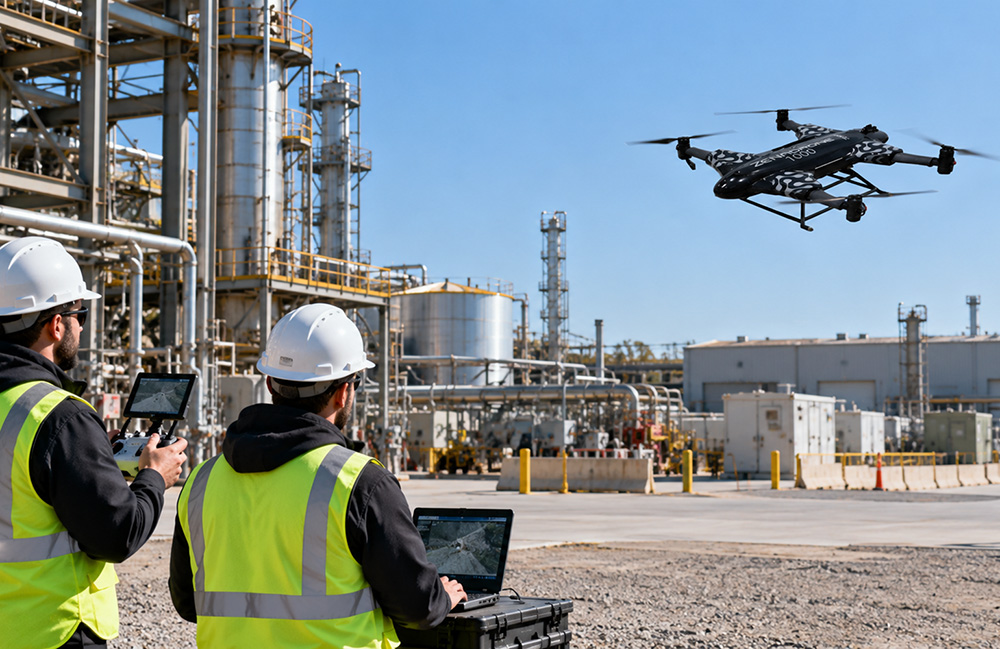
What industrial drone deployments reveal about real-world autonomy challenges
Industrial drone rollouts are running into the hard edges of autonomy—GNSS gaps, SLAM, sensor fusion, obstacle avoidance, and validation are still engineering projects, not solved problems. If you’re scoping field autonomy, budget for systems integration and environment-specific tuning, not just hardware and a generic autonomy stack.
 Robotics & Autonomy
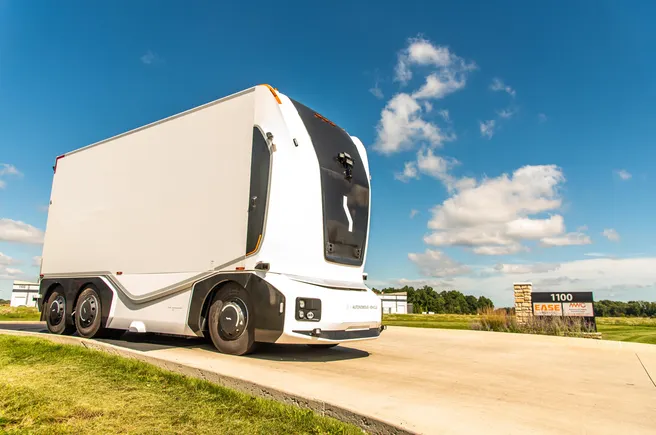
Einride targets 2028 for growth of autonomous freight on highways
Einride pointing to 2028 for scaled autonomous highway freight—backed by Nvidia-powered stacks and 2027 live road evals—puts a concrete date on when linehaul assumptions may shift. Shippers and carriers should start modeling mixed fleets and autonomy-ready lanes now, even if regulatory timing slips.
 Robotics & Autonomy
Roborock’s Qrevo S Pro vacuum-mop just hit a record-low $380 for Black Friday
Sub-$400 for a capable robot vacuum-mop is another step toward domestic autonomy as a mass-market expectation. If you build home devices or services, assume consumers will increasingly expect “self-maintaining” environments and design your offerings to integrate—or at least coexist—with these robots.