
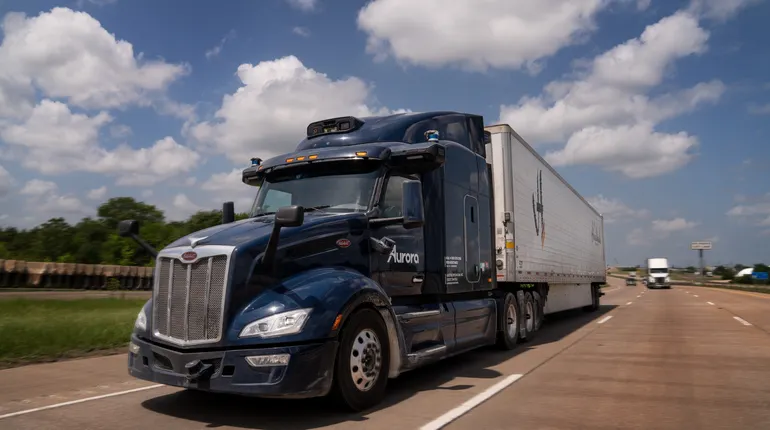
Aurora Innovation commercial scaling phase underway
THE SO WHAT
Aurora shifting to a lower-cost, mass-produced second-gen self-driving truck stack is the move from demo to unit economics. Shippers and carriers should start mapping lanes and contracts where autonomy can be slotted in over the next 12–24 months, with clear guardrails on liability and uptime.
READ THE SOURCE
MORE FROM THE WIRE
 Robotics & Autonomy
Elon Musk spends half his time talking robots and AI on Tesla earnings calls
When half of Tesla’s earnings airtime is about robots and AI, it’s a signal to capital markets that the company wants to be valued as a physical AI and autonomy platform, not a car OEM. If you’re in adjacent hardware or mobility, expect investor questions to shift from units and ASPs to software leverage, data moats, and autonomy roadmaps.
 Robotics & Autonomy
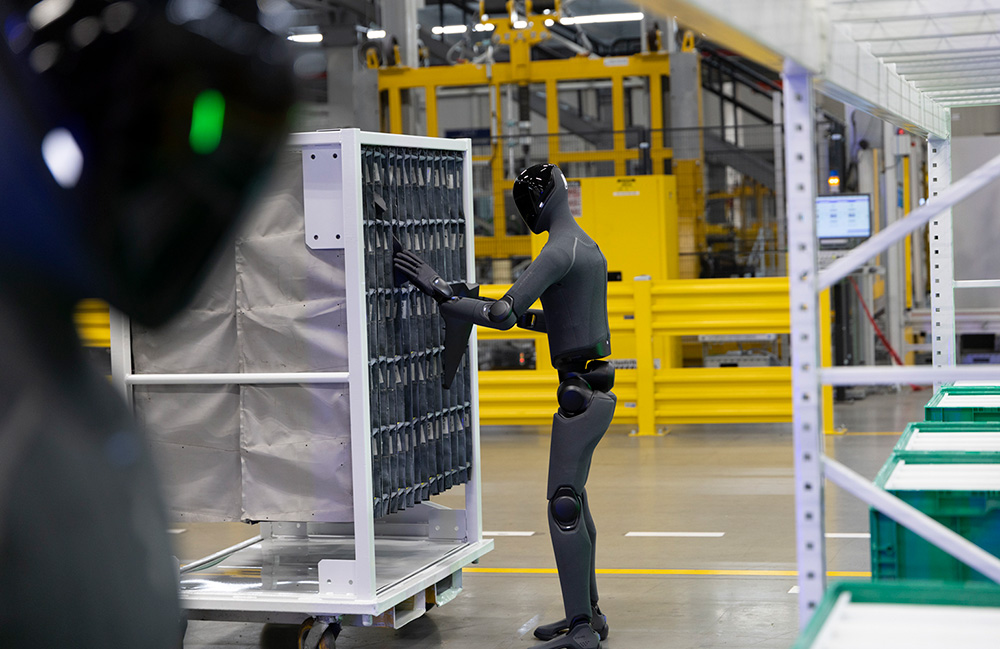
Humanoids won’t scale on factory floors until costs drop
The constraint on humanoids in factories is unit economics, not just intelligence — capex, uptime, and integration cost still lose to fixed automation and humans. If you run manufacturing, treat humanoids as a targeted pilot for edge cases, not a near-term headcount replacement, and demand clear TCO math from vendors.
 Robotics & Autonomy
Keep your pool sparkling clean with 50% off the AIPER Scuba X1
Consumer pool robots at 50% off are a reminder that niche home autonomy is commoditizing fast — specialized robots will hit price points long before general-purpose ones. If you build consumer hardware, narrow, high-frequency chores still look like the best entry point for practical autonomy.
 Robotics & Autonomy
MassRobotics Welcomes Analog Devices as Returning Strategic Sponsor to Power Next-Generation Robotics Startups
Analog Devices renewing as a MassRobotics strategic sponsor is a bet that seeding early access to sensing and analog tech will pay off in the next wave of robotics platforms. If you’re building robots, this is a good moment to revisit which component vendors you’re aligning with for co-development and support.