

Australians should prepare for online services to go down unexpectedly as threats rise, cyber agency warns
THE SO WHAT
A national cyber agency telling citizens to expect outages is a shift from prevention to resilience—AI-enabled attackers are now treated as a persistent condition, not an anomaly. Operators should assume periodic disruption and invest in graceful degradation, offline fallbacks, and tested incident playbooks.
READ THE SOURCE
MORE FROM THE WIRE
 Deep & Emerging Tech
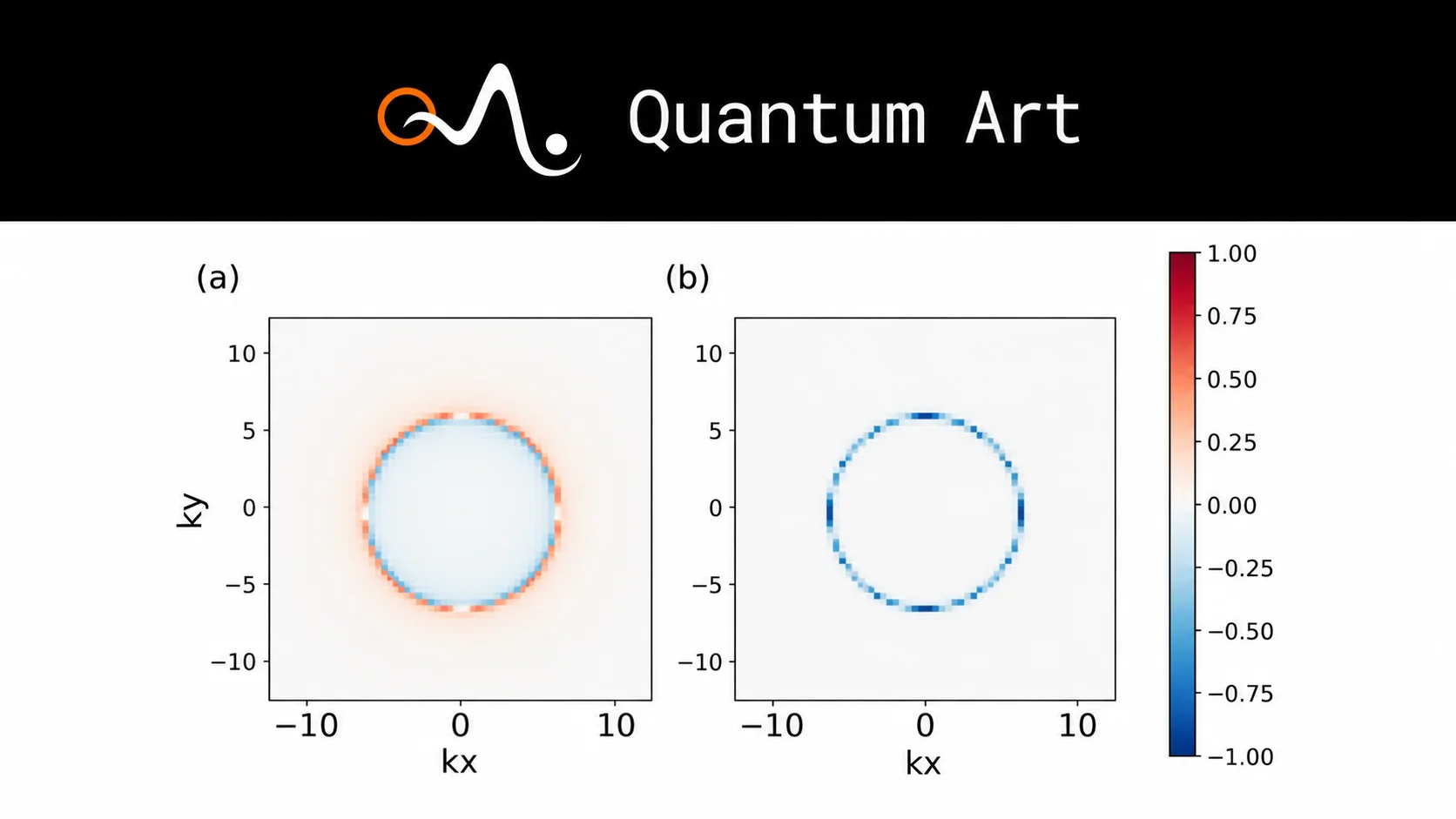
Quantum Art Research Outlines More Efficient Quantum Approach to Wave Modeling
More efficient quantum wave-propagation methods are a reminder that early commercial traction will come from a few high-value physics workloads—RF, acoustics, materials—long before general-purpose quantum. If you live in those domains, start mapping which problems could move from HPC to quantum in the next 3–7 years.
 Deep & Emerging Tech
Report: UK’s £30 Million Quantum Testbed Program Helps Suppliers Advance Toward Commercial Deployment
The UK’s £30M quantum testbed shows that small, targeted public spend can drag hardware vendors out of the lab and into real deployment, with lessons on installation and support. If you’re a government or large enterprise buyer, structured testbeds like this are a practical way to shape vendor roadmaps while de-risking your own adoption.
 Deep & Emerging Tech
SpaceX Agrees to $40 Billion Chip-Financing Deal With Apollo
A ~$40B chip-financing lease is industrial-era capex applied to AI—SpaceX is locking in silicon like it locks in launch hardware. For operators, the message is clear: if AI is core, chip access and financing strategy belong in the boardroom, not just in the cloud budget.
 Deep & Emerging Tech
PHP warns of a third PHP2Shell flaw but won’t rush out a fix
A third remote-code-execution-class flaw with no emergency patch underscores how much risk still sits in "boring" runtime stacks. If you’re pouring budget into AI defenses but running unreviewed PHP apps, your threat surface is misaligned with your spend.