
Autonomous flight startup Reliable Robotics opens Seattle area radar hub as valuation tops $1 billion
THE SO WHAT
Reliable Robotics crossing $1 billion valuation with a new radar engineering hub in Bothell shows capital is now backing autonomy stacks that own critical sensing, not just software. If you operate in aviation or logistics, start mapping where certified autonomous flight could compress your route economics or regulatory assumptions.
READ THE SOURCE
MORE FROM THE WIRE
 Robotics & Autonomy
Reliable Robotics tops a $1bn valuation with $115M for self-flying planes
A $115M raise at a $1B+ valuation for retrofitting existing aircraft to fly themselves is a bet that autonomy will land via upgrades, not clean-sheet vehicles. If you touch aviation or logistics, start mapping where certification-friendly autonomy layers could plug into your current fleet and routes.
 Robotics & Autonomy
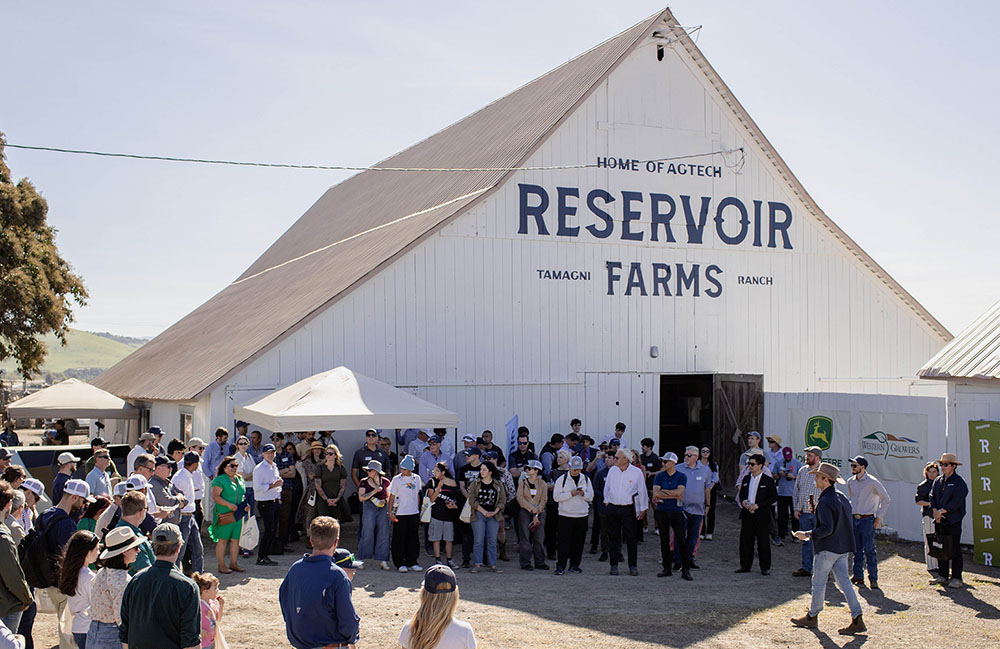
Reservoir launches new agricultural robotics incubator for Washington growers
A dedicated ag-robotics incubator for Washington orchards and vineyards is a move to localize autonomy around specific crops and geographies. If you operate in agriculture, the window is open to co-design robots around your workflows instead of waiting for generic platforms to fit your fields.
 Robotics & Autonomy
Here’s what matters most to Tesla investors heading into earnings
When investors care more about robotaxis and robots than quarterly margins, capital is underwriting a long-duration autonomy and physical AI story. If you’re competing in mobility or industrial robotics, treat Tesla as a capital magnet that can subsidize hardware and AI R&D well beyond what the auto P&L alone would justify.
Elon Musk says 'AI and robots' are the only way to solve America's debt burden
Framing AI and robots as the answer to sovereign debt is less an economic model than a signal of how much growth is being pre-booked into automation narratives. Operators should separate the macro hype from micro reality — focus on where automation actually expands output in your P&L over the next 3–5 years, not 30.