
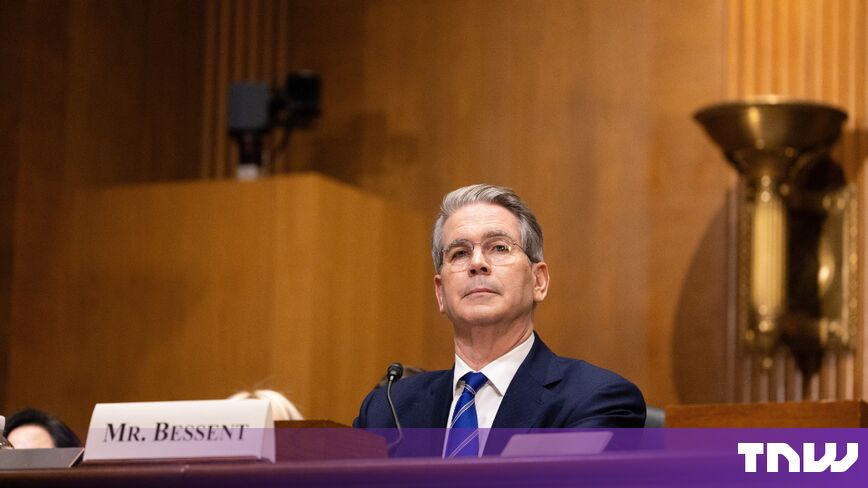
Bessent says AI alarmism without solutions is not leadership
THE SO WHAT
When the US Treasury Secretary calls out AI doom talk without concrete fixes, the policy mood shifts toward solution‑oriented self‑regulation. Industry leaders who pair risk language with specific governance proposals will have more influence over the rules that emerge.
READ THE SOURCE
MORE FROM THE WIRE
 Applied AI
AI may cost us our ability to listen, oral historian warns in the Guardian
If AI handles more of the talking and summarizing, the scarce skill becomes deep listening and context capture. Teams that design workflows around human listening — not just AI output — will make better decisions from the same tools.
OpenAI leader who quit says he can do more for safety from outside the company
When a former OpenAI safety lead hires a PR firm to push an external safety agenda, AI governance becomes a public, political process rather than an internal lab matter. Operators should assume safety narratives will shape regulation and reputational risk, not just model cards.
 Applied AI
OpenAI safety staffer quits, says AI labs should run like nuclear plants
Calling for AI labs to adopt nuclear‑style safeguards raises the bar on what “responsible deployment” could mean — independent oversight, strict change controls, and slower rollouts. Enterprises building on frontier models should start documenting their own safety assumptions before regulators do it for them.
 Applied AI
Bessent Says AI Industry Must Own Its Risks and Find Solutions
When the US Treasury Secretary calls existential‑risk talk "alarmist" and pushes for industry self‑policing, the policy center of gravity is shifting toward pragmatic, near‑term risk management. Operators should expect more pressure to demonstrate concrete safeguards and audits in their own deployments — and less patience for abstract doom narratives without operational controls attached.