
Bill Gates Says Trump Is Wrong to Hold Out Against AI Safeguards
THE SO WHAT
When Bill Gates argues that AI safeguards won’t slow US competitiveness with China, it normalizes regulation as part of the competitive landscape rather than a drag on it. For operators, assume baseline safety and compliance expectations will rise, not fall, regardless of short-term political posture.
READ THE SOURCE
MORE FROM THE WIRE
 Applied AI
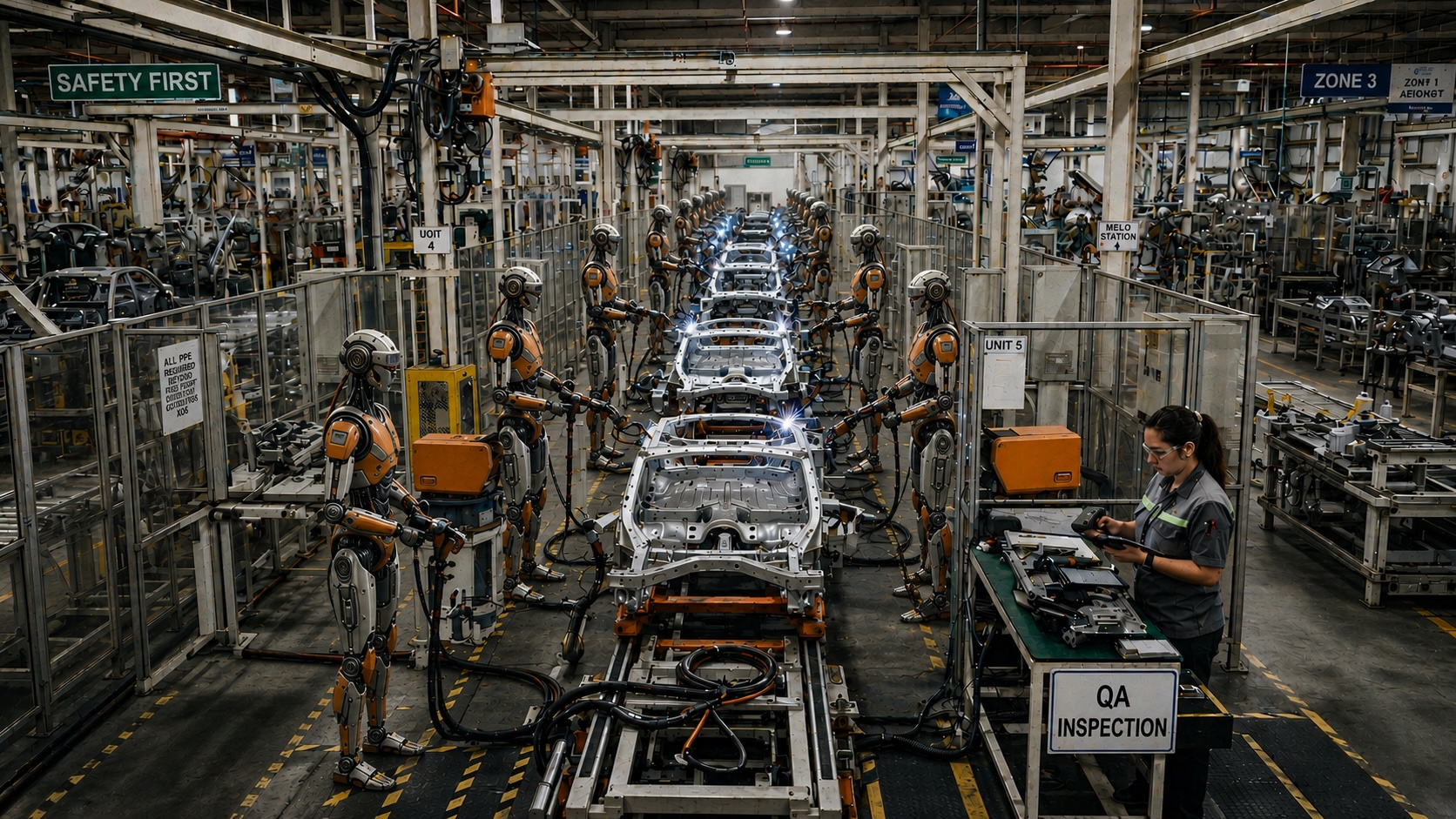
Asimov’s laws are not enough to keep robotics and AI safe
The Asimov reference is a tell—regulators and the public are still reaching for sci-fi metaphors while real systems ship into factories, streets, and homes. If you deploy robotics or AI at the edge, expect more granular, domain-specific safety rules rather than one-size-fits-all principles.
 Applied AI
Australia Senate Requests OpenAI, Anthropic CEOs Face AI Inquiry
National security incidents are now a trigger for direct scrutiny of foundation model vendors, not just local integrators. If you're deploying third-party AI into government or critical systems, assume your vendors and your own implementation choices may both be pulled into formal inquiries.
 Applied AI
"As a Language Model": Chat Template Switches LLM Self-Referential Voice
The fact that a simple chat template change can flip an LLM’s self-referential behavior underscores how much control lives in prompt scaffolding, not just weights. Teams deploying assistants at scale should treat system prompts and templates as governed artifacts with versioning, review, and policy baked in.
Ruby on Rails creator declares 'pencils down' on handwritten code
A production SaaS shop saying it's "done writing code by hand" is a cultural line in the sand—AI-first development is no longer a lab demo, it's a declared default. If you're still treating AI coding as an experiment, assume your competitors are already optimizing around review and integration, not raw typing.