
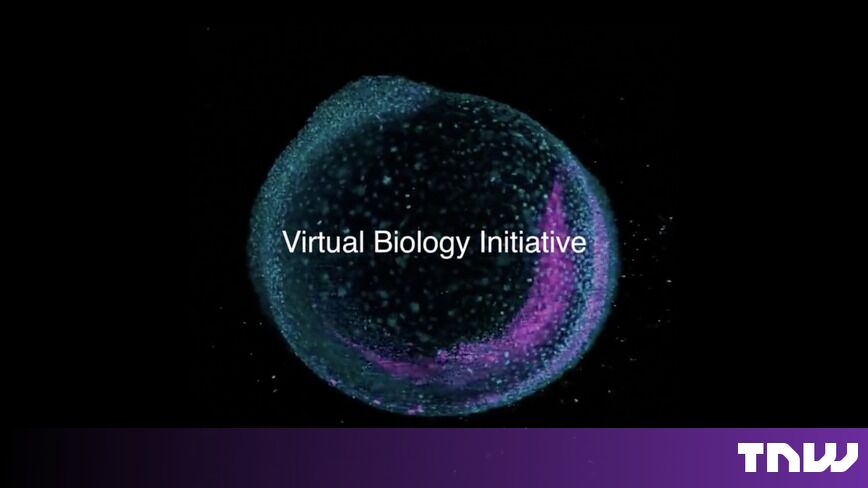
Biohub, Meta, Google DeepMind and the US pool $1.8bn for AI biology data
THE SO WHAT
Pooling $1.8 billion into cell-behavior data is an infrastructure move — it creates a shared substrate for AI-first biology the way ImageNet did for vision. Biotech and pharma operators should assume that competitive edge will tilt toward those who can plug into and extend these shared datasets, not those hoarding small proprietary silos.
READ THE SOURCE
MORE FROM THE WIRE
 Deep & Emerging Tech
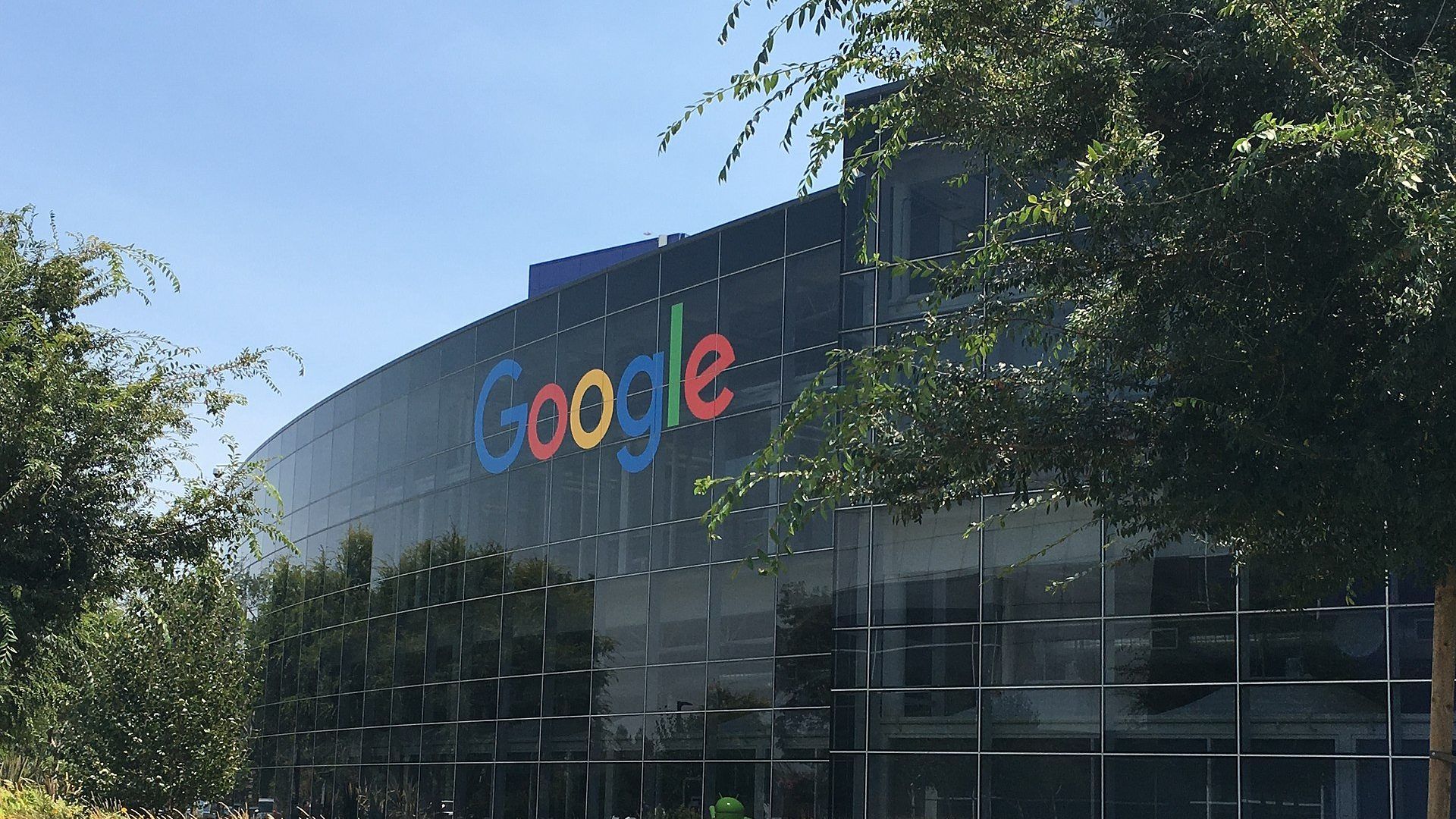
Google signs billion-dollar deal to expand nuclear power capacity at multiple US plants
A 20-year, billion-dollar deal to uprate nuclear plants for 13 states makes clear that hyperscalers now treat zero-carbon baseload as core infra, not ESG marketing. If you rely on cloud or run large AI workloads, start tracking your vendors’ power mix and long-term PPAs as closely as you track GPU roadmaps.
 Deep & Emerging Tech
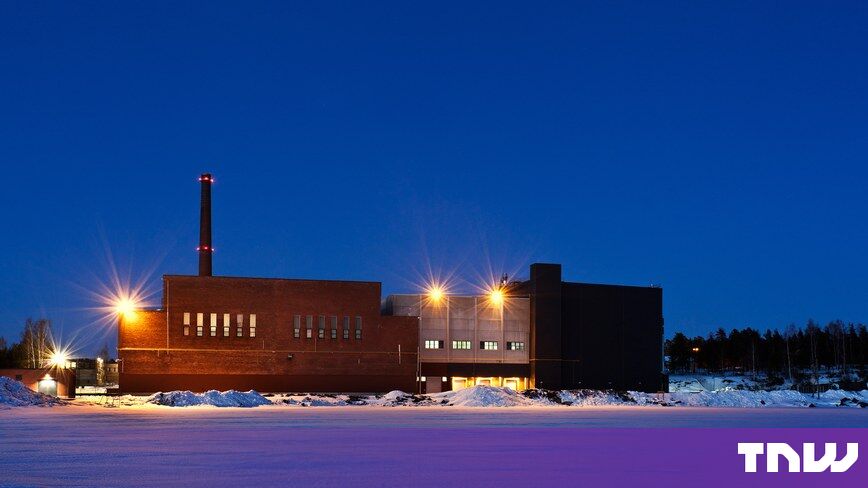
Finland orders Google to stop clearing forest at two data centre sites
Finland halting forest clearing at two Google data center sites shows that environmental permitting — not just power and chips — can bottleneck AI infra buildout. If you’re planning large-scale compute, map local land-use and regulatory risk as a first-class constraint, not an afterthought.
 Deep & Emerging Tech
VPN threat protection vs. dedicated antivirus: Are VPNs really enough?
The VPN-vs-antivirus debate is a reminder that bundled “threat protection” often leaves real gaps compared to dedicated endpoint security. Security leads should audit what their VPN actually inspects and controls — and not assume it replaces a proper EDR stack.
Deep & Emerging TechConstellation Brands Down on Earnings; Intel Up on Terafab | Stock Movers
Intel trading up on Terafab news — in the same breath as routine consumer earnings — is another data point that capital markets are re-rating semiconductor manufacturing as a core growth story. If you’re planning AI-heavy products, assume foundry and packaging capacity, not just GPU availability, will influence your cost and timing over the next 3–5 years.