
Braidwell's Karnal on How AI Can Impact Bioscience
THE SO WHAT
When a specialist fund like Braidwell bakes AI into its thesis for medicines, devices, and tools, it’s a signal that drug discovery and clinical development timelines are being repriced. Healthtech and biotech operators should assume investors will now ask where AI sits in your pipeline efficiency story, not if it does.
READ THE SOURCE
MORE FROM THE WIRE
 Deep & Emerging Tech
Bond jitters, AI demand and tariff threats. Inside the new darling of the hard-asset trade: copper.
Copper’s record and a ~20% August ETF spike tie AI buildout, grid upgrades, and trade risk into one constraint—electrification metals. If your roadmap assumes cheap, abundant power and cabling, start treating copper price and supply as a planning variable, not background noise.
 Deep & Emerging Tech
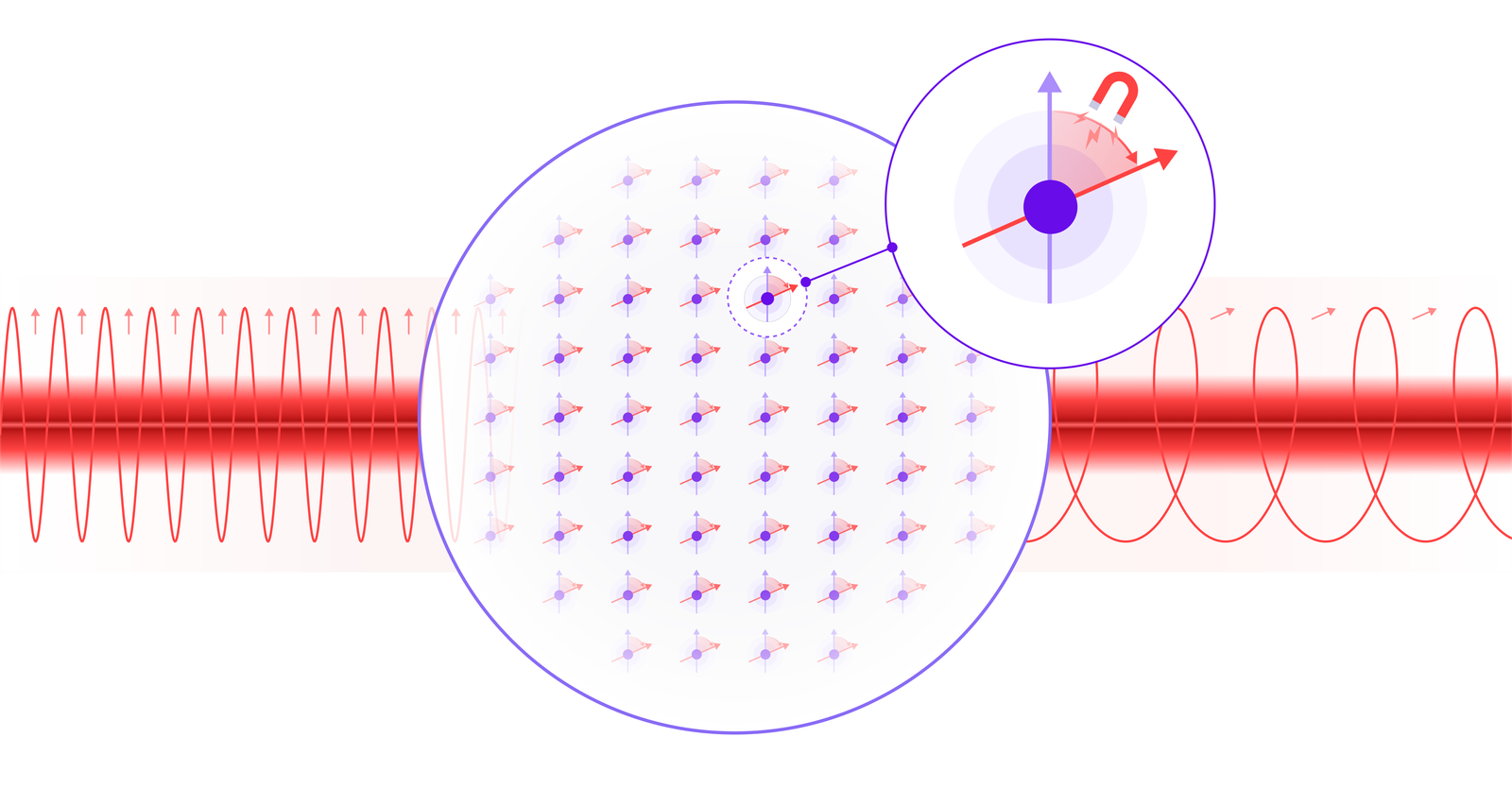
Q-CTRL Demonstrates GPS-Free Quantum Gravimetric Navigation Demonstration in Maritime Field Trial
Quantum gravimetric navigation working on a real vessel moves GPS-free positioning from lab curiosity toward operational tech. Any operator with GPS-denied risk—defense, offshore, critical logistics—should start mapping where a second, independent nav stack would change resilience planning.
 Deep & Emerging Tech
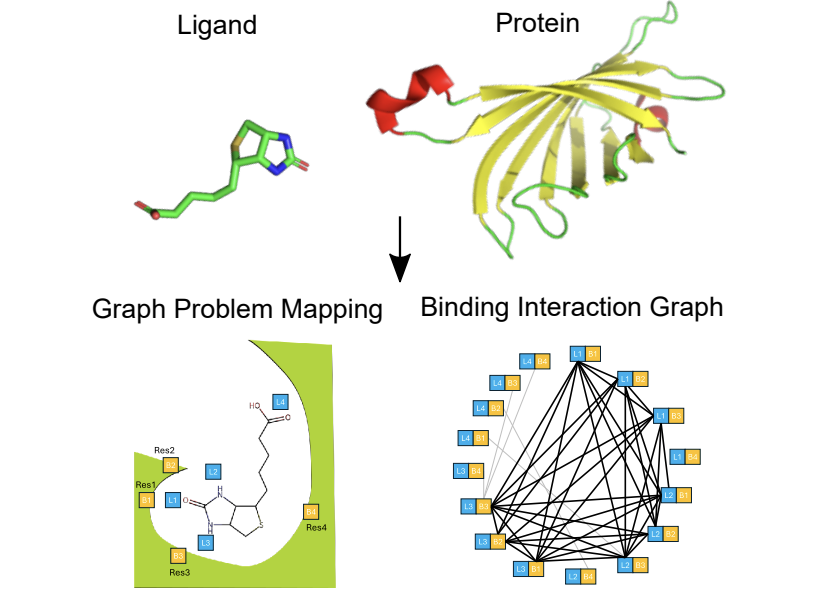
Researchers Use IBM Quantum Computer to Test Drug-Docking Method
Hybrid quantum-classical docking on today’s NISQ hardware is an early but concrete step toward quantum in drug discovery workflows. Pharma and biotech teams don’t need to retool yet, but it’s time to identify which in-house algorithms could benefit from quantum acceleration within a 5–10 year horizon.
 Deep & Emerging Tech
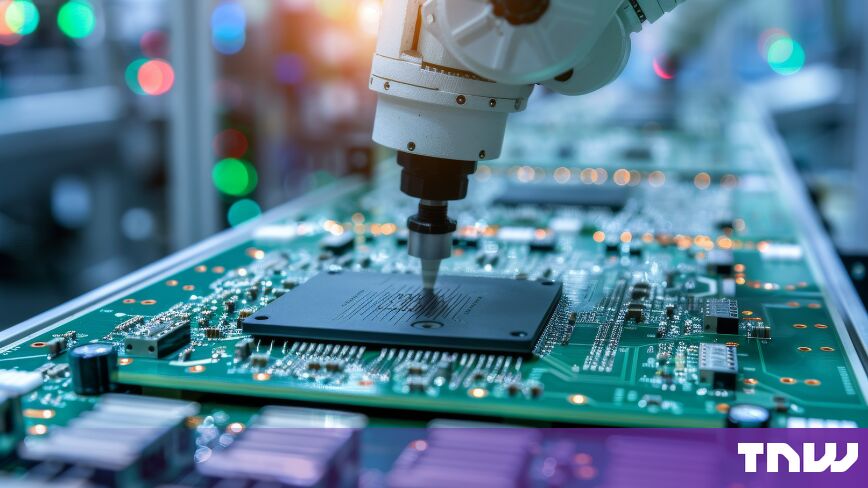
What the US semiconductor tariff does and does not currently touch
A 25% tariff on advanced semis with a provisional carve-out for data center-bound AI chips is a timer, not a free pass—the exemption can be revised once Commerce reports back. Chip buyers and AI infra planners should scenario-plan for that carve-out narrowing and what it would do to cost curves and sourcing.