
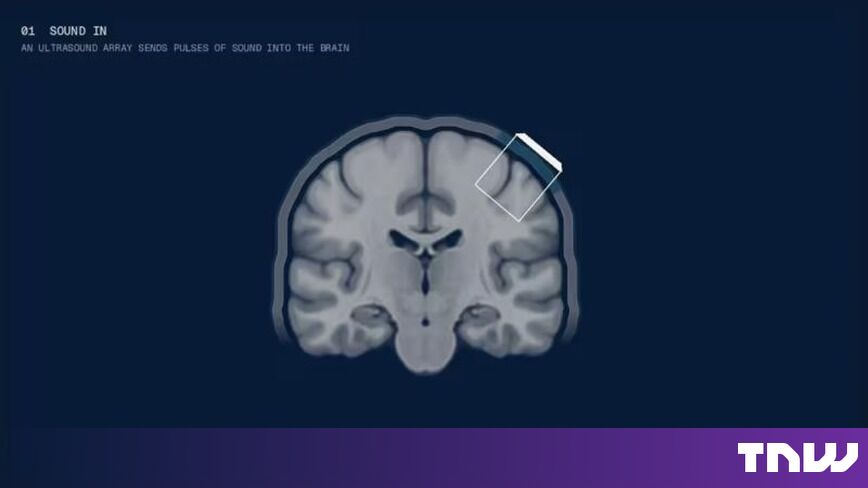
Bridge Neurotech raises $13.5M to read brains with ultrasound, no implant
THE SO WHAT
Non-invasive, ultrasound-based BCI that avoids surgery moves brain interfaces from sci-fi and niche medicine toward a broader device category. If your product touches neuro, mental health, or high-stakes UX, this is an early signal to start mapping regulatory, privacy, and consent models for neural data before consumer-grade readouts arrive.
READ THE SOURCE
MORE FROM THE WIRE
 Deep & Emerging Tech
Family-owned Weaver Bros. of Alaska sells off majority stake in business
A family-owned Alaska carrier selling a majority stake to Afognak Commercial Group to deepen energy and logistics exposure shows consolidation pressure even at regional edges of the supply chain. If you rely on niche transport partners, revisit concentration risk and pricing assumptions as more of these assets roll into larger portfolios.
 Deep & Emerging Tech
Owkin alum raises $25m seed to build world model for human cells
A $25M seed for a cellular “world model” is another data point that foundation-model logic is moving into wet biology. If you’re in drug discovery or tools, assume preclinical search space is going to be increasingly model-first and start mapping where your proprietary data actually compounds.
 Deep & Emerging Tech
Federal Quantum Readiness Falls Short as Agencies Face Cryptography Skills Gaps
GAO finding that none of 24 major federal agencies have fully prepped for post-quantum cryptography is a clear lag indicator—public systems will be vulnerable longer than the math requires. If you run critical infrastructure or handle regulated data, don’t wait for federal timelines; start inventorying crypto dependencies and lining up PQC migration plans now.
Deep & Emerging TechApollo’s Wassenaar Sees Underinvestment Risk in AI Buildout
When an infra allocator that just deployed $20B+ in a quarter says AI buildout may be underinvested, the constraint is shifting from capital availability to project origination and execution. Operators depending on external AI capacity should treat power, gas processing, and data center lead times as strategic risks, not background assumptions.