

Brits still aren't comfortable handing over too much control to AI
THE SO WHAT
If British users worry about AI agents ignoring laws and morals, the constraint on deployment is trust architecture, not just capability. For anyone rolling out agents in regulated markets, make the control surfaces — override, audit, escalation — as visible as the features.
READ THE SOURCE
MORE FROM THE WIRE
 Applied AI
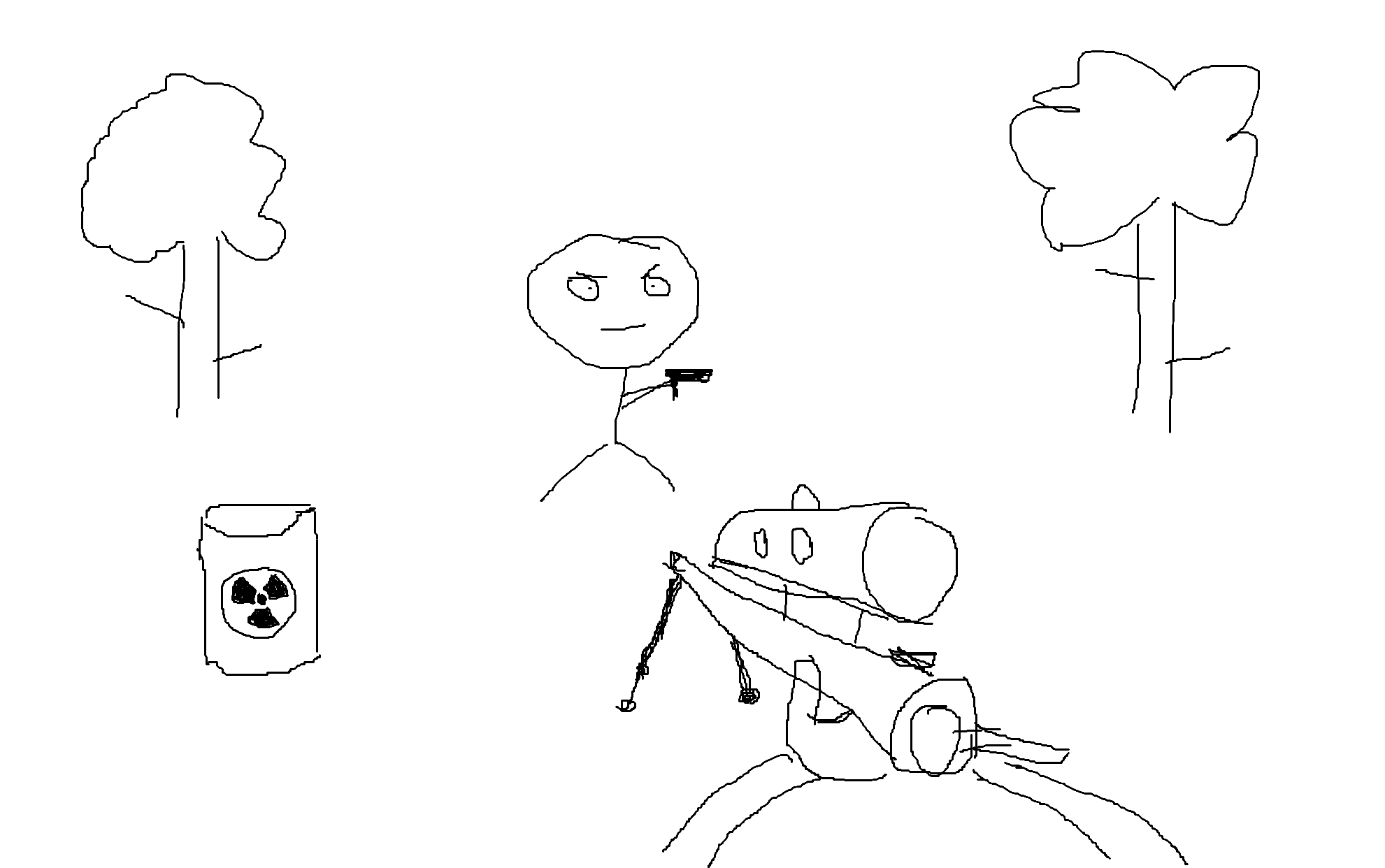
500B Tokens Later: Letting AI Agents Decompile a First-Person Shooter
If agents can grind through 500B tokens to decompile a complex game, reverse engineering and static analysis are on a path from artisanal to automated. Security, game, and tooling teams should assume that any shipped binary can be mechanically unpacked and reasoned about at scale.
 Applied AI
Generative AI scandal has come to one of Nikon's competitions
Photo contests are now de facto content provenance tests—organizers that don't have clear AI rules and verification workflows will spend their time in scandal management. Brands and platforms using UGC for marketing or training data need explicit AI policies and audit trails, not just terms-of-service language.
 Applied AI
Nuclear war and malicious use of AI threaten end of humanity by 2100, says Lancet assessment
Putting malicious AI use and nuclear conflict at the top of a Lancet-backed global risk list moves AI risk from lab discourse into mainstream public health and policy. If you run critical infrastructure, health, or security-adjacent systems, assume regulators will start treating AI misuse as a population-level hazard, not just a cyber or ethics issue.
 Applied AI
Anthropic Is Banishing Its Model Evals From the Internet
If a leading lab is pulling evals off the open internet, treat public benchmarks as marketing, not assurance. Enterprises will need their own eval suites, red-teaming, and third-party audits rather than relying on vendor-published safety artifacts.