
BTQ Signs Three-Year Deal to Bring Post-Quantum Security to Kaia DLT Foundation
THE SO WHAT
Post-quantum security moving from pilots to a three-year commercial deal on a live DLT network is a sign that “crypto-agility” is becoming an operational requirement, not a research topic. If your product has a long data or asset lifetime, you should at least map where quantum-vulnerable cryptography sits in your stack and what a migration path could look like.
READ THE SOURCE
MORE FROM THE WIRE
 Deep & Emerging Tech
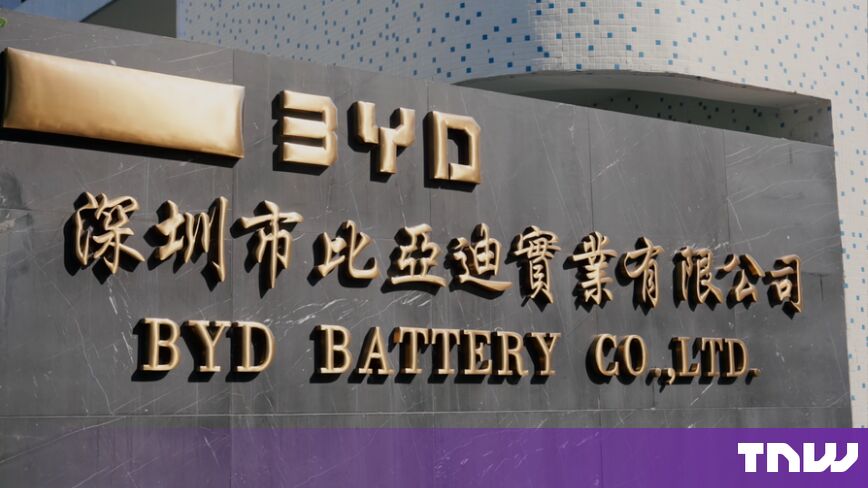
BYD says it will have a solid-state car next year, the earliest date anyone has given
If BYD actually ships a solid-state EV a year ahead of Toyota’s 2027–2028 target and well before others’ 2030+ timelines, range, safety, and cost expectations for mid-decade vehicles reset. Auto and fleet operators should start scenario-planning around faster battery performance curves — and the knock-on effects on charging infra, residual values, and competitive positioning.
 Deep & Emerging Tech
Privacy Crypto Wallet Is Bringing Anonymous Payments to Stablecoins. Will Regulators Allow It?
Anonymous stablecoin payments collapse one of the main tradeoffs regulators have tolerated — price-stable crypto in exchange for traceability. If this sticks, expect sharper policy responses and higher compliance expectations for any product touching stablecoin rails, even if you’re not offering privacy features yourself.
 Deep & Emerging Tech
Apple patches CoreGraphics zero-day used in 'extremely sophisticated' targeted attacks on iOS devices
An "extremely sophisticated" CoreGraphics zero‑day across iOS and iPadOS is a reminder that mobile fleets are now high‑value espionage targets, not just endpoints. If you manage corporate iOS devices, treat this like an incident—enforce rapid patching and review your mobile threat model this week.
 Deep & Emerging Tech
After losing his voice to cancer, this founder is building “glasses for voice”
Voice‑restoration "glasses" that aim to carry emotion, not just words, show how assistive tech is moving from utility to identity. Healthcare and device partners should see this as a wedge into a broader category of emotionally aware wearables, not a niche medical device.