
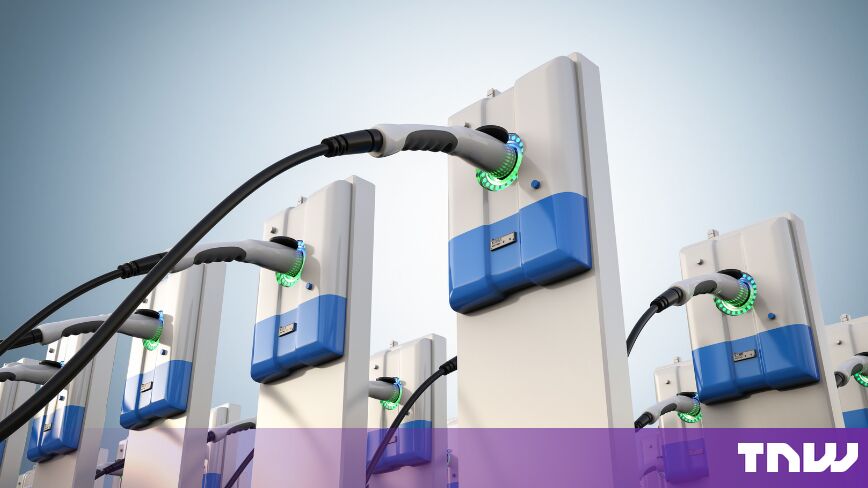
California is paying up to $100,000 a port for public EV fast charging
THE SO WHAT
California’s $28M program paying up to $100,000 per DC fast-charging port—tilted toward >275kW hardware—shows policy still chases peak power over actual utilization. If you’re building charging networks, optimize site design for plug count and dwell time economics, then layer incentives on top rather than letting them dictate architecture.
READ THE SOURCE
MORE FROM THE WIRE
 Deep & Emerging Tech
We Have Entered a Cybersecurity Hellscape, Japan Warns
If a G7 government is publicly calling the threat environment a "cybersecurity hellscape," assume your own attack surface is already being probed by the same actors. Raise the bar on logging, backups, and incident response this quarter—treat ransomware and data exfiltration as when, not if.
 Deep & Emerging Tech
Feds Say Ransomware Expert’s Miracle Cure Was Just Paying the Hackers
The alleged scheme—charging victims millions while quietly paying attackers a fraction—shows how opaque the incident-response market can be under pressure. Boards should demand clear playbooks and disclosure on whether vendors negotiate with attackers, because that choice reshapes your risk, reputation, and future targeting.
 Deep & Emerging Tech
Nik Storonsky wants Revolut to be Europe’s answer to Meta and Google
Revolut’s ambition to grow from fintech into a full-stack consumer tech giant shows how European scale-ups are trying to escape narrow regulatory boxes. If you’re a European operator, this is a cue to design products and orgs for cross-vertical expansion early—waiting until after IPO may be too late to re-architect.
 Deep & Emerging Tech
Satellite radar tech startup Kapta Space raises $24M from Bill Gates-backed fund and defense investors
Low-cost, software-defined radar payloads backed by defense and Gates-linked capital show that high-resolution, all-weather sensing is becoming a default layer of the security stack. If your business depends on physical assets—ports, energy, logistics—assume persistent orbital sensing will soon be cheap enough to monitor them continuously.