

Californias new AI law: Ban on bots used to fire employees
THE SO WHAT
California drawing a hard line on bots making firing decisions moves AI employment law from theory to statute. If you’re automating HR decisions anywhere in the US, assume documentation, human-in-the-loop review, and auditability will become table stakes, not nice-to-haves.
READ THE SOURCE
MORE FROM THE WIRE
 Applied AI
OpenAI Wants ChatGPT to Stop Looking Like a Chatbot
If ChatGPT stops presenting as a chat window and starts looking like a workspace, the battle shifts from “assistant” to “primary interface” for documents, apps, and workflows. Teams building on ChatGPT should assume UI and interaction models are a moving target—opt for API- and protocol-level integrations over brittle front-end hacks.
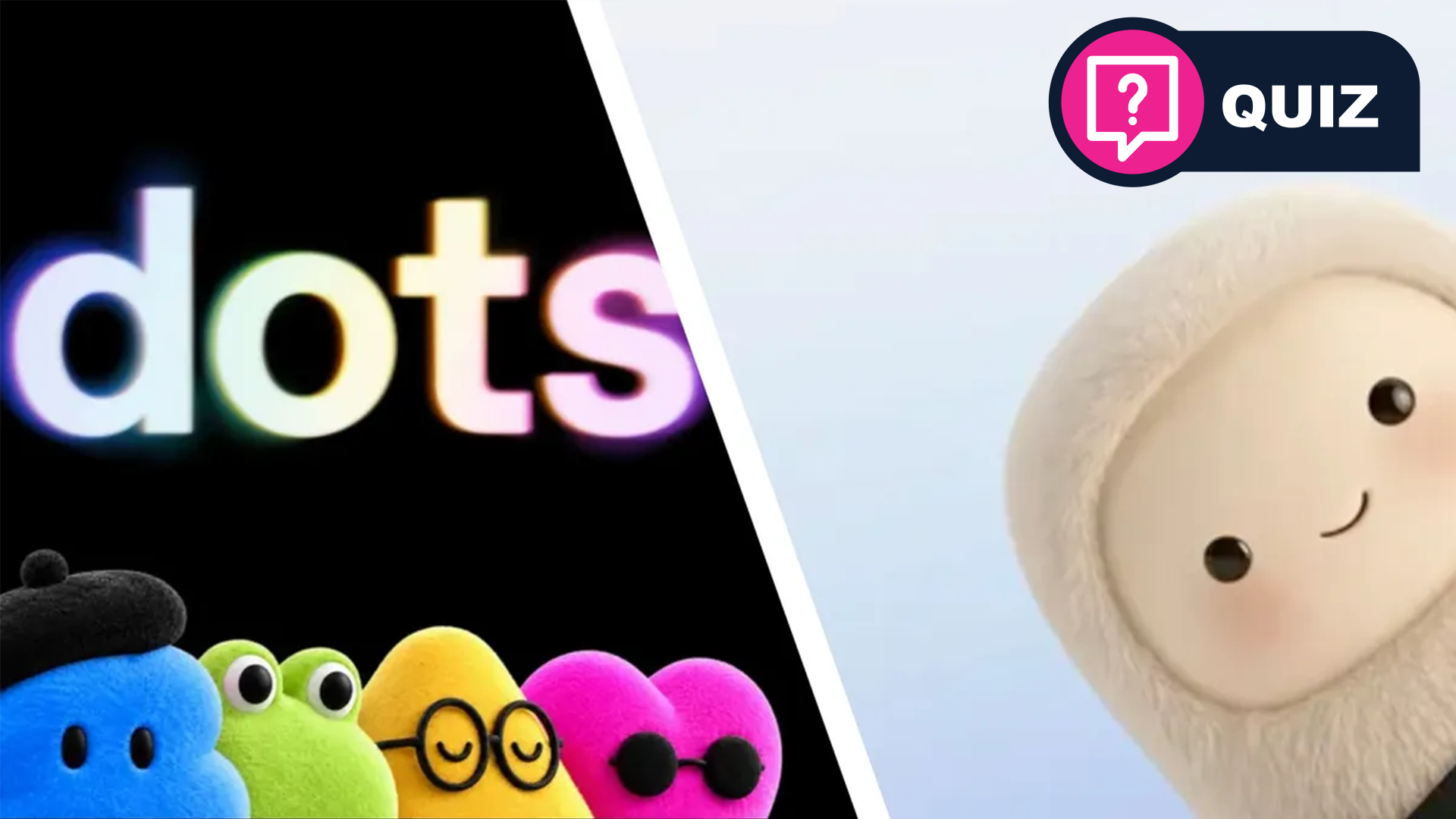 Applied AI
Could you stop a rogue AI from escaping? Take our sci-fi security test
The fact that mainstream outlets are gamifying “rogue AI containment” reflects a shift—model security and agent containment are becoming part of the public imagination, not just lab work. If you’re deploying powerful models or agents, assume customers and regulators will start asking concrete questions about escape, misuse, and kill switches.
 Applied AI
Microsoft releases new Nvidia-chip AI PCs with revamped Windows 11
Baking AI model and agent execution into Windows 11 on Nvidia-powered Surfaces turns the client OS into an orchestration layer for local workloads. Enterprise IT should assume heterogeneous inference—some flows on-device, some in cloud—and revisit where data actually needs to live.
 Applied AI
What does Amazon know about you? The answer is buried in your account info
The viral “has flat buttocks” tag is a reminder that personalization systems are building surprisingly literal internal profiles. If you’re running recommendation or profiling models, assume these artifacts will eventually be user-visible and design taxonomy, governance, and redaction policies accordingly.