

Can a Drone Stop an Active Shooter? Brecourt Solutions Thinks So
THE SO WHAT
Using drones as first responders in active shooter scenarios shifts school and workplace security from static defenses to dynamic interception—airborne sensing and engagement compress response times in ways human teams alone cannot. Early signal: if regulators and insurers bless this pattern, facilities will start budgeting for autonomous security stacks, not just cameras and guards.
READ THE SOURCE
MORE FROM THE WIRE
 Robotics & Autonomy
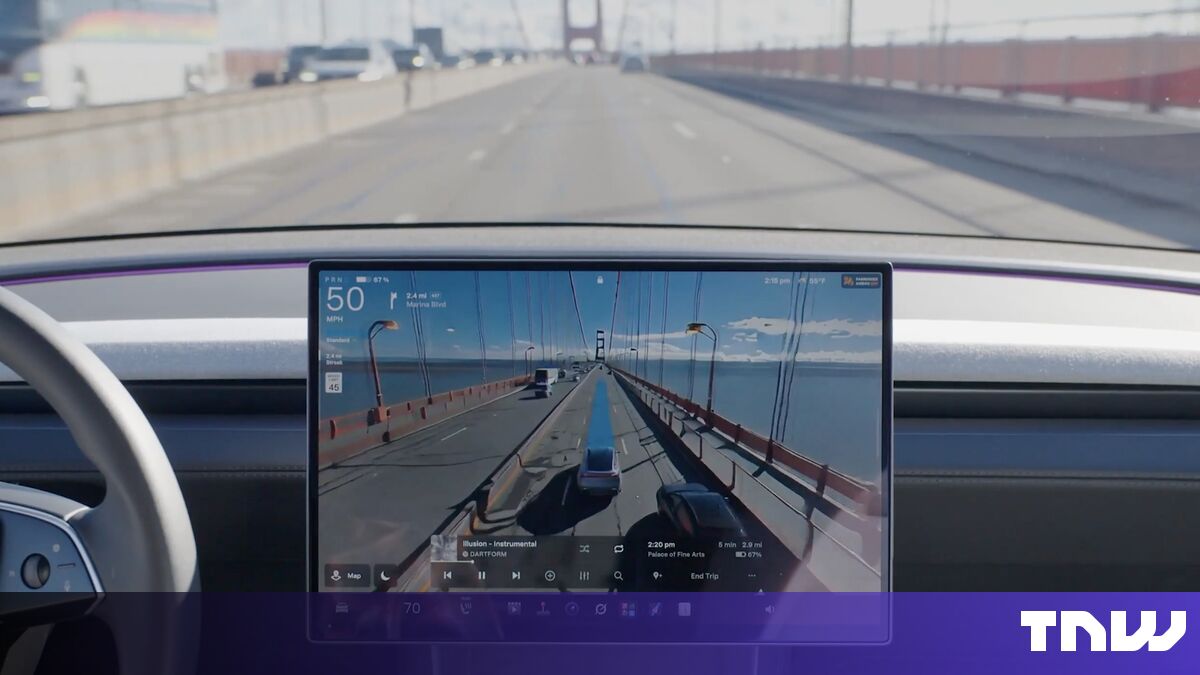
Tesla’s FSD v15 adds Reality View, a live AI-generated view of the road
If Tesla’s claim of 25x better handling of safety-critical cases holds up in the wild, regulators and competitors will be forced to recalibrate their benchmarks for end-to-end driving systems. For operators, the takeaway is that perception UX — like Reality View — is becoming part of the safety and trust stack, not just a cosmetic feature.
 Robotics & Autonomy
UN talks fail to agree rules for ‘killer robots’ and push the issue to 2028
Kicking lethal autonomous weapons rules to 2028 effectively gives defense and dual-use autonomy programs a multi-year regulatory vacuum to operate in. If you’re building autonomy that could have military applications, assume higher near-term demand but also rising reputational and export-control risk — governance will arrive, just on a lag.
Satellite images capture Ukrainian naval drone strike on a Russian warship in Libya, over 1,000 miles away from the war
A Ukrainian naval drone hitting a Russian warship over 1,000 miles from the main theater shows how cheap, remote autonomy is rewriting distance and sanctuary assumptions at sea. Defense, shipping, and port operators now have to treat long-range unmanned systems as a persistent threat surface, not a niche experiment.
 Robotics & Autonomy
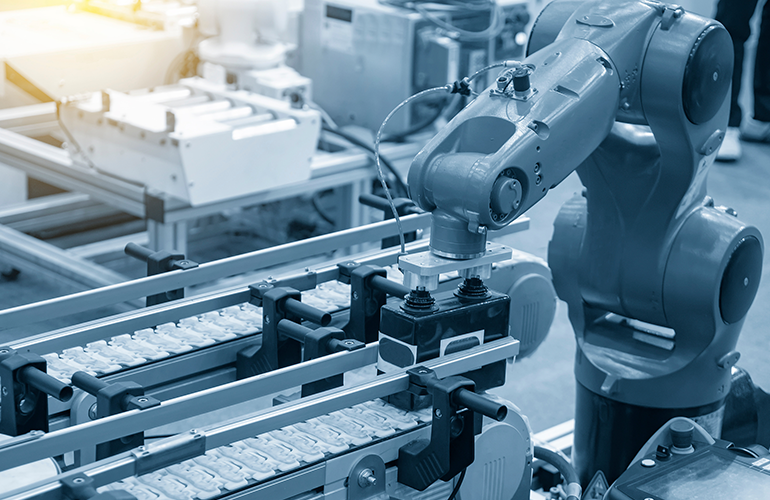
Special Report: Engineering Focus on Motion Control
The focus on motion control and humanoids is a reminder that the next productivity wave comes from coordinating AI with precise actuation, not just better models. If you run physical operations, it’s time to inventory tasks where improved motion control — not full autonomy — could quietly remove a bottleneck in the next 12–24 months.