
Can Kimi K3 Help China Beat US for AI Dominance?: Live Q&A
THE SO WHAT
The Kimi K3 conversation is really about whether China can turn domestic model progress into ecosystem and export power. Western operators with China exposure should be mapping where local AI stacks could become mandatory or de facto standards in your supply chain.
READ THE SOURCE
MORE FROM THE WIRE
 Tech & Innovation
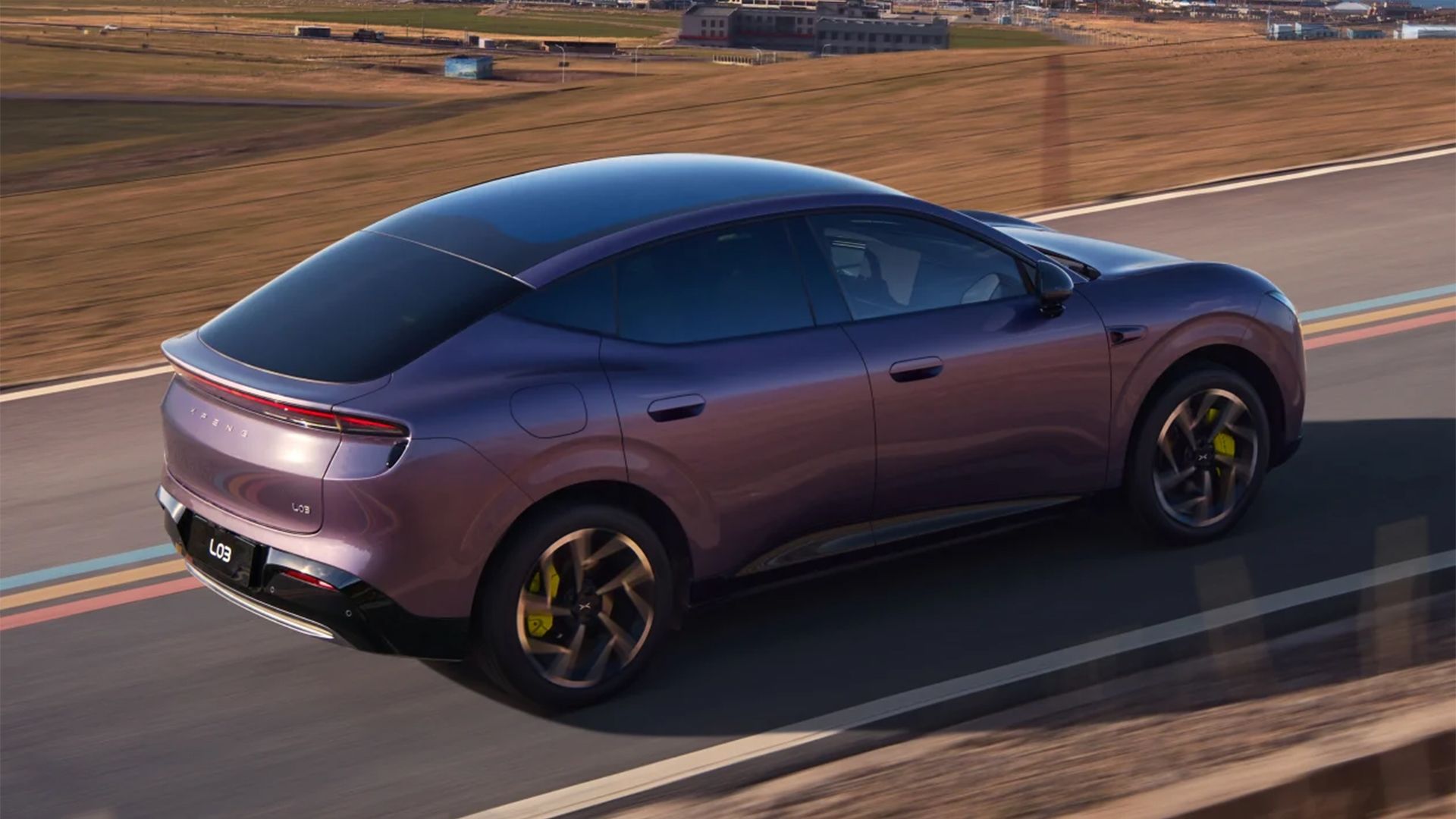
Xpeng claims China is close to making a Tesla Model Y beater — but my experience suggests it'll fall short for two big reasons
EV competition is now about software stack and ecosystem lock‑in more than spec sheets. If a Model Y “beater” still can’t clear those two bars in practice, incumbents have more time to defend with OTA, charging, and service integration than the headline suggests.
 Tech & Innovation
Trump’s latest AI czar has already resigned
A revolving door at the Center for AI Standards and Innovation means federal AI policy will stay reactive and personality‑driven. Operators should not wait for stable US standards — align to emerging de facto norms from cloud providers, major labs, and sector regulators instead.
 Tech & Innovation
Oracle Credit Risk Hits Near 18-Year High on AI Debt Load Angst
Credit markets are starting to price AI capex as a real balance‑sheet risk — Oracle’s default protection hitting an 18‑year high is the tell. If you’re not a hyperscaler, you need a sharper filter on AI infra spend this quarter: shared platforms, opex‑heavy models, and clear payback windows, not vanity clusters.
Tech & InnovationU.S. hits Canada with stiff new tariffs, escalating trade tensions
Cross-border supply chains in autos, dairy, and alcohol just picked up new friction — pricing, lead times, and contract terms are now moving targets. If your inputs or customers touch U.S.–Canada trade, revisit margin assumptions and pass-through clauses this week.