
Carlyle’s Basmadjian on AI Debt Reshaping the Loan Market
THE SO WHAT
If data centers are becoming a distinct source of loan supply, AI infrastructure is turning into a core credit asset class, not just an equity story. CFOs and infra operators should expect more structured debt products around AI buildouts — and more lender scrutiny on utilization, power contracts, and model demand assumptions.
READ THE SOURCE
MORE FROM THE WIRE
 Deep & Emerging Tech
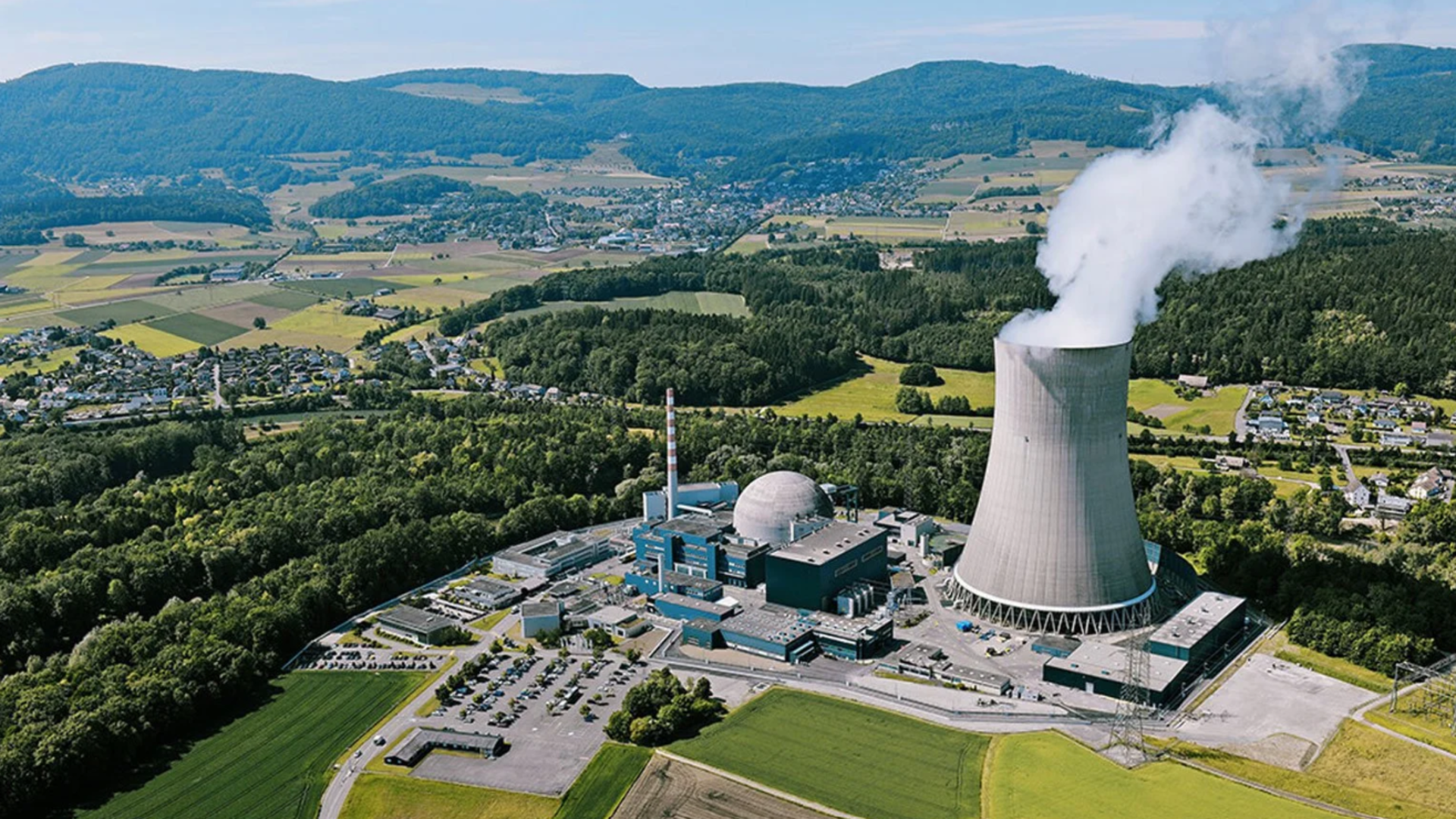
Google invests $15bn in Finland and secures 500 MW power from Soviet-era nuclear power plant till 2050
Google locking in $15B and 500 MW of nuclear power in Finland through 2050 is AI infra as long-dated energy arbitrage. If you’re planning serious model or inference scale, power procurement and jurisdictional risk now sit alongside GPU supply as first-order strategy questions.
 Deep & Emerging Tech
Exclusive: Revolut’s Storonsky hits back in €350m superyacht court case
High-profile founder litigation at this scale turns personal governance into a real commercial risk factor. If you’re selling into or partnering with founder-led fintechs, underwrite key-person and reputational risk the same way you underwrite balance sheet risk.
 Deep & Emerging Tech
The UK's £100 billion data center boom is suffering from a major bottleneck that puts capacity and performance at risk
If £100B of UK data center build is being throttled by cabling and upgrade bottlenecks, the constraint on AI capacity is now installation labor and retrofit design, not just land and power. Operators planning UK footprints should bake in higher costs and longer timelines for physical layer changes — and push colo providers on upgrade roadmaps, not just initial specs.
 Deep & Emerging Tech
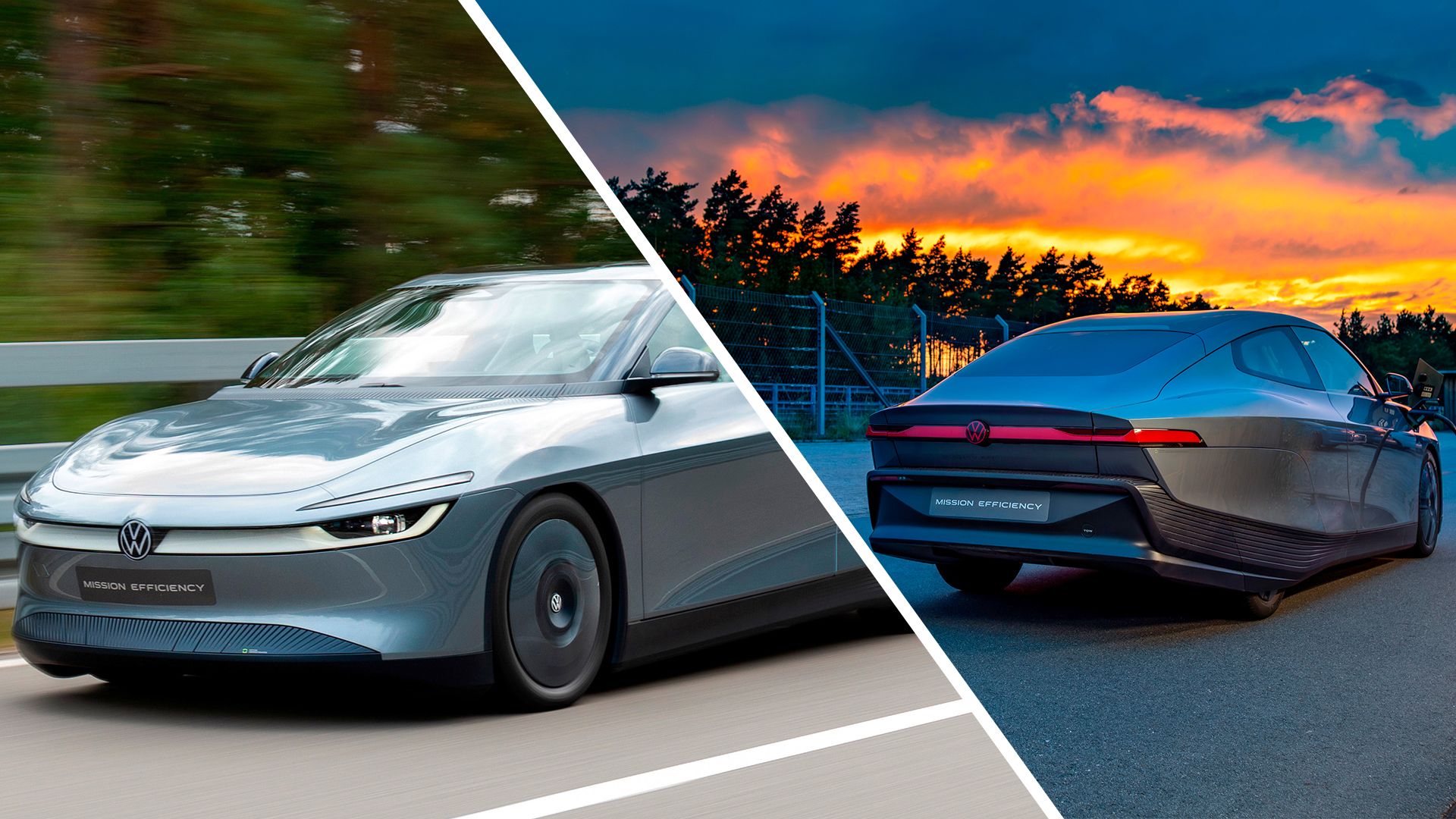
Volkswagen sets three EV world records over 794-mile road trip in ‘most efficient near-production’ car — and it could be the battery breakthrough that EVs need
VW using a near-production car to set efficiency records over 794 miles is a bet that software, aerodynamics, and pack design can beat simply stuffing in more kWh. Fleet and OEM planners should model scenarios where range gains come from efficiency improvements — which change charging network needs and total vehicle cost curves — rather than waiting on step-change battery chemistries.