
Cerebras unveils CS-4, a server rack powered by three WSE-3 Turbo chips and built around its new Nexus architecture, with first shipments starting this quarter
THE SO WHAT
A full-rack CS-4 built around WSE-3 Turbo and Nexus is Cerebras saying “we’re not just a chip, we’re a system SKU” — that’s how you get into serious RFPs. If you’re GPU-constrained, it’s time to benchmark at the rack level, not the chip level, and pressure your infra team to model non-GPU architectures.
READ THE SOURCE
MORE FROM THE WIRE
 Applied AI
Rent a supernode by the hour - Alibaba brings frontier-scale AI compute to the public cloud, but only if you live in this remote Chinese province
Frontier-scale AI compute rentable by the hour on Chinese silicon — but geographically constrained to a remote province — shows how AI capacity is becoming both more accessible and more location-bound. If you operate in or near China, start mapping where your compliant, high-end training runs can physically live, not just which cloud logo you use.
 Applied AI
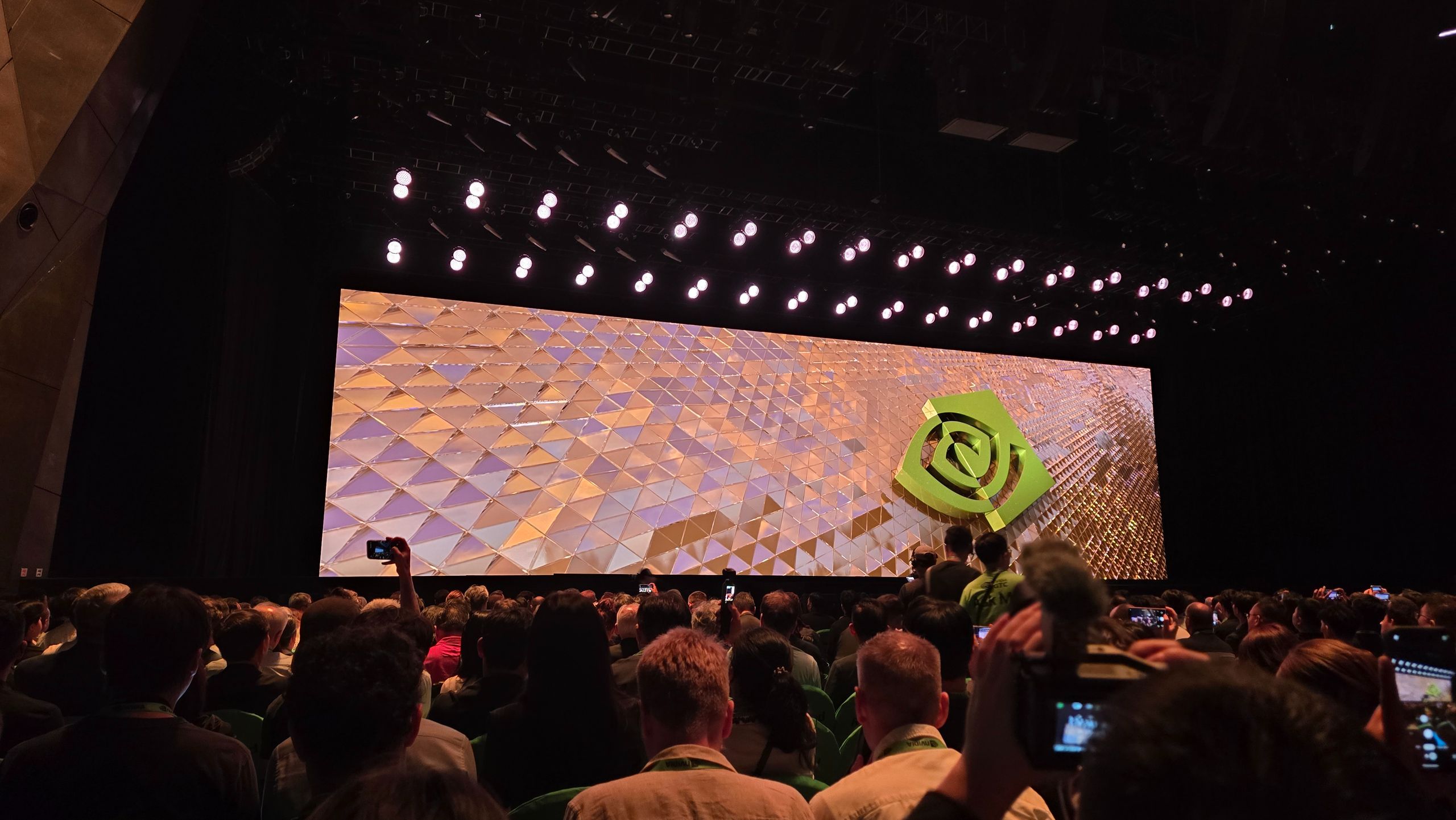
Nvidia wants to stop AI costs skyrocketing with its new software router — but will it really make a difference?
When a software router is marketed as cutting AI costs by 74% but partners can’t validate the edge over just using cheaper models, you’re seeing the limits of infra-only optimization. Treat these claims as upside, not baseline — the real savings still come from model choice, pruning, and workload design.
 Applied AI
Cerebras (CBRS) Says Its New Computer Boosts AI Speed Advantage Over Nvidia
Cerebras pitching a faster full “computer” versus Nvidia gear is a shift from chip specs to wall-clock outcomes — training time, throughput, and TCO. If you’re planning multi-year model programs, you now have a credible alternative to at least model in your infra roadmap, especially for large, dense workloads.
Applied AICerebras’s stock has been a post-IPO bust. Its comeback hinges on this new chip.
A public-market overhang forces Cerebras to prove that specialized wafers beat GPUs as agentic workloads scale — not in theory, but in booked contracts. For buyers, that pressure is leverage: push for aggressive pricing and clear performance SLAs before you bet on a non-GPU architecture.