
China Envisions AI, Karaoke and Coffee at Cinemas
THE SO WHAT
Cinemas in China are being steered toward multi-use, AI-enhanced venues — agents, karaoke, coffee — turning underutilized real estate into always-on entertainment and services hubs. If you build consumer AI or payments, treat theaters as an emerging high-footfall channel, not just a screen in the dark.
READ THE SOURCE
MORE FROM THE WIRE
 Applied AI
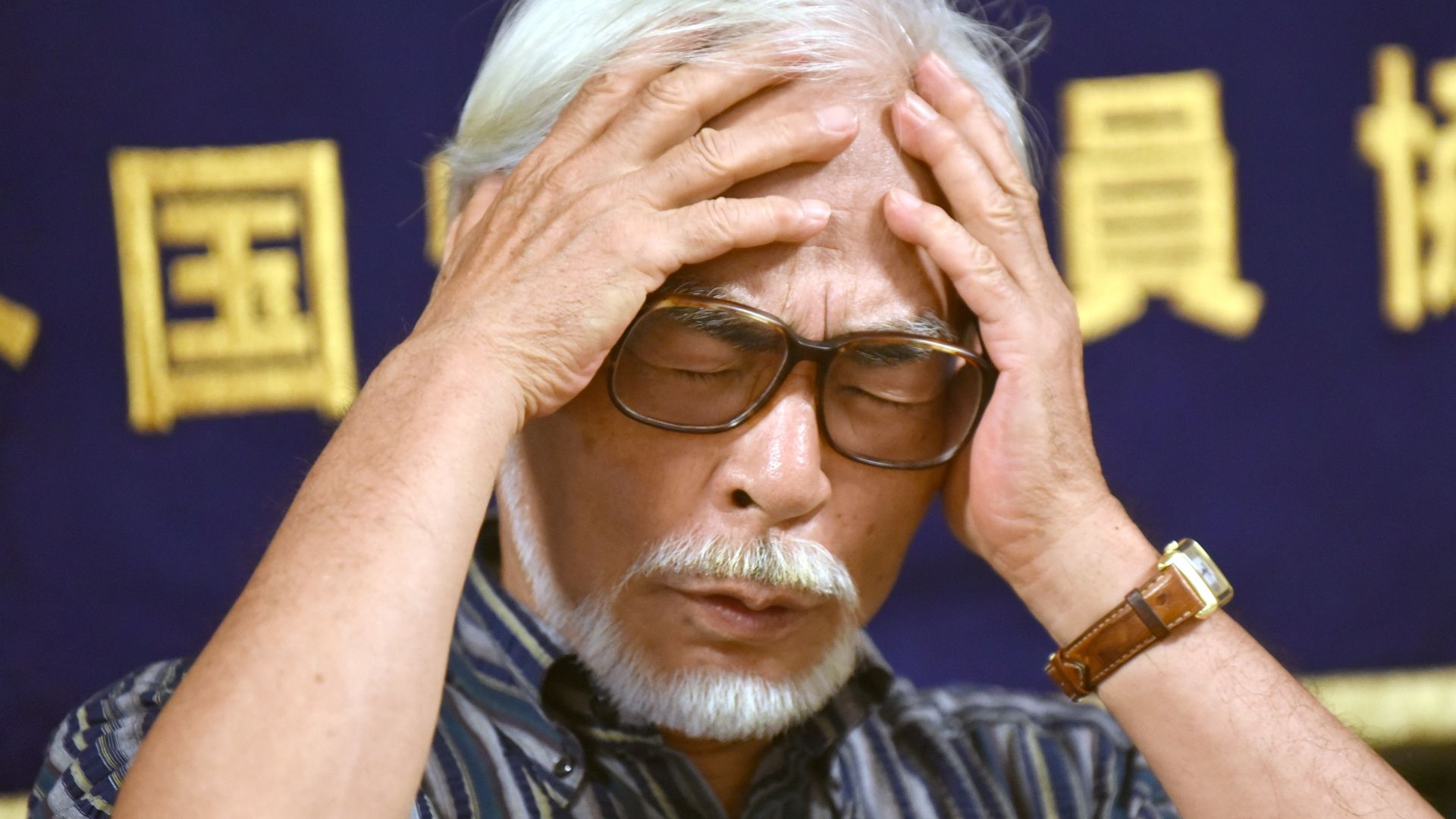
Quote of the day by Studio Ghibli co-founder Hayao Miyazaki on AI: "I strongly feel that this is an insult to life itself" — decrying the rise of machine-made art
When someone with Miyazaki’s cultural weight calls AI art an “insult to life,” it hardens a values-based line that no amount of model quality will cross. Creative-tool builders should plan for a split market—one segment leans into AI-native workflows, another demands provenance and human-only pipelines.
 Applied AI
The only AI glossary you’ll need this year
If your exec team still needs a glossary to parse vendor decks, you’re at an information disadvantage in negotiations and roadmap debates. Use resources like this as a baseline, then standardize definitions internally so “agent,” “context window,” and “fine-tune” mean the same thing across product, legal, and finance.
 Applied AI
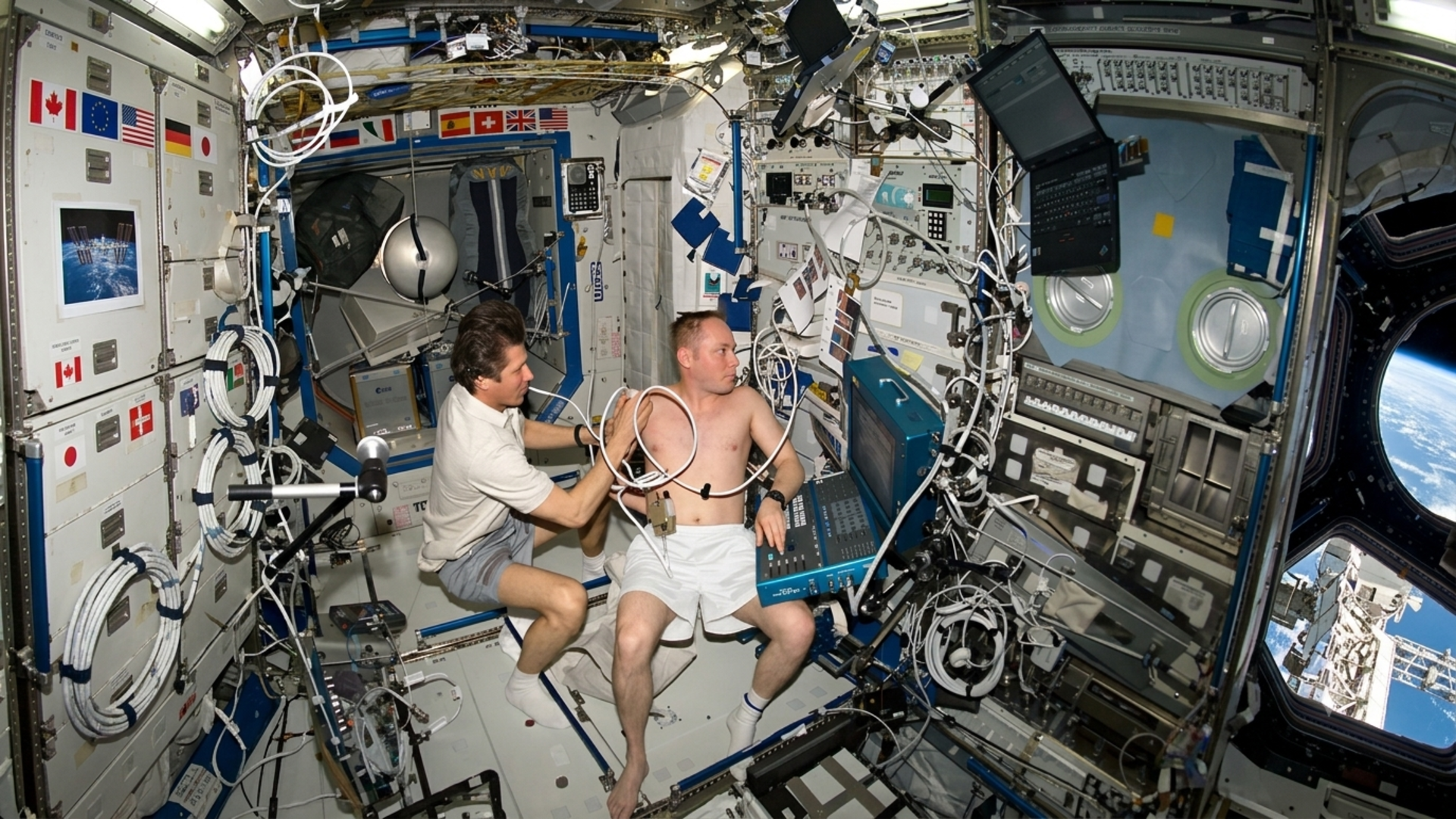
NASA and Red Hat are building an open source medical system to diagnose sick astronauts on the ISS — could a Star Trek Tricorder be next?
NASA and Red Hat treating an offline AI medical assistant as open source infrastructure is a template for safety-critical AI in constrained environments. If you operate in remote, low-connectivity, or regulated settings, assume the bar is moving toward verifiable, inspectable AI systems rather than opaque SaaS APIs.
 Applied AI
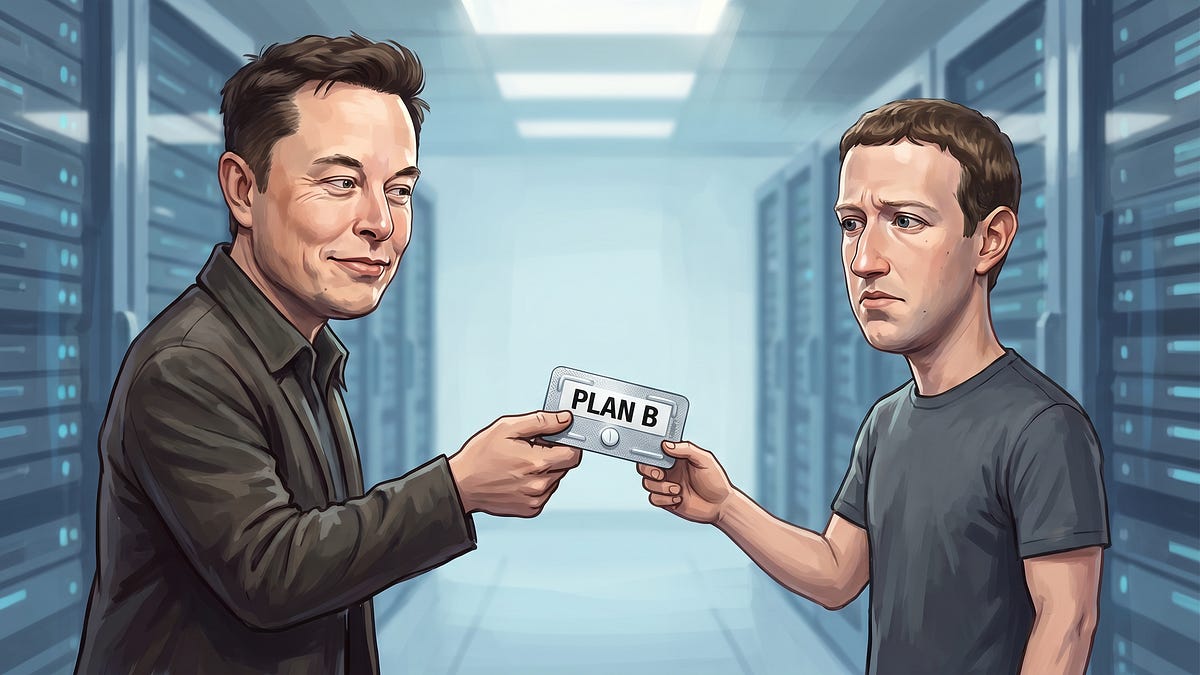
Meta could use its compute for its own models, ad scaling, SpaceX-like neocloud deals, and hosting 3rd-party models; it may be close to an Anthropic deal
If Meta starts selling excess compute and hosting third-party models — potentially including Anthropic — it shifts from pure AI consumer to horizontal infra provider. For operators, that means more leverage in cloud and model negotiations, but also a more complex decision: whose ecosystem do you want to be strategically dependent on over the next 3–5 years.