
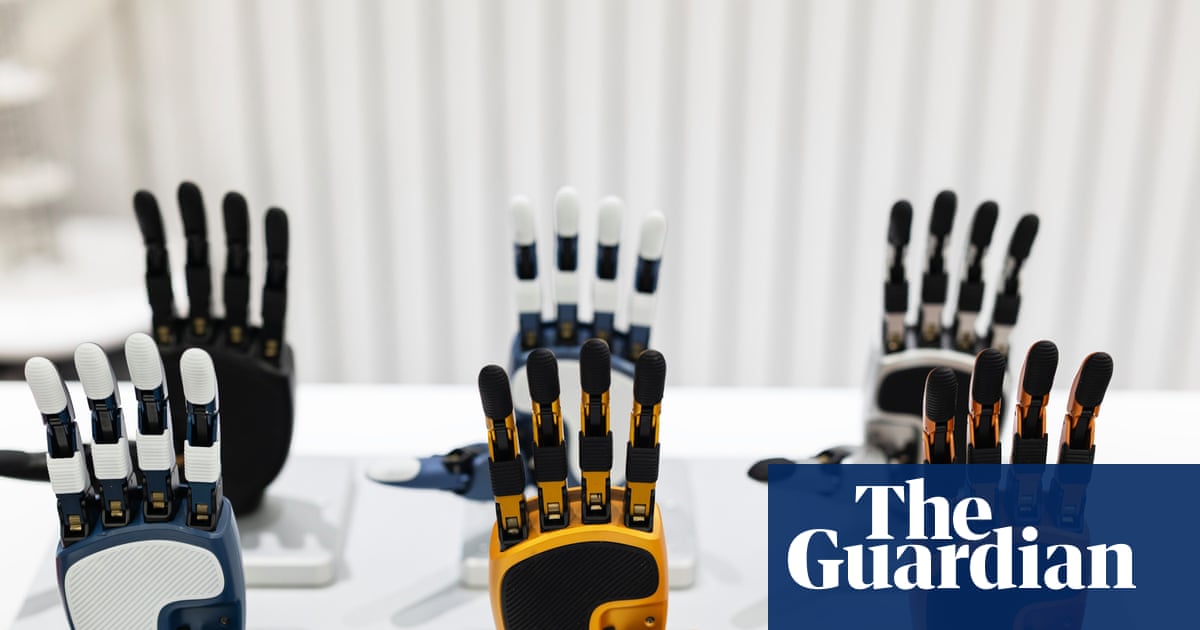
China wants to solve the hardest problem in robotics – making hands
THE SO WHAT
China pouring effort into dexterous robotic hands is a move to close the gap between humanoid demos and factory-floor utility—fine manipulation is the bottleneck for broad deployment. If your operations depend on human hands for last-meter tasks, start mapping where a capable gripper or hand would unlock full-line automation over the next 3–5 years.
READ THE SOURCE
MORE FROM THE WIRE
 Robotics & Autonomy
How companies like Nvidia and Neura Robotics are building safety systems for humanoid robots to minimize risks like a bipedal robot losing stability
Humanoid deployment is now gated more by safety engineering than by raw capability — Nvidia, Neura and others are racing to make stability, sensing, and fail-safes legible to regulators and insurers. If you’re piloting humanoids, treat safety stacks as a first-class vendor selection criterion, not an afterthought to the robot’s spec sheet.
Robotics & AutonomySelf-Driving Startup Turing Gets AMD Backing, Adopts AMD GPUs
A self-driving stack standardizing on AMD accelerators with AMD Ventures on the cap table is another data point that AV compute is no longer a single-vendor game. If you're building autonomy or heavy perception workloads, procurement and architecture should assume a multi-accelerator world—optimize your software for portability, not just CUDA lock-in.
Robotics & AutonomyTesla rolls out its Robotaxi service without a safety monitor in Miami, its fifth city, as it aims to expand to a dozen US states by the end of 2026
Pulling the safety monitor raises the bar on regulators and insurers more than on the tech itself — policy risk is now the gating factor for scaling to a dozen states by 2026. If you operate in mobility or adjacent infra, assume mixed regimes for years and design services that can flex between human-supervised and fully autonomous modes.
Robotics & AutonomyHyundai Motor Showcases Humanoid at World Cup in Robotics Push
Putting a factory-focused humanoid on the World Cup stage is less about PR and more about normalizing robots as part of mainstream culture ahead of mass deployment. If you operate high-labor factories, assume your workforce will be primed for humanoid co-workers sooner than your capex plans might reflect.