
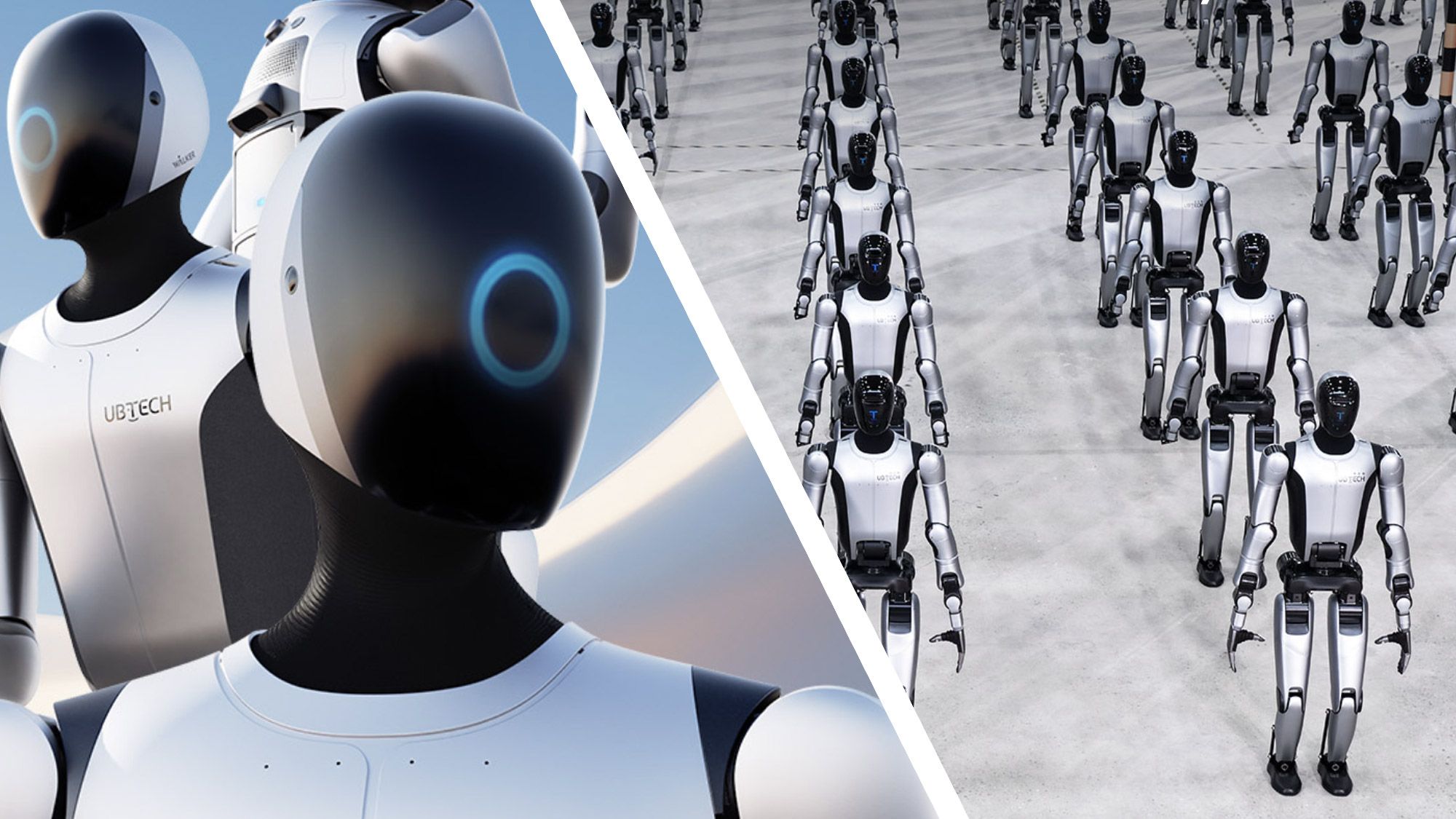
China’s UBTech opens world-first factory that builds a humanoid robot every ten minutes — 14,000 square meter plant will deliver army of 10,000 robots a year
THE SO WHAT
A plant capable of 10,000 humanoids a year means the bottleneck is shifting from hardware availability to integration, safety, and labor relations. Industrial operators should assume humanoids will be a real procurement option within planning horizons and start identifying tasks and unions most affected.
READ THE SOURCE
MORE FROM THE WIRE
 Robotics & Autonomy
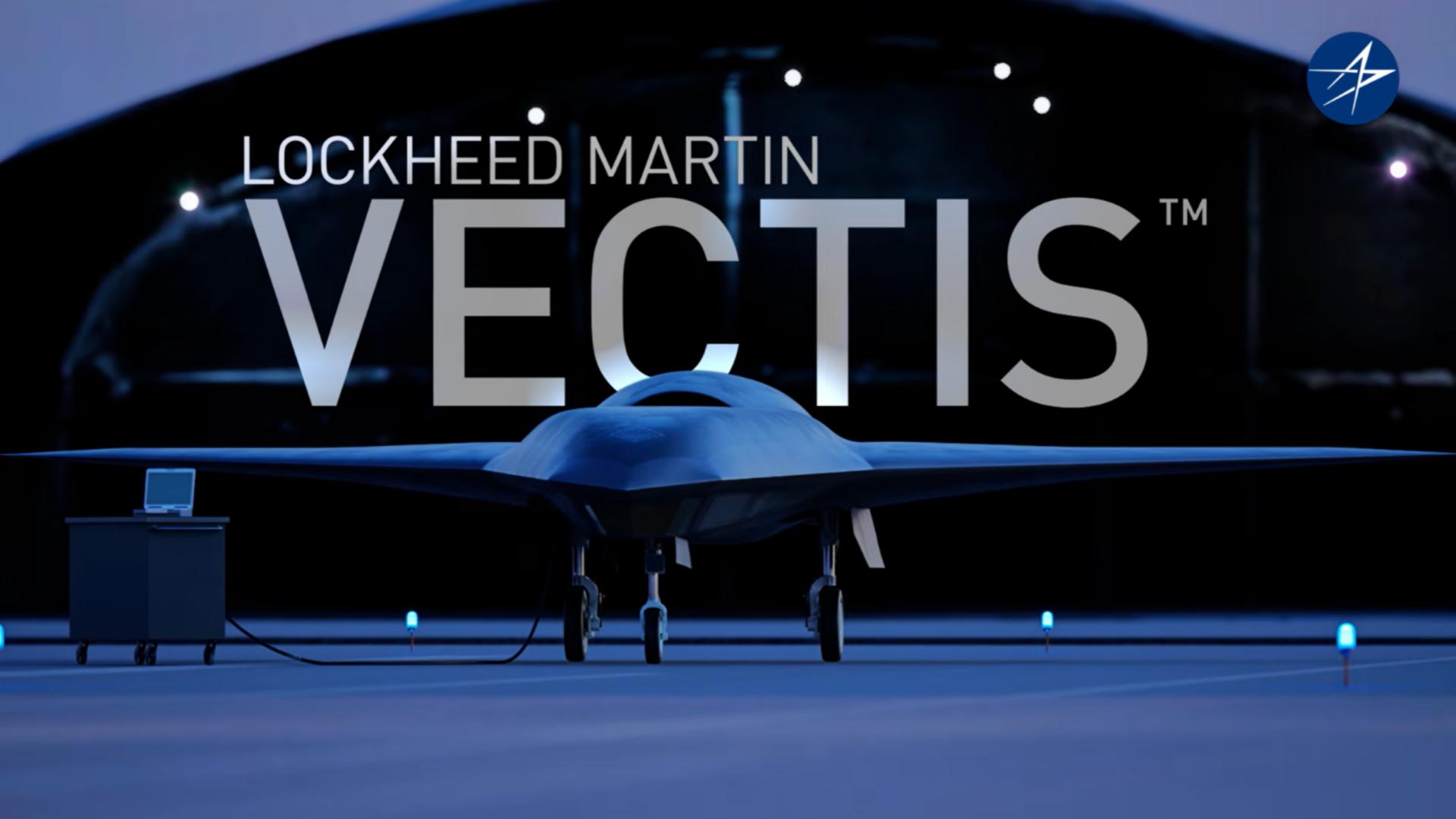
'Engineered for affordability': Lockheed Martin says Vectis stealth combat drone family will come before 2028 — promotion videos show two hidden missile bays
Cheap, stealthy, weapons-capable drones by 2028 push airpower economics toward attritable swarms, not just exquisite platforms. Defense and dual-use autonomy vendors should assume demand will skew to interoperable, lower-cost systems that can be fielded and replaced in volume.
 Robotics & Autonomy
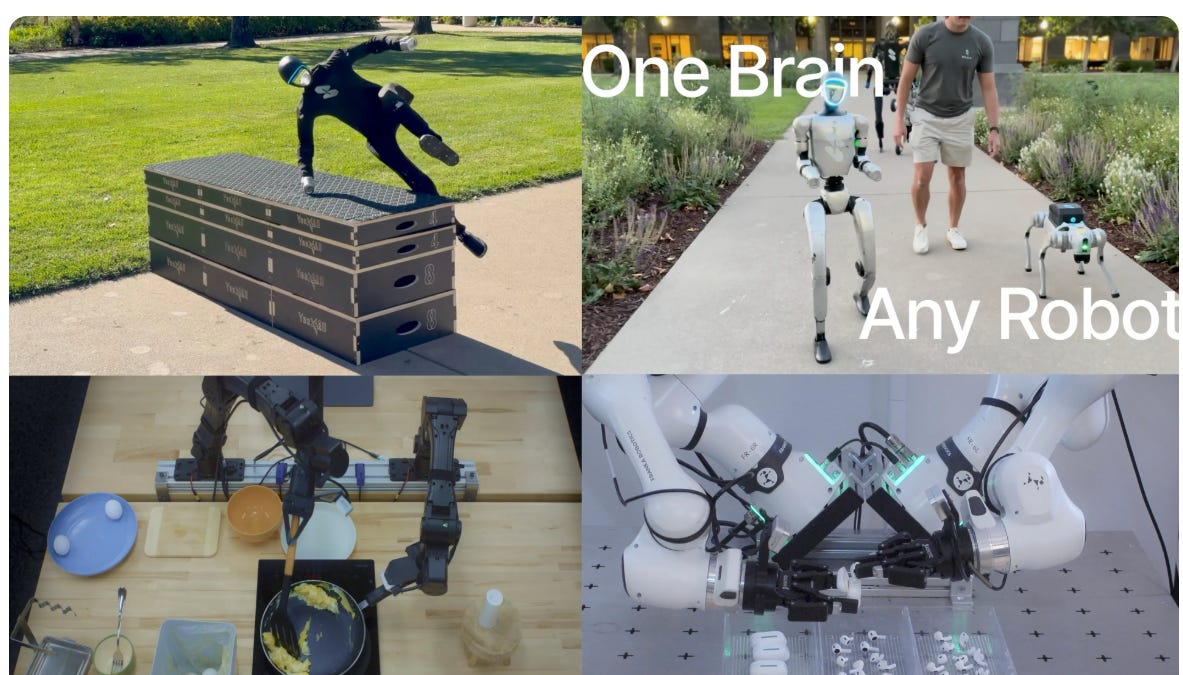
Visions of AI: GPT-3 Moment for Physical AI
If 2026 is a GPT‑3 moment for embodied AI, the constraint moves from perception to deployment economics and safety envelopes. Teams with repetitive physical workflows should start small pilots now to understand where current-generation robots actually clear the bar.
 Robotics & Autonomy
Air Force contemplates unmanned tankers
Autonomous very-large aircraft—like unmanned tankers—would normalize high-stakes autonomy in crowded, regulated airspace. Civil aviation and logistics players should track this closely, because military validation often lowers the barrier for large cargo and long-haul autonomy use cases.
 Robotics & Autonomy
Amazon-owned Zoox’s 100-robotaxi limit in Nevada is about to disappear
The end of Zoox’s 100-vehicle cap in Nevada turns Las Vegas into a real robotaxi scale test, not just a demo zone. Anyone in mobility, hospitality, or local logistics should assume AV density there will spike and start mapping second-order effects on traffic patterns, curb space, and customer expectations.