

Chinese company BrainCo unveils first 'brain-to-robot' interface for controlling robots with your thoughts
THE SO WHAT
Direct brain-to-robot control collapses the interface layer — the constraint shifts from motor skills to signal decoding and safety. Early signal for industrial and assistive robotics teams: start mapping where high-latency, high-friction controls are the real bottleneck, because BCI will eventually target those workflows.
READ THE SOURCE
MORE FROM THE WIRE
 Robotics & Autonomy
TechCrunch Mobility: The battle over robotaxi rules
Regulatory fights over robotaxis are now a gating factor for autonomy deployment, not a background risk. If your roadmap depends on AV logistics or mobility, treat local rulemaking and permitting capacity as hard constraints on where you can actually scale in the next 12–24 months.
 Robotics & Autonomy
How to avoid the teleoperation trap in robotics development
Heavy teleop dependence can mask the fact that you haven’t actually solved autonomy. If you’re piloting humanoids, budget explicitly for reinforcement learning and sim work now—or you’ll end up scaling human operators, not robots.
 Robotics & Autonomy
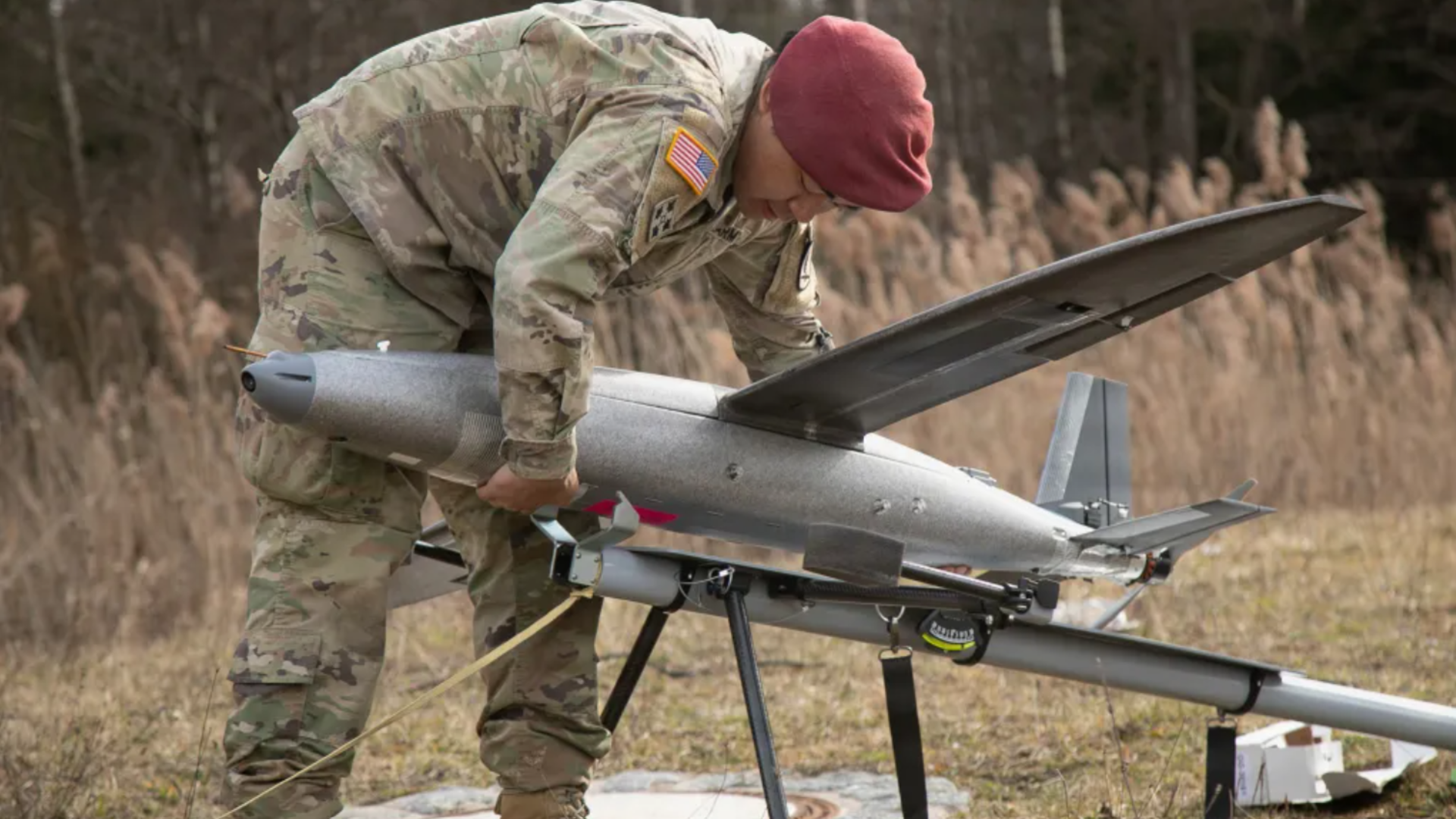
Ukraine confirms it will produce 10 million drones in 2026, rising to 20 million, as it signs a massive $1.1 billion 'drone deal' with the EU
Tens of millions of drones on wartime timelines means the drone supply chain—electronics, autonomy stacks, countermeasures—is being industrialized at scale. Civil operators should expect faster tech maturation but also tighter export controls and regulatory scrutiny around anything dual-use.
 Robotics & Autonomy
USAF's Autonomous AI fighter drone just fired a 'real' AMRAAM air-to-air missile in a world first
Autonomous weapons just moved from simulation to live-fire with an AMRAAM — procurement, export controls, and dual-use AI research will feel this. If you build advanced perception, planning, or control stacks, assume defense demand and scrutiny both increase from here.