
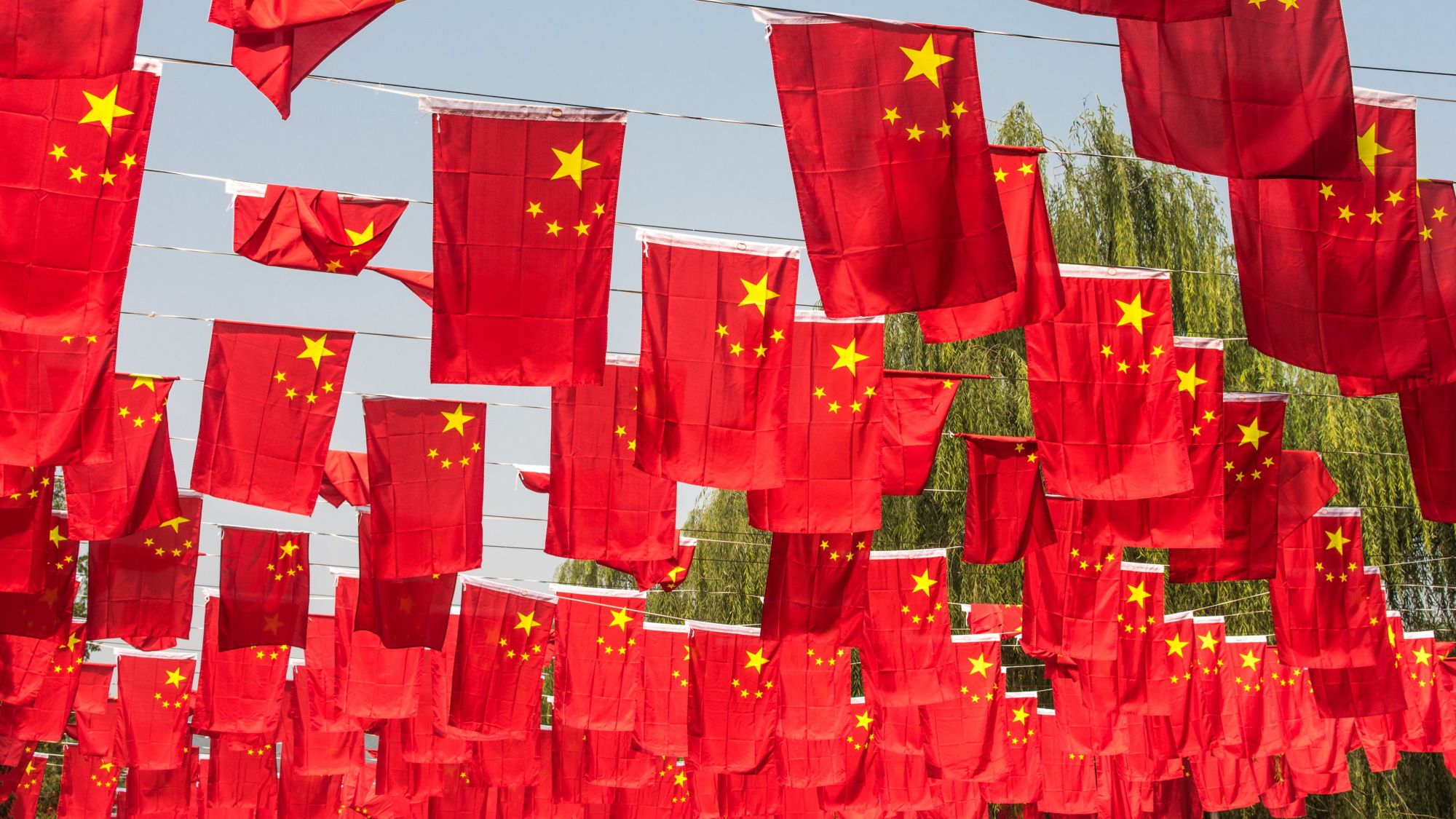
Chinese cybersecurity company 360 unveils “China's version of Mythos”, and Yitianzhen, to automate cyber defense
THE SO WHAT
360 launching a Mythos-style system and Yitianzhen to automate cyber defense—explicitly because “China cannot afford to wait” as Mythos finds more flaws—shows how quickly offensive AI tools are spawning defensive counterparts. Security teams should assume an AI-vs-AI dynamic: automate detection and response, or plan for asymmetric pressure from actors who do.
READ THE SOURCE
MORE FROM THE WIRE
 Applied AI
Trump Administration Asks OpenAI to Stagger Release of AI Model
Model release cadence is now a negotiated outcome with governments, not just a product decision. If your roadmap assumes immediate access to frontier capabilities, build contingency plans for staggered, gated, or jurisdiction-specific rollouts.
 Applied AI
OpenAI will delay GPT-5.6 after Trump administration request
Regulatory pressure is now directly shaping model launch timing and access tiers—GPT-5.6 moving to limited preview first is the new pattern. If your product depends on frontier models, architect for graceful degradation and vendor diversity rather than assuming day-one general availability.
Applied AIConsumer Side of AI Currently Underweighted, Says Mark Pincus
Mark Pincus is flagging the obvious gap: capital and talent are overweight infra and coding, underweight consumer experiences where AI is the main event. If you have distribution or brand in consumer, this is a window—ship real AI-native products before the infra players decide to own the end user.
 Applied AI
Building trust in AI health intelligence: why privacy, transparency, and human oversight matter
Healthcare AI is running into the hard constraints of privacy law, clinical accountability, and patient trust—accuracy alone won’t get you deployed. If you’re building in this space, design for audit trails, human-in-the-loop checkpoints, and clear data provenance from day one, not as add-ons.