
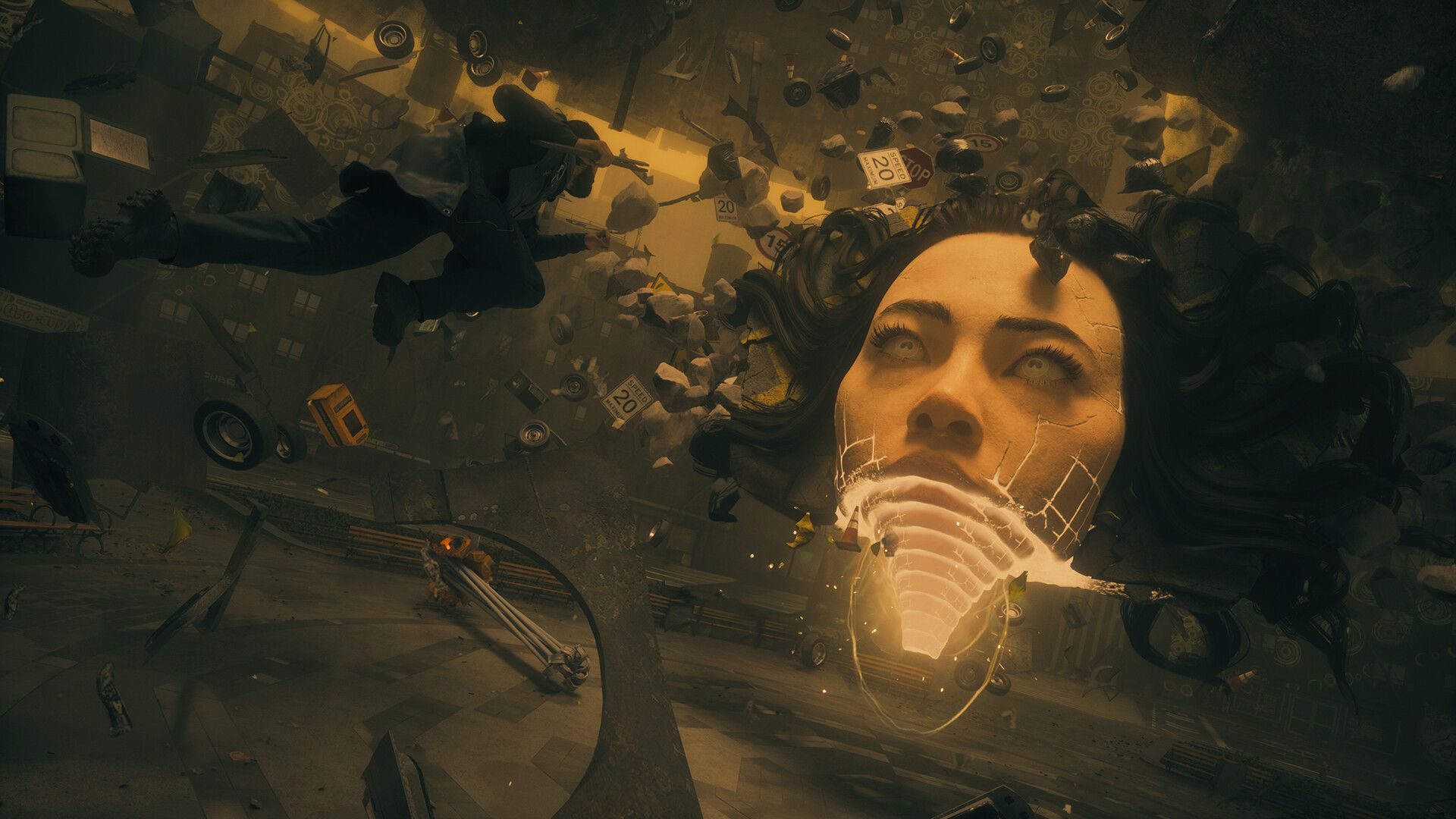
Control Resonant composer says studios should avoid 'AI music' and care more about the soundtrack if they 'value and respect your IP and your game' — 'Respect the client: the gamers, the fans, dammit'
THE SO WHAT
Pushback from high-profile composers frames AI music not just as a cost lever but as a brand and IP risk. Game and media studios experimenting with AI audio need an explicit stance on where human authorship is non-negotiable—or risk quiet boycotts from both talent and core fans.
READ THE SOURCE
MORE FROM THE WIRE
 Applied AI
Anthropic is setting up a "presidential engagement" program for the 2028 US elections that will offer AI policy education to candidates in both parties
Direct AI policy education for 2028 presidential candidates moves labs from behind-the-scenes briefings to structured political engagement. For operators, this raises the odds that concrete AI regulation will be on the ballot—and that compliance and lobbying become core capabilities, not afterthoughts.
 Applied AI
OpenAI Asia-Pacific Policy Head to Leave After Six Months in Job
Rapid turnover in a senior APAC policy role at OpenAI, just as regulators in the region ramp scrutiny, underlines how unsettled the rulebook still is. If you’re deploying frontier models in Asia-Pacific, do not assume US or EU policy patterns will map cleanly—treat each major market as its own regulatory program.
 Applied AI
Peter Thiel: You Know Who Else Wants to Regulate AI? The Antichrist
AI regulation is becoming a culture-war wedge, not just a policy debate. For operators, that means regulatory risk will be lumpy and state-by-state—treat AI governance as a political variable, not a purely technical one.
Applied AIPrincipal's Shah on AI Capex Cycle, Markets
Public markets are starting to treat AI capex as a multi-year structural cycle, not a short-lived bubble. If you're a buyer of AI infra or services, expect financing to remain available—but also expect investors to push you on utilization, not just headline spend.