
CoreWeave’s CEO says data center backlash isn't scaring off AI giants
THE SO WHAT
CoreWeave seeing “absolutely not” any reduction in orders despite data center backlash underscores how compute demand is decoupled from local political friction. If you depend on GPU capacity, treat permitting and community pushback as a location-selection variable — not a reason to expect demand to soften.
READ THE SOURCE
MORE FROM THE WIRE
 Deep & Emerging Tech
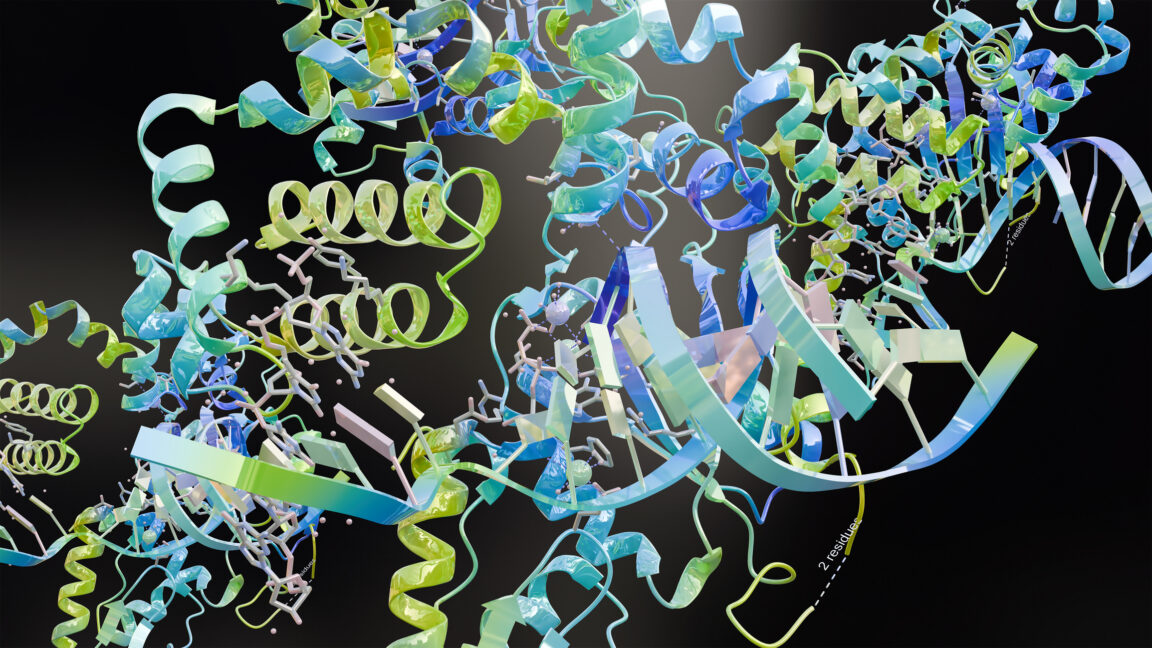
Google DeepMind introduces SynthID Bio, a family of watermarking methods for AI-designed proteins to help with biosecurity and scientific integrity
Watermarking AI-designed proteins is a concrete move toward traceability in bio — provenance is becoming a first-class control, not an afterthought. If you’re in computational biology or tooling, plan for “design origin” metadata to be a regulatory and customer requirement across your stack.
 Deep & Emerging Tech
Hackers host fake ChatGPT model on its official website — but really it's just malware
Attackers are now confident enough to piggyback on official AI brand surfaces with fake models and CAPTCHAs. If you distribute models or plugins, tighten your release channels and user education — “download this new model” is becoming the new “open this invoice PDF.”
 Deep & Emerging Tech
FedEx orders 2,000 electric trucks from Harbinger in $300M deal
A $300M, 2,000-vehicle order from FedEx is a demand signal that large fleets are ready to lock in EV capacity at scale, not just run pilots. If you’re in logistics or fleet-heavy operations, your procurement and depot-planning timelines for electrification just got pulled forward.
 Deep & Emerging Tech
Introducing SynthID Bio
DeepMind’s SynthID Bio is an early attempt to watermark AI-designed proteins without breaking function—provenance is moving from pixels to biology. If you’re in biotech or synbio, start planning for a world where regulators and partners expect cryptographic lineage on generated sequences, not just lab notebooks.